
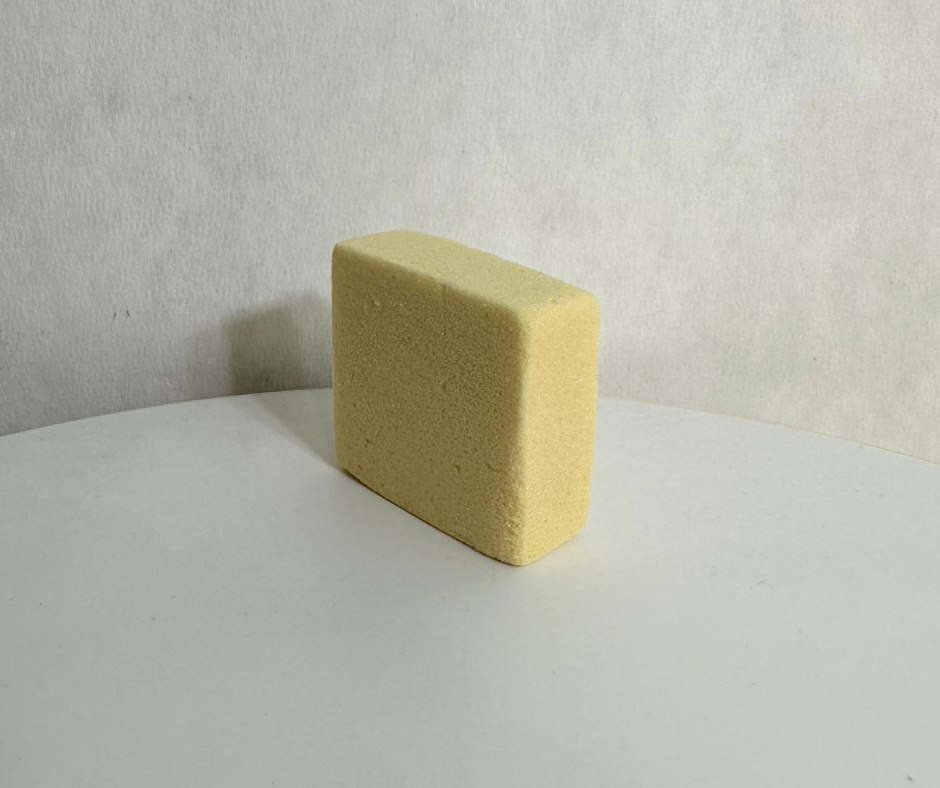
Polyurethane Foam Blocks: A Versatile Material for Modern Applications
Polyurethane (PU) foam blocks are lightweight, cellular materials made by reacting polyols with isocyanates and other ingredients. The resulting foam contains many small cells that give it useful properties such as cushioning, insulation and low weight. Supplied in large blocks or sheets, PU foam can be cut and shaped to suit a wide range of products and industrial needs.
Types of Polyurethane Foam Blocks
PU foam blocks are generally classified as flexible or rigid, although formulations can be adjusted to achieve different levels of softness, firmness, density and resilience.
- Flexible foam: Soft and compressible, it is commonly used for cushioning and comfort applications.
- Rigid foam: More firm and dimensionally stable, it is often selected for thermal insulation and protective applications.
- Specialised foam: Certain formulations are designed for properties such as higher load-bearing capacity, improved airflow, acoustic absorption or resistance to specific environmental conditions.
Foam characteristics vary according to the formulation and manufacturing process. Density alone does not determine suitability; factors such as firmness, cell structure, resilience and intended use should also be considered.
How Foam Blocks Are Made
During production, the foam ingredients are mixed and react to form a cellular structure. The expanding material is shaped into a large block and allowed to cure. Once cured, the block can be cut into sheets, slabs or custom shapes using suitable cutting equipment.
Manufacturers may control the formulation and processing conditions to achieve the required performance. Consistent quality depends on appropriate raw materials, process control, curing and safe handling practices.
Common Applications
Polyurethane foam blocks are used across many sectors because they can be converted into products with different shapes and properties. Common applications include:
- Furniture and bedding: Cushions, mattresses, upholstered seating and headboards.
- Automotive: Seating, interior padding and selected noise- or vibration-management components.
- Packaging: Protective inserts that help cushion products during storage and transport.
- Construction and insulation: Selected insulation and sealing applications, depending on the foam type and system used.
- Acoustic products: Panels and components designed to absorb sound in suitable settings.
- Industrial uses: Gaskets, supports, filters and shaped components for equipment and machinery.
- Healthcare and personal care: Cushions and support products made to meet the requirements of their intended use.
Key Benefits
PU foam blocks can be produced in a broad range of densities and firmness levels, making them adaptable to many designs. Their low weight can help reduce the overall weight of a product, while their cushioning properties can improve comfort and help protect delicate items. Rigid formulations can also provide useful thermal insulation, subject to the product design and installation conditions.
Because blocks can be cut and fabricated, they are convenient for manufacturers that need specific dimensions or shapes. The most suitable foam depends on the application: a material designed for seating, for example, may not be appropriate for insulation or packaging.
Choosing the Right Foam Block
When selecting a PU foam block, consider the conditions in which the finished product will be used. Important factors may include:
- Required firmness, resilience and load-bearing performance
- Foam density and cell structure
- Expected temperature, moisture and exposure conditions
- Required dimensions, tolerances and cutting method
- Applicable product standards, fire-safety requirements and end-use regulations
- Durability, maintenance and disposal considerations
It is advisable to request technical data and samples from the supplier, and to assess the foam in the finished product rather than relying on a single property in isolation.
Safe Handling and Sustainability
Finished, cured PU foam is commonly handled as a manufactured material, but cutting, sanding or machining can create dust. Appropriate extraction, housekeeping and personal protective equipment should be used in line with workplace safety guidance. The chemicals used to manufacture foam require specialised controls and should be handled only by trained personnel following supplier instructions and applicable regulations.
At the end of its useful life, PU foam can be challenging to recycle because it is often bonded to fabrics, adhesives or other materials. Reuse, material recovery and recycling options depend on the foam type and available local facilities. Product designers and buyers can support more responsible use by choosing the right amount of material, extending product life and checking available recovery options.
Conclusion
Polyurethane foam blocks are adaptable materials used in products ranging from furniture and vehicle interiors to packaging and industrial components. Their performance depends on the foam formulation, manufacturing quality and suitability for the intended application. Careful selection, safe processing and consideration of end-of-life options help users make the most of this versatile material.
7 Key Benefits of Polyurethane Foam Blocks
- Lightweight and easy to handle.
- Available in a wide range of densities and firmness levels.
- Can be cut into custom shapes and sizes.
- Provides effective cushioning and support.
- Offers useful thermal insulation in suitable applications.
- Helps protect products during storage and transport.
- Suitable for furniture, automotive, packaging and industrial uses.
6 Disadvantages of Polyurethane Foam Blocks
- Can be difficult to recycle.
- May release dust when cut or sanded.
- Some types are flammable unless treated.
- Can degrade with prolonged UV exposure.
- May lose resilience with heavy, repeated use.
- Quality and performance vary by formulation.
Lightweight and easy to handle.
Polyurethane foam blocks are lightweight, making them easier to lift, move, cut and install than many heavier materials. Their low weight can simplify handling during manufacturing and transport, reduce physical effort for workers and help keep the overall weight of finished products low. Despite being light, the blocks can be selected in different densities and firmness levels to suit the needs of the application.
Available in a wide range of densities and firmness levels.
Polyurethane foam blocks are available in a wide range of densities and firmness levels, making them easy to match to different applications. Softer grades can provide cushioning and comfort for furniture and bedding, while firmer, denser options can offer greater support for packaging, automotive components and industrial uses. This flexibility allows manufacturers to select foam that meets specific performance and design requirements.
Can be cut into custom shapes and sizes.
Polyurethane foam blocks can be cut into custom shapes and sizes to suit specific product designs and project requirements. They can be converted into sheets, strips, shaped inserts or components, helping manufacturers create a precise fit for applications such as furniture, packaging, vehicle interiors and industrial products. This flexibility can also reduce material waste when cutting is planned carefully.
Provides effective cushioning and support.
Polyurethane foam blocks provide effective cushioning and support by helping distribute pressure across a surface and absorb everyday impacts. Their firmness and resilience can be tailored to suit different needs, from soft, comfortable seating to firmer support in mattresses, packaging and industrial applications. When selected for the intended use, PU foam can help improve comfort while retaining its shape through repeated use.
Offers useful thermal insulation in suitable applications.
Polyurethane foam blocks can offer useful thermal insulation in suitable applications by slowing the transfer of heat through a product or structure. Their cellular structure helps reduce heat flow, which can support more comfortable indoor conditions and improve energy efficiency when the foam is correctly selected and installed. Performance depends on the foam type, thickness and conditions of use.
Helps protect products during storage and transport.
Polyurethane foam blocks help protect products during storage and transport by cushioning them against knocks, vibration and movement. They can be cut to fit around items of different shapes and sizes, helping keep products securely in place and reducing the risk of scratches, breakage or other damage. This makes them a useful choice for packaging delicate, valuable or irregularly shaped goods.
Suitable for furniture, automotive, packaging and industrial uses.
Polyurethane foam blocks are versatile and can be cut and shaped to suit a wide range of requirements. This makes them useful in furniture for cushions and mattresses, in automotive interiors for seating and padding, in packaging for protecting goods during transport, and in industrial applications such as supports, seals and protective components.
Can be difficult to recycle.
Polyurethane foam blocks can be difficult to recycle because the material is often bonded to fabrics, adhesives or other components, making separation challenging. Recycling options also depend on the foam type and the facilities available locally. As a result, some foam may end up in landfill, so choosing durable products, reusing offcuts where practical and checking local recovery options can help reduce waste.
May release dust when cut or sanded.
When polyurethane foam blocks are cut or sanded, they may release fine dust that can irritate the eyes, skin or respiratory system. Use appropriate dust extraction, keep the work area clean and wear suitable protective equipment, such as safety glasses and a properly fitted mask, in accordance with workplace guidance.
Some types are flammable unless treated.
Some types of polyurethane foam blocks can catch fire and may contribute to the spread of flames if they are not treated with suitable flame-retardant additives or protected by an appropriate covering. Their fire performance varies with the formulation, product design and conditions of use, so buyers should check relevant test data and ensure the foam meets applicable fire-safety requirements for its intended application.
Can degrade with prolonged UV exposure.
One limitation of polyurethane foam blocks is that prolonged exposure to ultraviolet (UV) radiation from sunlight can cause the material to deteriorate. Over time, this may lead to discolouration, a brittle surface or reduced performance, particularly when the foam is left uncovered outdoors. Where UV exposure is expected, protect the foam with a suitable coating, cover or facing material, and check that the product is designed for the intended conditions.
May lose resilience with heavy, repeated use.
Polyurethane foam blocks may gradually lose resilience when subjected to heavy, repeated use. Over time, constant compression can reduce their ability to return to their original shape, leading to sagging, reduced support or a less comfortable feel. The rate of wear depends on the foam’s formulation and quality, as well as the load and frequency of use. Choosing foam suited to the intended application and following the supplier’s guidance can help manage this limitation.
Quality and performance vary by formulation.
The quality and performance of polyurethane foam blocks can vary considerably depending on their formulation and manufacturing process. Differences in density, firmness, cell structure and additives may affect comfort, durability, insulation and load-bearing capacity. As a result, foam blocks that look similar may perform differently in use, so it is important to check technical specifications and choose a grade suited to the intended application.