
Urethane Paint Price in India: What Affects the Cost?
Urethane paint is valued for its durability, smooth finish and resistance to abrasion, moisture and chemicals. It is used on cars, furniture, floors, machinery and other surfaces. The price can vary considerably because “urethane paint” covers several products, from single-component coatings to two-component polyurethane systems.
As a broad guide, retail prices may range from around ₹500 to ₹3,000 or more per litre for many urethane and PU paint products. Specialist industrial coatings and premium automotive systems can cost more. These are indicative ranges, not current quotations; prices vary by brand, pack size, finish and location.
Typical Indicative Price Ranges
| Product type | Indicative price | Common use |
|---|---|---|
| Single-component urethane or PU paint | ₹500–₹1,500 per litre | General-purpose coating and smaller projects |
| Two-component PU paint kit | ₹1,000–₹3,500 or more per litre-equivalent | Automotive, furniture and durable surface finishes |
| Industrial PU coating | ₹250–₹700 or more per kg | Floors, equipment and industrial structures |
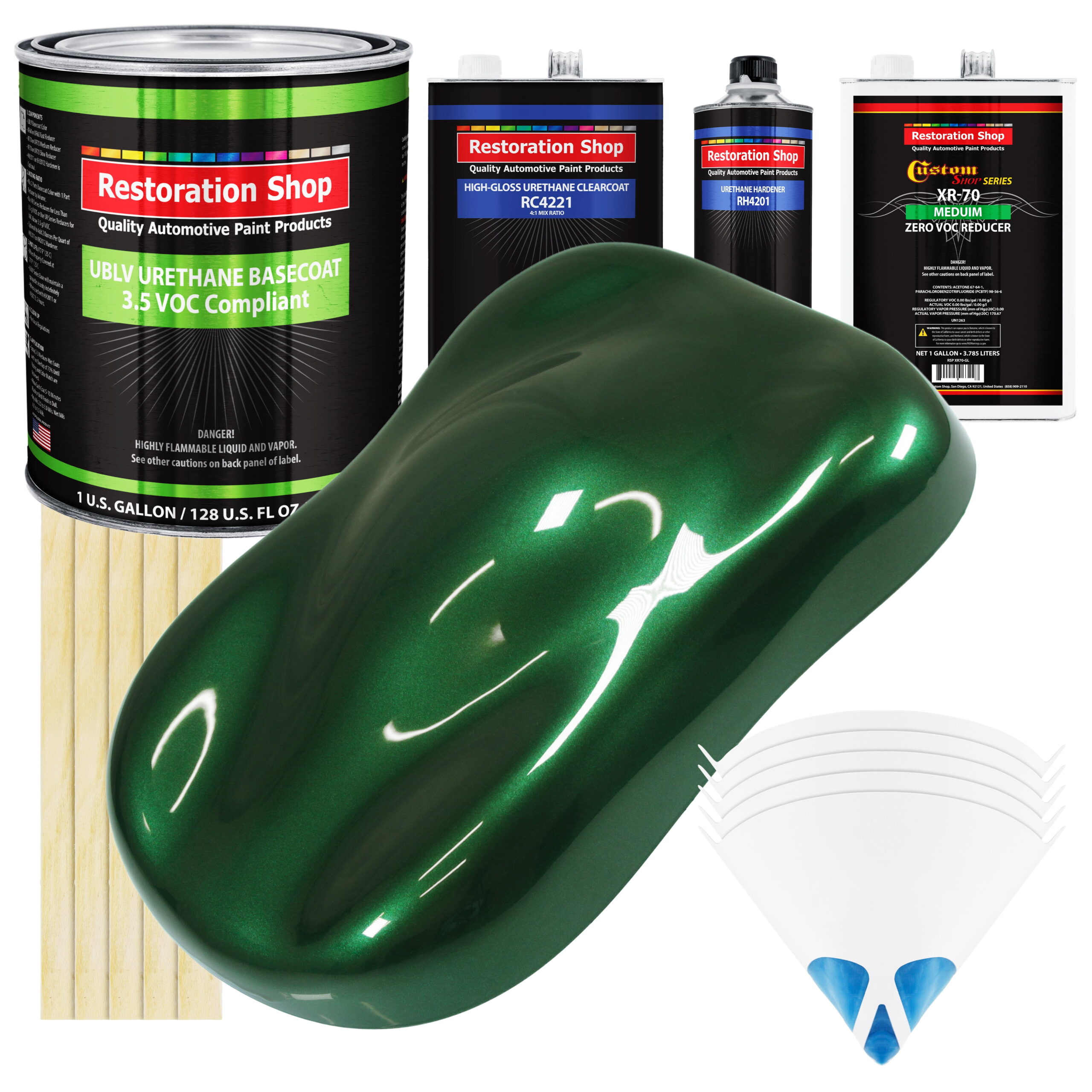
Two-component products are commonly supplied with a hardener, and sometimes a thinner. Check whether the quoted price covers the complete kit or only the paint. Pack sizes and the way products are sold differ between manufacturers, so compare the cost per litre or kilogram on a like-for-like basis.
Factors That Influence Urethane Paint Price
- Paint formulation: Single-component products are generally simpler to use, while two-component systems often offer greater durability and require a separate hardener.
- Application: Automotive topcoats, wood finishes, floor coatings and chemical-resistant industrial paints have different performance requirements.
- Brand and quality: Established brands and specialist products may cost more, particularly where colour consistency, weather resistance or technical support is important.
- Finish and colour: Gloss, satin and matte finishes may be priced differently. Custom colours and metallic shades can add to the cost.
- Coverage: Coverage depends on the surface, application method, number of coats and product solids. A lower-priced paint may not be the more economical choice if it needs extra coats.
- Preparation materials: Primer, thinner, hardener, sanding materials and cleaning products may need to be purchased separately.
- Taxes and delivery: Confirm whether GST, transport and any dealer charges are included in the final quote.
How to Estimate the Total Cost
Start by measuring the surface area and checking the manufacturer’s stated coverage. Divide the area by the coverage per litre to estimate the paint required for one coat, then allow for the recommended number of coats and some wastage. Porous, uneven or previously damaged surfaces may need more material and additional preparation.
For a two-component system, follow the specified mixing ratio. Do not calculate the cost from the paint component alone if a hardener is essential. For larger jobs, also include labour, surface preparation, primer, equipment and any curing or downtime costs.
Choosing the Right Product
Before buying, confirm that the coating is suitable for the surface and its intended environment. A product for furniture may not be appropriate for a vehicle or an industrial floor. Ask the supplier for the technical data sheet, recommended primer, mixing instructions, coverage, drying time and resistance properties.
Compare complete system costs rather than relying only on the price printed on the tin. A correctly specified coating, applied to a properly prepared surface, can provide better value over its service life than a cheaper product that needs frequent repair or recoating.
Safety and Application
Some urethane and two-component PU paints contain hazardous chemicals, and spraying can create harmful vapours or mist. Read the product label and safety data sheet, use the recommended protective equipment, and ensure suitable ventilation. For spray application or large projects, use a trained professional with appropriate safety controls.
Conclusion
Urethane paint prices in India depend on the formulation, application, brand, pack size and accessories included. As a starting point, many products fall within an indicative range of ₹500 to ₹3,000 or more per litre, while specialist coatings may be priced differently. Request a written quotation for the complete system and compare its coverage, performance and application requirements before making a decision.
9 Advantages of Urethane Paint Pricing: Long-Term Value for Every Budget
- Durable finish can offer long-term value.
- Strong coverage may reduce repeat coats.
- Many price points suit different budgets.
- Bulk packs can lower the cost per litre.
- Long-lasting colour may reduce repainting costs.
- Low maintenance can save money over time.
- Options are available for varied applications.
- Comparing brands helps find better value.
- Complete kits make costs easier to estimate.
7 Cost Drawbacks of Urethane Paint in India
- Premium urethane paints can be expensive.
- Hardener may cost extra.
- Primer and thinner may not be included.
- Small packs often cost more per litre.
- Professional application adds to the total cost.
- Specialist colours can increase the price.
- Prices vary by brand and location.
Durable finish can offer long-term value.
Although urethane paint may cost more upfront than some conventional paints, its durable finish can offer long-term value. It resists wear, scratches and weathering, helping surfaces stay protected and look good for longer. This can reduce the need for frequent repainting, repairs and maintenance, making the overall cost more economical over time.
Strong coverage may reduce repeat coats.
Strong coverage can make urethane paint more economical over the full project, even if its initial price is higher. When a product spreads evenly and covers the surface well, fewer repeat coats may be needed, saving paint, labour and application time. Actual coverage depends on the surface condition, preparation and application method, so check the product’s technical data sheet before estimating quantities.
Many price points suit different budgets.
Urethane paint is available at a range of price points, making it easier to find an option that suits different budgets and project needs. Standard products may work well for smaller or less demanding jobs, while premium formulations can offer added durability or specialised performance. Comparing coverage, finish and the full cost of the paint system—not just the price per litre—can help buyers choose an option that offers good value.
Bulk packs can lower the cost per litre.
Buying urethane paint in bulk packs can reduce the cost per litre compared with purchasing several smaller tins, making it a cost-effective option for large projects or regular use. Before ordering, check the pack size, shelf life and storage requirements, and confirm that the paint and any required hardener or thinner are included in the quoted price.
Long-lasting colour may reduce repainting costs.
Urethane paint can retain its colour and finish for longer when correctly applied, helping surfaces look fresh despite regular use and exposure to the elements. This durability may mean fewer repainting jobs over time, reducing spending on paint, labour and surface preparation. While the initial price can be higher than some alternatives, the potential savings from less frequent repainting can make it a cost-effective choice in the long run.
Low maintenance can save money over time.
Although urethane paint may cost more upfront than some alternatives, its durable, hard-wearing finish can need less frequent repainting and fewer touch-ups. This low maintenance can save money over time by reducing spending on paint, labour and surface repairs, especially in areas exposed to regular use, weather or moisture. Actual savings depend on the product, surface preparation and application quality.
Options are available for varied applications.
Urethane paint is available in a range of formulations and price points, making it easier to find an option for different applications and budgets. From cost-effective coatings for general use to premium products for automotive, furniture or industrial surfaces, buyers can choose a paint with the performance and finish suited to their project.
Comparing brands helps find better value.
Comparing urethane paint brands can help you find better value for money. Look beyond the price per litre and check coverage, durability, finish, and whether primer, hardener or thinner is included. A slightly higher-priced product may prove more economical if it covers a larger area or lasts longer, while comparing like-for-like products helps you choose one that suits your project and budget.
Complete kits make costs easier to estimate.
Complete urethane paint kits, which may include the paint, hardener and thinner, make project costs easier to estimate. Since the essential components are priced together, it is simpler to compare suppliers, calculate the quantity required and prepare a budget. Always check what the kit contains and whether primers, application tools or delivery charges are priced separately.
Premium urethane paints can be expensive.
One drawback of urethane paint is its high upfront cost, particularly for premium products. The paint itself can be expensive, and the total project cost may rise further when a compatible primer, hardener or thinner, surface preparation and professional application are required. For large areas or tight budgets, this initial expense can make urethane paint less accessible than some alternative coatings.
Hardener may cost extra.
The quoted price of urethane paint may not include the hardener required for application, particularly for two-component systems. This adds to the overall cost and can make comparisons between brands misleading if one price covers the complete kit while another covers only the paint. Check the pack details and mixing ratio before buying, and include the cost of the hardener when estimating your project budget.
Primer and thinner may not be included.
One drawback when comparing urethane paint prices is that the quoted cost may cover only the paint, not the primer and thinner required for application. These extra products can increase the overall project budget, so check what is included in the pack and ask for the total cost of the complete coating system before buying.
Small packs often cost more per litre.
Small packs of urethane paint often cost more per litre than larger containers, making them a less economical choice for bigger projects. This higher unit price can add up quickly if several small tins are needed. Before buying, compare the cost per litre and estimate how much paint the job requires, while avoiding excess paint that may go unused.
Professional application adds to the total cost.
Professional application can significantly increase the total cost of urethane paint. The coating may require careful surface preparation, precise mixing and specialist spraying equipment, so labour charges can be higher than for simpler paints. For two-component systems, trained applicators may also be needed to handle the hardener safely and achieve an even, durable finish. When budgeting, include labour, preparation and equipment costs alongside the price of the paint.
Specialist colours can increase the price.
Specialist colours can increase the price of urethane paint, particularly when they require custom mixing, metallic or pearlescent pigments, or a small production batch. Availability may also be limited, leading to longer wait times or additional charges. Ask the supplier for a quote that includes any colour-matching fees and confirm that enough paint can be supplied for the entire project, as matching the shade later may be difficult and costly.
Prices vary by brand and location.
Urethane paint prices can vary considerably by brand and location, making it difficult to compare options at a glance. Different manufacturers may offer products with varying formulations, pack sizes and performance features, while local availability, transport costs and dealer pricing can affect the final amount. It is helpful to compare the cost per litre or kilogram and check whether the quote includes the hardener, thinner, GST and delivery.