
TPU Resin: Properties, Applications and Processing
Thermoplastic polyurethane (TPU) resin is a versatile polymer valued for its combination of flexibility, toughness and abrasion resistance. It is used in products ranging from footwear and automotive components to cables, films and medical devices. Its range of grades and processing options makes TPU a useful material for applications that need both durability and elasticity.
What is TPU resin?
TPU is a thermoplastic elastomer made by combining polyurethane chemistry with thermoplastic processing characteristics. Unlike many conventional rubber materials, TPU can generally be softened by heat and shaped using processes such as injection moulding and extrusion. It can also be reheated and reprocessed, subject to the grade, product design and processing history.
TPU is commonly described by its hardness, often measured on the Shore A or Shore D scales. Softer grades feel more flexible, while harder grades offer greater rigidity. Formulations can also be selected for specific properties, such as resistance to oils, hydrolysis, weathering or low temperatures.
Key properties of TPU
- Elasticity and flexibility: TPU can stretch and recover its shape, making it suitable for flexible parts and protective coverings.
- Abrasion and wear resistance: Many grades withstand repeated rubbing and mechanical contact, which is useful in footwear, wheels and industrial components.
- Toughness: TPU can offer good resistance to impact and tearing, depending on the formulation and conditions of use.
- Resistance to oils and chemicals: Certain grades perform well when exposed to oils, greases and selected chemicals. Compatibility should be checked for each application.
- Broad processing options: TPU is used in injection moulding, extrusion, blow moulding, calendering and, for suitable grades, additive manufacturing.
- Design flexibility: Its range of hardness levels, colours and formulations allows manufacturers to tailor material performance to a product’s needs.
These properties vary between grades. Performance can also be affected by temperature, exposure to moisture, chemical contact, part design and manufacturing conditions. It is therefore important to consult the supplier’s technical data and test the material in its intended application.
Common applications
Footwear and sporting goods
TPU is used in shoe soles, protective elements and components that need flexibility and resistance to wear. It is also found in sports equipment and accessories where a combination of grip, resilience and durability is required.
Automotive and transport
Depending on the grade, TPU can be used in protective films, seals, hoses, cable jackets and interior or exterior components. The selected material must meet relevant performance requirements, including temperature, weathering and chemical exposure.
Industrial products
Industrial applications include rollers, wheels, belts, seals, gaskets, hoses and abrasion-resistant coatings. TPU’s durability and flexibility can make it suitable for parts exposed to repeated movement or contact.
Electrical and electronics
TPU is used as insulation and jacketing for some wires and cables. Its flexibility and resistance to abrasion can be beneficial, although electrical and fire-performance requirements must be verified for the specific application.
Films, sheets and consumer products
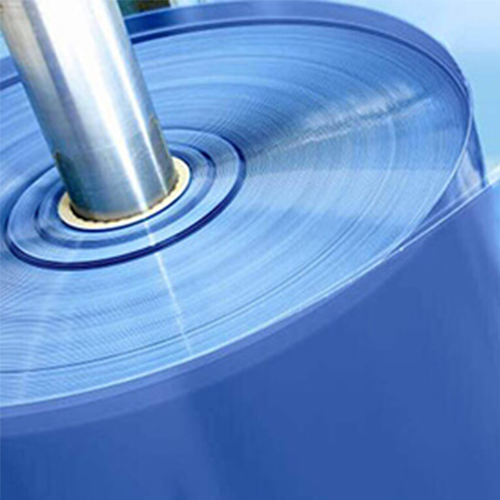
TPU films and sheets are used in protective laminates, inflatable products, flexible covers and other goods. The material can also be found in phone cases, bags and components for wearable products.
Medical applications
Specially formulated TPU grades may be used in selected medical products, such as tubing and device components. Medical suitability depends on the grade, manufacturing controls and applicable regulatory requirements; not every TPU is suitable for medical use.
How TPU is processed
TPU can be processed using several thermoplastic manufacturing methods. Injection moulding is commonly used for shaped components, while extrusion produces items such as tubing, profiles and films. Some grades are also suitable for blow moulding or 3D printing.
Moisture control is an important part of processing. TPU can absorb moisture from the air, and excess moisture may affect appearance or material performance during melting. Many grades therefore require drying before processing. Recommended drying temperatures, times and processing conditions vary, so manufacturers should follow the supplier’s technical guidance.
Regrind and recycled material may be usable in some production settings, but repeated heat exposure can affect properties. Trials and quality checks help establish whether reprocessed material is suitable for the intended product.
Choosing the right TPU grade
Material selection should begin with the product’s operating conditions and performance requirements. Useful questions include:
- How flexible or hard does the part need to be?
- Will it face abrasion, impact, repeated bending or tearing?
- Will it be exposed to oils, chemicals, water, heat, sunlight or cold?
- Which manufacturing process will be used?
- Are there colour, transparency, food-contact, electrical or regulatory requirements?
- What service life and maintenance conditions are expected?
Comparing technical data sheets is a useful first step, but testing finished parts under realistic conditions is essential for demanding applications.
TPU and sustainability
TPU’s thermoplastic nature can offer opportunities for manufacturing efficiency and, in some cases, recycling. However, recyclability depends on the product’s design, additives, colour, contamination and the availability of suitable collection and processing systems. A product made from TPU is not automatically recyclable in every local waste stream.
Some TPU formulations may use renewable or recycled feedstocks, but the environmental profile depends on the specific product and its supply chain. Claims about recycled content, bio-based content or end-of-life benefits should be checked against reliable product documentation.
Conclusion
TPU resin is a adaptable material that combines elastic behaviour with the processing advantages of a thermoplastic. Its resistance to wear, flexibility and broad range of grades make it useful across many industries. Selecting the right formulation, controlling moisture during processing and validating performance in the final application are key to achieving reliable results.
TPU Resin FAQs: Properties, Benefits, Applications, Processing and Recyclability
- What is TPU resin, and how is it different from traditional rubber?
- What are the main properties and benefits of TPU resin?
- What products and industries commonly use TPU resin?
- How is TPU resin processed, and does it need to be dried before use?
- Is TPU resin recyclable, and what factors affect its recyclability?
What is TPU resin, and how is it different from traditional rubber?
TPU resin, or thermoplastic polyurethane, is a flexible, durable polymer that can be softened with heat and shaped using processes such as moulding and extrusion. Unlike traditional rubber, which is usually vulcanised to form a permanent structure, TPU can generally be reheated and reprocessed, depending on its grade and processing history. TPU also combines rubber-like elasticity with strong abrasion and tear resistance, making it useful in products such as footwear, cables and protective components. Traditional rubber may be preferred for certain applications requiring specific heat resistance or long-term elastic performance, so the right material depends on the product’s operating conditions.
What are the main properties and benefits of TPU resin?
TPU (thermoplastic polyurethane) resin combines flexibility and elasticity with toughness, making it suitable for products that need to bend or stretch while retaining their shape. Its key benefits often include good abrasion, tear and impact resistance, along with resistance to oils and greases in selected grades. TPU is available in a wide range of hardness levels and can be processed using methods such as injection moulding and extrusion. As properties vary by formulation, the right grade should be chosen according to the product’s operating conditions and tested for its intended use.
What products and industries commonly use TPU resin?
TPU resin is used in a wide range of products that need flexibility, durability and resistance to wear. Common examples include footwear soles, phone cases, protective films, hoses, seals, wheels, cable jackets, sports equipment and automotive components. It is also used in industrial machinery, consumer goods, electronics and selected medical devices, with the grade chosen to suit the product’s performance and regulatory requirements.
How is TPU resin processed, and does it need to be dried before use?
TPU resin can be processed by injection moulding, extrusion, blow moulding and, for suitable grades, 3D printing. It generally needs to be dried before use because it can absorb moisture from the air; excess moisture during processing may cause bubbles, surface defects or reduced material performance. Drying requirements vary by grade, so follow the resin supplier’s recommended temperature, time and handling instructions.
Is TPU resin recyclable, and what factors affect its recyclability?
Yes, TPU resin can often be recycled because it is a thermoplastic, but recyclability depends on the grade, product design and local recycling facilities. Clean, single-material TPU is generally easier to recycle than products containing mixed plastics, fabric, adhesives, coatings or metal components. Contamination, colour, additives and the material’s processing history can also affect the quality of recycled TPU. Check the manufacturer’s guidance and local waste-management options, as acceptance varies by location.