
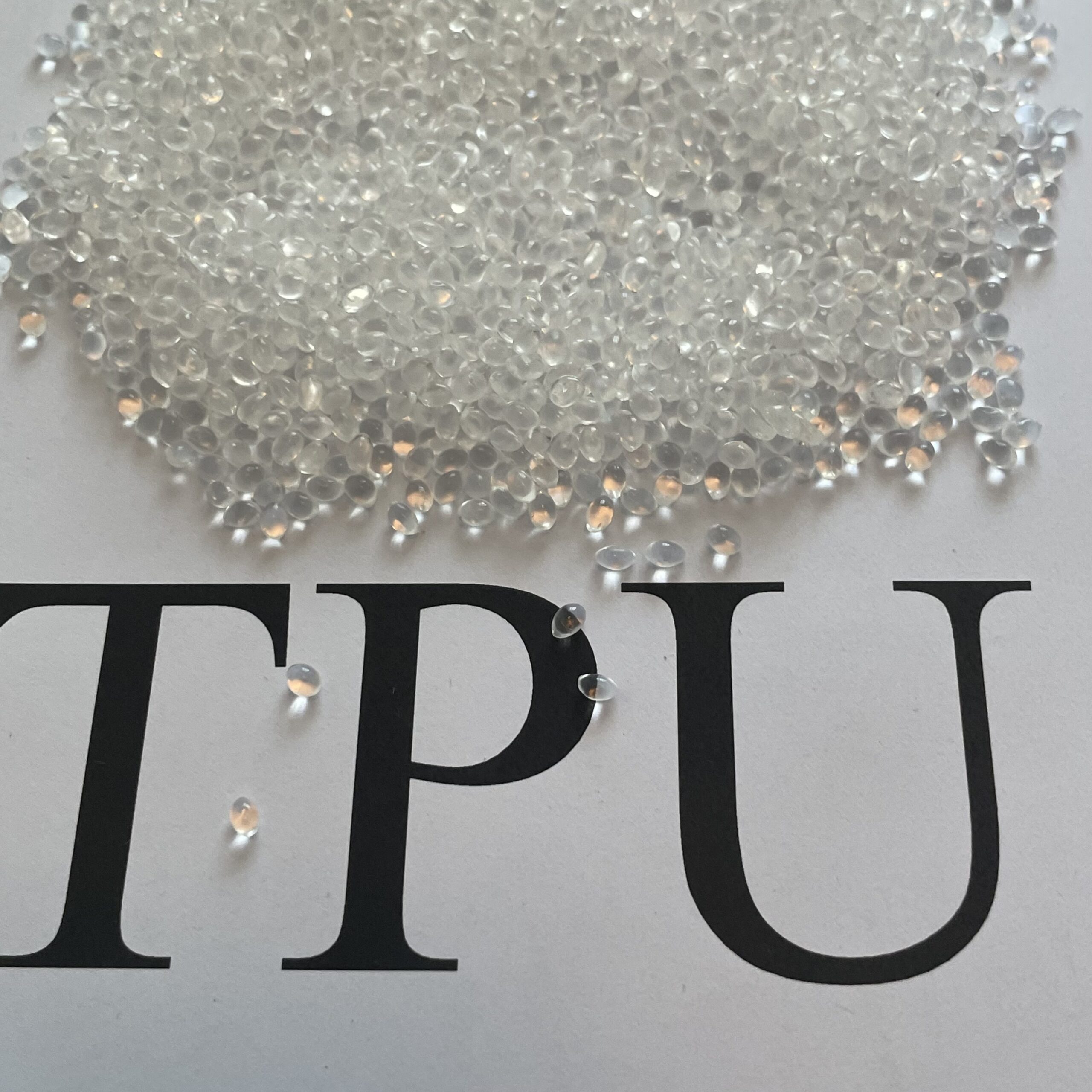
Thermoplastic Polyurethane Price per kg in India
The price of thermoplastic polyurethane (TPU) per kg in India varies according to its grade, formulation, supplier and order quantity. As a broad, indicative guide, standard TPU resin may cost around ₹250–₹600 per kg. Specialised grades—such as medical, flame-retardant, high-transparency or high-performance TPU—can cost more.
These figures are general estimates, not live quotations. Actual prices can change with raw-material costs, import expenses, exchange rates and market conditions. Confirm the current price with suppliers before budgeting or placing an order.
What affects the price of TPU?
- Grade and formulation: Different TPU grades are designed for specific levels of flexibility, hardness, abrasion resistance, transparency or chemical resistance. Additives and specialised formulations can raise the price.
- Hardness: TPU is available in different hardness levels, often measured on the Shore scale. The required grade depends on the product and processing method.
- Quantity: Bulk orders may attract lower per-kg prices than small lots. Minimum order quantities can also apply.
- Origin and brand: Imported or branded materials may cost more because of freight, duties, currency movements and distribution costs.
- Supply and demand: Changes in feedstock prices, availability and transport costs can affect market rates.
- Taxes and delivery: A quoted price may exclude GST, freight, packaging or other charges. Check what the quote includes.
Typical applications and grade choices
TPU is used in footwear, cables, films, hoses, automotive components, mobile accessories, industrial parts and 3D-printing filament. A footwear application, for example, may need a different balance of flexibility and abrasion resistance from a cable jacket or a medical component. Choosing a grade based only on its price per kg may lead to processing difficulties or a product that does not meet performance requirements.
How to compare supplier quotations
When requesting a quote, provide the intended application, required hardness, colour, processing method and estimated order volume. Ask suppliers to specify the grade and technical data, whether the material is virgin or recycled, the packaging size, lead time, minimum order quantity and payment terms. Also confirm whether the quoted rate includes GST and delivery.
For a fair comparison, assess the material’s performance and consistency alongside its price. A lower-cost grade may not offer the same processing behaviour or service life as a higher-specification alternative.
In summary
For planning purposes, standard TPU resin in India may fall broadly within the range of ₹250–₹600 per kg, while specialised grades can be higher. Because prices depend on the exact specification, order size and supplier terms, request a current quotation for the grade that suits your application.
5 Key Benefits of Understanding Thermoplastic Polyurethane Price per Kg
- Helps compare supplier quotations.
- Supports accurate project budgeting.
- Bulk orders may reduce the per-kg cost.
- Different grades suit varied applications.
- Price checks help track market changes.
5 Drawbacks of Thermoplastic Polyurethane Pricing per kg in India
- Prices vary widely by grade and supplier.
- Specialised grades can be costly.
- Small orders may have higher per-kg rates.
- GST and delivery may be extra.
- Market and import costs can change prices.
Helps compare supplier quotations.
Knowing the thermoplastic polyurethane price per kg helps you compare supplier quotations on a like-for-like basis. Check that each quote covers the same grade, hardness, order quantity and delivery terms, and confirm whether GST and freight are included. This makes it easier to assess the true cost and choose a supplier that offers suitable material and value for money.
Supports accurate project budgeting.
Knowing the thermoplastic polyurethane (TPU) price per kg helps businesses estimate material costs more accurately and plan project budgets with confidence. By comparing current supplier quotations and considering the required grade, order quantity, GST and delivery charges, buyers can forecast expenses, assess alternatives and reduce the risk of unexpected costs during production.
Bulk orders may reduce the per-kg cost.
Buying thermoplastic polyurethane (TPU) in bulk can reduce the price per kg, as suppliers may offer volume discounts and the costs of handling and transport can be spread across a larger order. The savings depend on the grade, quantity and supplier terms, so compare quotations and check minimum order requirements, GST and delivery charges before placing an order.
Different grades suit varied applications.
Different grades of thermoplastic polyurethane (TPU) are available to suit a wide range of applications, from flexible footwear and protective films to durable cables, hoses and automotive components. This variety lets buyers select the properties they need—such as hardness, flexibility, abrasion resistance or transparency—rather than paying for a one-size-fits-all material. As a result, the price per kg can be matched more closely to the application’s performance and budget requirements.
Price checks help track market changes.
Checking the thermoplastic polyurethane (TPU) price per kg regularly helps buyers track market changes and understand how factors such as raw material costs, availability and transport expenses affect pricing. Comparing recent quotations can support better budgeting, help identify suitable times to place bulk orders and make it easier to spot unusually high or low offers.
Prices vary widely by grade and supplier.
The price of thermoplastic polyurethane (TPU) per kg can vary widely depending on its grade, formulation and supplier. Specialised grades with properties such as greater flexibility, abrasion resistance or heat tolerance may cost more than standard grades, while order quantity, brand and delivery terms can also affect the final rate. Comparing quotations can therefore be difficult unless the material specifications and pricing terms are clearly matched.
Specialised grades can be costly.
Specialised thermoplastic polyurethane (TPU) grades can be costly, with medical, flame-retardant, high-transparency and other performance-specific formulations often priced above standard grades. Their higher cost may increase overall production expenses, particularly when large volumes are required. Buyers should compare suppliers and confirm that the grade’s features are necessary for the intended application.
Small orders may have higher per-kg rates.
Small orders of thermoplastic polyurethane (TPU) may have a higher price per kg than bulk purchases. Suppliers often incur similar costs for packing, handling, processing and delivery regardless of order size, so these expenses are spread across fewer kilograms. Minimum order quantities and limited availability of smaller packs can also affect the rate. Buyers should compare the total cost, including freight and taxes, and request quotes for different quantities to find the most suitable option.
GST and delivery may be extra.
One drawback when comparing thermoplastic polyurethane prices per kg is that the quoted rate may not include GST or delivery charges. These additional costs can increase the final purchase price, particularly for small orders or deliveries over long distances. Check whether the supplier’s quotation includes taxes, freight and other fees before comparing prices or setting your budget.
Market and import costs can change prices.
The price of thermoplastic polyurethane (TPU) per kg can fluctuate as market conditions and import costs change. Shifts in raw material prices, exchange rates, freight charges and import duties may all affect the final cost in India. As a result, a supplier’s quotation may vary over time, so buyers should confirm current rates and check whether taxes and delivery charges are included before placing an order.