
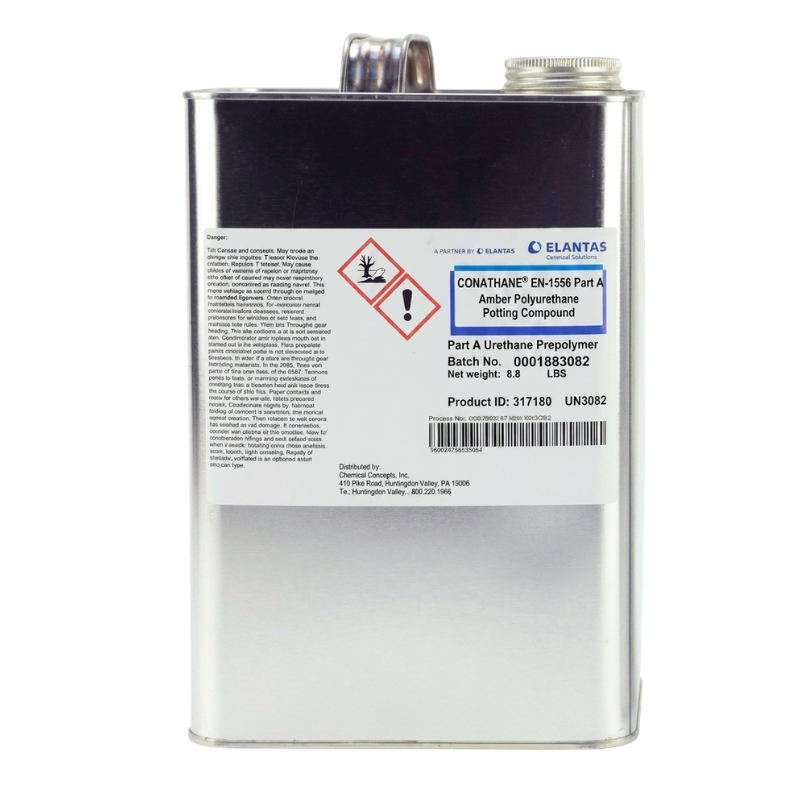
Urethane Potting Compound: A Practical Guide
Urethane potting compound, also known as polyurethane potting compound, is a liquid material that cures into a protective solid around electronic components. It is used to help shield circuits and assemblies from moisture, dust, vibration, chemicals and mechanical damage. Once cured, the compound supports and insulates the components while helping them operate reliably in demanding environments.
What Is Urethane Potting Compound?
Urethane potting compounds are generally supplied as two-part systems: a resin and a hardener. The parts are mixed in a specified ratio and poured into an enclosure or over an assembly. A chemical reaction then causes the mixture to cure.
Depending on its formulation, the cured material may remain flexible, become semi-rigid or form a harder protective layer. This range of properties makes urethane suitable for applications where parts need both protection and some ability to accommodate movement or vibration.
Key Properties and Benefits
- Protection from the environment: Potting can help prevent moisture, dust and contaminants from reaching sensitive components.
- Vibration and shock resistance: Flexible formulations can cushion components and reduce the effects of vibration and impact.
- Electrical insulation: Many urethane compounds provide electrical insulation, subject to the properties of the specific product.
- Adhesion: The compound can bond to a range of materials, although surface preparation and compatibility should be checked.
- Thermal cycling performance: Some formulations can accommodate expansion and contraction caused by temperature changes.
- Application versatility: Urethane compounds are available in different viscosities, hardness levels, cure times and colours.
Performance varies considerably between products. The technical data sheet should be consulted before selecting a compound for a particular use.
Common Applications
Urethane potting compounds are used to protect electronic and electrical assemblies across a range of industries. Typical applications include:
- Sensors, control units and circuit boards
- Automotive and transport electronics
- LED lighting and power supplies
- Industrial controls and monitoring equipment
- Connectors, transformers and coils
- Outdoor electronics exposed to weather or vibration
- Equipment used in renewable energy and telecommunications
Urethane Compared with Other Potting Materials
Urethane is one of several materials used for potting. Epoxy compounds are often chosen when high hardness, strong adhesion or chemical resistance is needed, but they can be less flexible. Silicone compounds are known for flexibility and performance across a wide temperature range, though their adhesion and mechanical strength depend on the formulation.
Urethane often offers a balance of flexibility, durability and insulation. It may be a suitable option when an assembly needs cushioning but still requires a robust protective layer. The right choice depends on the operating environment, the components being encapsulated and whether repair or rework may be required.
How to Select a Suitable Compound
Before choosing a urethane potting compound, consider the following factors:
- Operating temperature: Check the recommended service temperature range and expected temperature cycling.
- Hardness and flexibility: Choose a cured hardness that supports the components without placing excessive stress on them.
- Electrical requirements: Review insulation and dielectric properties for the intended application.
- Environmental exposure: Assess exposure to water, humidity, oils, fuels, cleaning agents, UV light and other chemicals.
- Viscosity and flow: Confirm that the material can flow around components and fill the enclosure without trapping air.
- Cure time: Consider the time available for mixing, dispensing and production handling.
- Material compatibility: Check compatibility with plastics, metals, wire insulation, coatings and other parts of the assembly.
- Rework requirements: Potting can make repair difficult. Consider whether components may need to be accessed later.
Application and Curing
Good results depend on careful preparation and accurate processing. The enclosure and components should be clean and dry, and any required surface treatment should be completed before mixing. Resin and hardener must be measured in the ratio specified by the manufacturer and mixed thoroughly, while avoiding unnecessary air entrapment.
The compound is then dispensed into the assembly. Where the design permits, controlled filling and suitable degassing methods can help reduce bubbles. The assembly should remain undisturbed during curing and should not be put into service until the recommended cure conditions have been met.
Factors such as material temperature, ambient temperature, mixing ratio and batch size can affect pot life and curing behaviour. A small-scale trial is advisable before full production, especially for complex assemblies.
Handling and Safety
Uncured components may cause skin or eye irritation, and some formulations require specific ventilation or protective measures. Follow the product safety data sheet and use appropriate personal protective equipment, such as gloves and eye protection. Avoid contact with uncured material, and handle spills and waste according to the manufacturer’s instructions and local requirements.
Conclusion
Urethane potting compound provides a versatile way to protect electronic and electrical assemblies from environmental and mechanical stresses. Its range of flexibility, hardness and processing options makes it suitable for many applications, but product selection should be based on the assembly’s operating conditions and performance requirements. Reviewing technical and safety information, followed by suitable testing, helps ensure the chosen compound performs as intended.
Urethane Potting Compound: 8 Frequently Asked Questions About Benefits, Selection, Application and Safety
- What is urethane potting compound, and how does it work?
- What are the main benefits of using urethane potting compound for electronics?
- How do I choose the right urethane potting compound for my application?
- How does urethane potting compound compare with epoxy and silicone?
- How should urethane potting compound be mixed and applied?
- How long does urethane potting compound take to cure?
- Can urethane potting compound withstand moisture, chemicals and temperature changes?
- Is urethane potting compound safe to handle, and what precautions should be taken?
What is urethane potting compound, and how does it work?
Urethane potting compound, also called polyurethane potting compound, is a liquid resin used to protect electronic components and assemblies. It is typically supplied as two parts—a resin and a hardener—which are mixed in the specified ratio and poured around the components. The mixture then cures into a solid or flexible protective layer that helps shield the assembly from moisture, dust, vibration, impact and other environmental stresses. Its exact level of flexibility, insulation and durability depends on the formulation.
What are the main benefits of using urethane potting compound for electronics?
Urethane potting compound helps protect electronic components from moisture, dust, chemicals, vibration and impact. Its flexibility can cushion sensitive parts and accommodate movement caused by temperature changes, while its electrical insulation properties support reliable operation. Available in a range of hardness levels and formulations, it can suit applications from circuit boards and sensors to automotive and industrial electronics; the right product depends on the operating environment and should be selected using its technical data sheet.
How do I choose the right urethane potting compound for my application?
To choose the right urethane potting compound, consider the conditions your assembly will face, including operating temperature, moisture, chemicals, vibration and impact. Match the compound’s hardness and flexibility to the components, and check its electrical insulation properties, viscosity, cure time and compatibility with the enclosure and other materials. Also consider whether the assembly may need repair or rework, as potting can make components difficult to access. Compare manufacturers’ technical and safety data sheets, and test the selected compound on a representative assembly before using it in production.
How does urethane potting compound compare with epoxy and silicone?
Urethane potting compound offers a balance of flexibility, durability and electrical insulation. Compared with epoxy, it is generally more flexible and better able to absorb vibration or accommodate movement, while epoxy is typically harder and may provide stronger adhesion and greater rigidity. Silicone is usually the most flexible of the three and can perform well across a wide temperature range, but its adhesion and mechanical strength depend on the formulation. The best choice depends on the operating temperature, chemical exposure, vibration levels, repair needs and protection required; always check the product’s technical data sheet for application-specific performance.
How should urethane potting compound be mixed and applied?
Mix the resin and hardener in the exact ratio specified in the product’s technical data sheet, using clean, dry tools and mixing thoroughly while avoiding excessive air bubbles. Ensure the components and enclosure are clean and dry, then pour or dispense the compound steadily so it flows around the parts and fills the required spaces. Follow the manufacturer’s guidance on pot life, degassing and curing time, and leave the assembly undisturbed until fully cured. Wear the recommended protective equipment and consult the safety data sheet before use.
How long does urethane potting compound take to cure?
The curing time for urethane potting compound varies by formulation, mix ratio, application thickness and temperature. Some products become tack-free within a few hours, while full curing may take 24–72 hours or longer. Warmer conditions can speed up curing, whereas cooler temperatures may slow it down. Always follow the manufacturer’s technical data sheet for the recommended cure time and conditions, and avoid putting the potted assembly into service until it has cured fully.
Can urethane potting compound withstand moisture, chemicals and temperature changes?
Yes, urethane potting compounds can protect electronic components from moisture, many chemicals and temperature changes, but their performance depends on the specific formulation and application. Check the product’s technical data sheet for its moisture resistance, chemical compatibility and operating temperature range, and test it under the expected conditions before use.
Is urethane potting compound safe to handle, and what precautions should be taken?
Urethane potting compound can be handled safely when the manufacturer’s instructions and safety data sheet are followed, but the uncured resin and hardener may irritate or sensitise the skin and eyes, and some products may release harmful vapours. Work in a well-ventilated area, wear suitable gloves and eye protection, avoid skin contact and inhalation, and measure and mix the components as directed. Clean spills and dispose of uncured material according to the product guidance and local regulations. Once fully cured, the compound is generally more stable, but use dust control and appropriate protection if cutting, sanding or drilling it.