
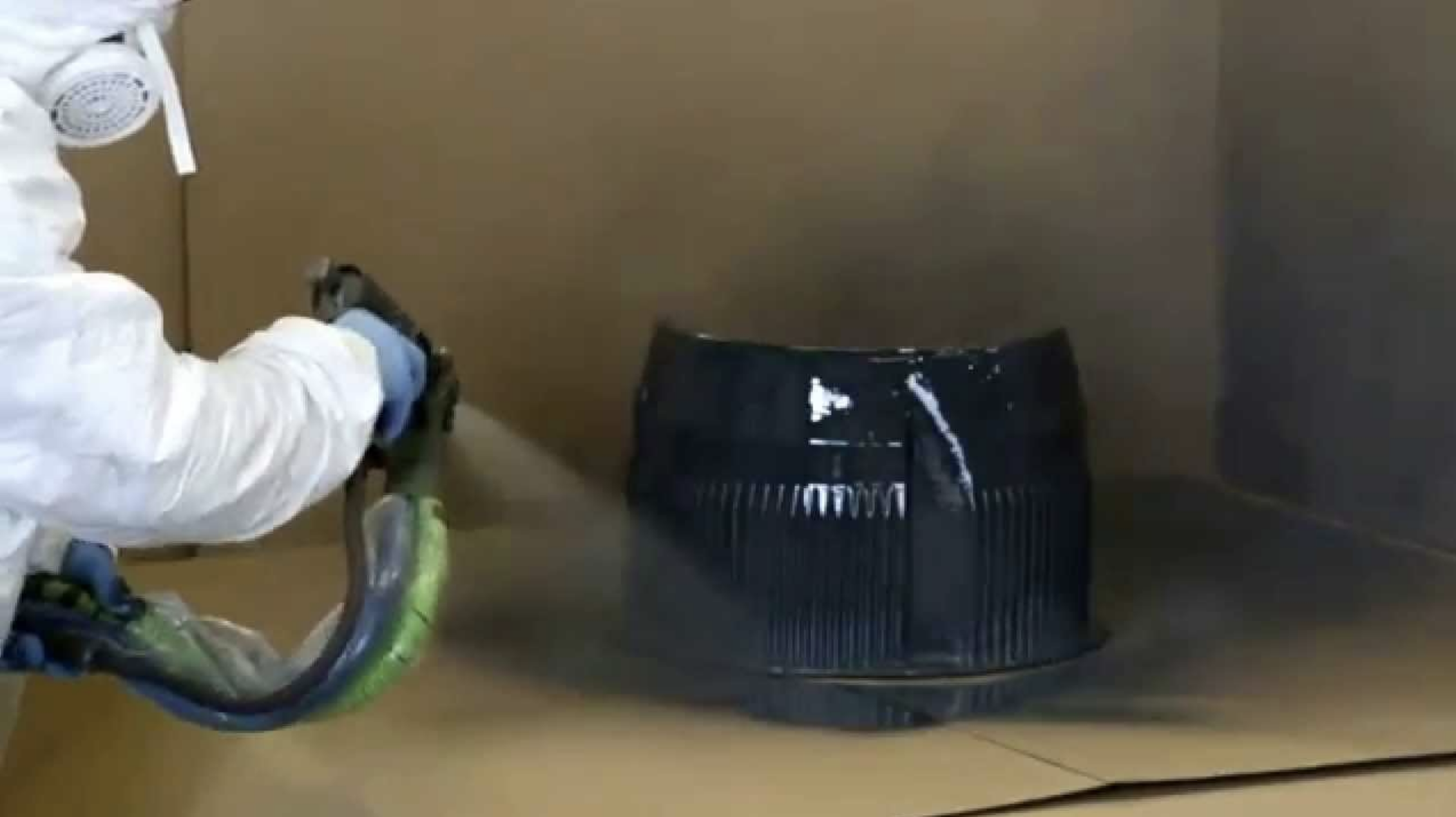
Urethane Coating: A Durable Protective Finish
Urethane coating, commonly known as polyurethane coating, is a protective finish used on surfaces that need resistance to wear, moisture, chemicals or weathering. It forms a tough film over the material beneath it and is available in a range of formulations and finishes, including clear, coloured, glossy and matt options.
How Urethane Coatings Work
Urethane coatings are made using polyurethane resins. Depending on the formulation, they may be water-based or solvent-based, and may be supplied as a single-component product or as a two-component system that is mixed before use. Two-component coatings typically cure through a chemical reaction between the resin and a hardener. The choice of product affects its application, curing time and performance.
Common Applications
Urethane coatings are used across residential, commercial and industrial settings. Common applications include:
- Protective finishes for wooden floors, furniture and joinery
- Coatings for metal structures, machinery and equipment
- Flooring in factories, warehouses, workshops and commercial spaces
- Protective finishes for vehicles and other transport equipment
- Coatings for concrete surfaces exposed to regular use or cleaning
The right product depends on the substrate, the conditions the surface will face and the required appearance. A coating designed for interior wood, for example, may not be suitable for an outdoor metal structure.
Benefits
When correctly selected and applied, urethane coatings can provide good abrasion and impact resistance. Many formulations also offer resistance to water, oils and certain chemicals. Some products are designed to withstand sunlight and outdoor exposure, helping the finish retain its colour and appearance. A smooth, sealed surface can also be easier to clean and maintain.
Performance varies considerably between products. No coating is resistant to every chemical or suitable for every environment, so the product data sheet should be checked before selection.
Preparation and Application
Surface preparation is essential to achieve a reliable finish. The surface generally needs to be clean, dry and free from dust, grease, loose paint and other contaminants. Depending on the material, sanding, priming or mechanical preparation may be necessary. The coating should be mixed, applied and allowed to cure according to the manufacturer’s instructions, including the specified temperature, humidity, film thickness and recoat time.
Applying a coating over a poorly prepared surface can lead to peeling, bubbling or uneven coverage. A small trial area is useful when coating an unfamiliar substrate or applying the product over an existing finish.
Safety and Maintenance
Some urethane products contain solvents or components that require careful handling. Follow the safety instructions on the label and safety data sheet, use suitable protective equipment, and ensure adequate ventilation. Keep products away from ignition sources where applicable, and store them as directed.
Regular cleaning and prompt attention to scratches or damage can help extend the life of the coating. For demanding applications, consult a coatings professional to identify a suitable system and confirm that it meets the project’s performance requirements.
5 Key Benefits of Urethane Coating
- Offers strong resistance to wear and abrasion.
- Helps protect surfaces from moisture and stains.
- Available in clear, coloured, glossy and matt finishes.
- Can resist oils and selected chemicals.
- Creates a smooth surface that is easy to clean.
6 Disadvantages of Urethane Coating
- Some formulations contain harmful chemicals and require careful handling.
- Solvent-based coatings may release strong fumes during application.
- Surface preparation can be time-consuming.
- Two-component products require accurate mixing.
- Curing may take several hours or longer.
- The coating can scratch, yellow or deteriorate over time.
Offers strong resistance to wear and abrasion.
Urethane coating offers strong resistance to wear and abrasion, making it a practical choice for surfaces exposed to frequent use, foot traffic or regular contact with equipment. Its durable protective layer helps reduce scratches, scuff marks and gradual surface damage, helping floors, machinery and other coated materials retain their appearance and performance for longer.
Helps protect surfaces from moisture and stains.
Urethane coating helps protect surfaces from moisture and stains by creating a durable barrier that limits the entry of water and other spills. This makes coated surfaces easier to clean and helps reduce the risk of marks, discolouration and moisture-related damage. Its level of protection depends on the product and how well it is applied, so always follow the manufacturer’s instructions.
Available in clear, coloured, glossy and matt finishes.
Urethane coatings are available in clear and coloured options, with glossy and matt finishes to suit different design needs. A clear coating can protect a surface while allowing its natural appearance to show through, while a coloured finish can add a fresh look or complement existing décor. Choosing between glossy and matt allows you to tailor the final appearance, whether you prefer a reflective sheen or a more subtle finish.
Can resist oils and selected chemicals.
Urethane coatings can resist oils and selected chemicals, making them a practical choice for surfaces exposed to spills, splashes or routine cleaning. This protection can help preserve the underlying material and maintain the finish in settings such as workshops, factories and commercial facilities. Resistance varies by product and chemical, so check the manufacturer’s compatibility guidance before use.
Creates a smooth surface that is easy to clean.
Urethane coating creates a smooth, sealed surface that is easy to wipe clean and maintain. Dirt, dust and everyday spills are less likely to cling to the finish, making it a practical choice for floors, furniture and other frequently used surfaces. Regular cleaning with suitable products can help keep the coating looking neat and extend its service life.
Some formulations contain harmful chemicals and require careful handling.
Some urethane coating formulations contain chemicals that may be harmful if inhaled or if they come into contact with the skin or eyes. During application, follow the product label and safety data sheet, ensure adequate ventilation, and wear the recommended protective equipment. Careful handling, storage and disposal are important to reduce exposure and protect people and the environment.
Solvent-based coatings may release strong fumes during application.
Solvent-based urethane coatings may release strong fumes during application, which can be unpleasant and may pose health risks if inhaled. Good ventilation is essential, and users should follow the product’s safety instructions and wear the recommended protective equipment.
Surface preparation can be time-consuming.
One drawback of urethane coating is that surface preparation can be time-consuming. The surface may need thorough cleaning, drying, sanding and, in some cases, priming before the coating can be applied. Skipping or rushing these steps can lead to poor adhesion, an uneven finish or premature peeling, so careful preparation adds to the overall time and effort required.
Two-component products require accurate mixing.
Two-component urethane coatings require the resin and hardener to be measured and mixed accurately in the proportions specified by the manufacturer. Incorrect mixing can affect curing, adhesion and the finished coating’s strength, and may leave the surface tacky or uneven. The mixture also has a limited working time, so it must be applied promptly, making careful preparation and timing essential.
Curing may take several hours or longer.
One drawback of urethane coating is its curing time, which may take several hours or longer, depending on the product, temperature, humidity and thickness of the coat. During this period, the surface may need to remain untouched and protected from dust, moisture and traffic. This can delay installation or the return of an area to normal use, so it is important to allow adequate curing time and follow the manufacturer’s instructions.
The coating can scratch, yellow or deteriorate over time.
Although urethane coatings are valued for their durability, they can scratch, yellow or deteriorate over time, particularly when exposed to heavy use, sunlight, harsh chemicals or poor maintenance. The extent of wear depends on the coating formulation and application conditions, so periodic inspection and timely repairs can help preserve the surface’s appearance and protection.