
Polyurethane Foam Fill: Uses, Benefits and Selection
Polyurethane foam fill is used across a wide range of products and industries, from furniture and mattresses to vehicles, packaging and building insulation. Its versatility comes from the ability to make polyurethane foam in different forms, densities and degrees of firmness to suit specific applications.
What Is Polyurethane Foam Fill?
Polyurethane (PU) foam is a cellular material made by reacting polyurethane ingredients to create a structure containing many small cells. Depending on its formulation and manufacturing process, the foam can be soft and flexible or firm and rigid. It may be supplied as cut pieces, moulded components, sheets, rolls or, for certain applications, as a liquid system that expands in place.
“Foam fill” can refer to foam used as the cushioning inside a product, as well as foam used to occupy a cavity or provide insulation. The right type depends on the intended use and the conditions the foam will experience.
Common Types
- Flexible PU foam: Soft or resilient foam used in sofas, chairs, mattresses, vehicle seating and cushions.
- Rigid PU foam: Firm, lightweight foam commonly used for thermal insulation in buildings, appliances and cold-chain applications.
- Moulded foam: Foam formed in a shaped mould to create components with specific contours, such as automotive seats and armrests.
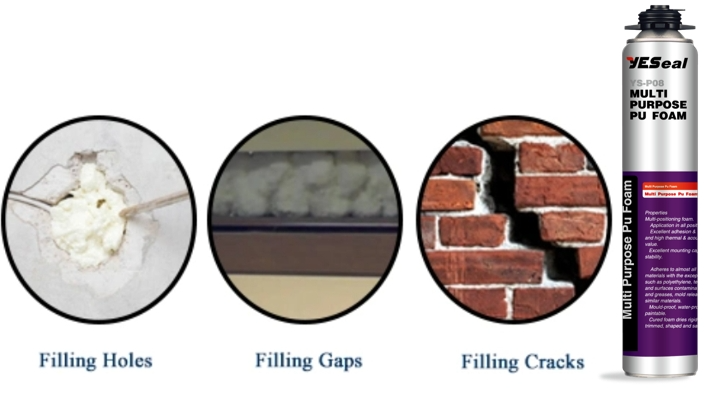
- Expanding foam systems: Formulated products that expand and cure in place, often used for filling gaps or insulating defined areas. These require careful application and should be used according to the product instructions.
Where Is It Used?
Flexible foam fill provides cushioning and support in furniture, bedding and vehicle interiors. Its firmness and resilience can be adjusted to suit different comfort requirements. In packaging, foam can help cushion products during storage and transport, with the design chosen to match the item’s weight and fragility.
Rigid foam fill is valued for its insulating performance and low weight. It is used in insulated panels, refrigeration equipment, water heaters and other applications where limiting heat transfer is important. Specially formulated foams may also be used in technical and industrial products.
Key Benefits
- Versatility: Foam can be made in a range of forms, densities, firmness levels and cell structures.
- Low weight: It can provide cushioning or insulation without adding excessive mass.
- Comfort and support: Flexible grades can be selected to provide different seating and sleeping characteristics.
- Design flexibility: Foam can be cut, shaped or moulded to fit a product or space.
- Insulation: Certain rigid grades offer effective thermal insulation when correctly designed and installed.
How to Choose the Right Foam Fill
Before selecting a foam, consider how it will be used and what performance is required. Important factors include:
- Whether the foam needs to be flexible, semi-rigid or rigid
- Required firmness, density, resilience and cushioning behaviour
- Expected loads, repeated use and service life
- Exposure to moisture, heat, sunlight, chemicals or cleaning products
- Product dimensions, installation method and any ventilation requirements
- Applicable fire-safety, emissions and other regulatory requirements
Density alone does not determine comfort, durability or suitability. The foam’s formulation, cell structure, design and intended use also matter. Buyers should consult the manufacturer or supplier and review the relevant technical data rather than selecting a grade on one property alone.
Handling and Installation
Preformed foam components should be stored and installed in line with supplier guidance. Expanding or spray-applied systems need particular care: the substrate, temperature, ventilation, application thickness and curing conditions can affect the result. Follow the product’s safety data sheet and installation instructions, and use suitable protective equipment. These products should not be applied near ignition sources or in ways that could obstruct ventilation, drainage or access to electrical and mechanical services.
Polyurethane foam products vary in their fire performance. Foam should not be assumed to be fire-resistant unless the specific product has been tested and is suitable for the intended application. In buildings, installations should comply with relevant local building and fire-safety requirements.
Care and End-of-Life Considerations
For furniture and bedding, following the product’s care instructions can help preserve the foam and its covering. Damaged or deteriorating foam should be assessed and replaced where necessary. Disposal and recycling options depend on the type of foam and local facilities. Some foam can be reused or processed through specialist recycling routes, so businesses should check with local waste-management providers before disposal.
Conclusion
Polyurethane foam fill is a practical material for cushioning, support, insulation and protective packaging. Its performance depends on choosing the correct foam type and specification for the application, as well as ensuring safe handling and installation. Working with a qualified supplier helps users identify a suitable solution and meet relevant performance and safety requirements.
9 Key Benefits of Polyurethane Foam Fill
- Lightweight and easy to handle
- Available in varied firmness levels
- Provides comfortable cushioning
- Offers good resilience
- Can be cut or moulded to shape
- Suitable for many applications
- Rigid grades provide thermal insulation
- Helps protect items during transport
- Can be tailored to specific needs
Disadvantages of Polyurethane Foam Fill
- Some types can be difficult to recycle.
- Heat and sunlight may cause deterioration.
- Certain products need careful handling during installation.
- Foam performance varies by grade and application.
Lightweight and easy to handle
Polyurethane foam fill is lightweight, making it easier to lift, cut, shape and install than many heavier filling materials. This can simplify handling during manufacturing and on-site work, while reducing the effort needed to transport and position the material. Its low weight also helps keep finished products lighter without compromising the cushioning or insulation required for the application.
Available in varied firmness levels
Polyurethane foam fill is available in a range of firmness levels, making it easy to choose an option suited to the intended use. Softer grades can provide a plush, comfortable feel for cushions and bedding, while firmer grades offer greater support for seating, mattresses and other applications. This choice helps manufacturers tailor products to different comfort and performance requirements.
Provides comfortable cushioning
Polyurethane foam fill provides comfortable cushioning by adapting to the shape of the body and helping distribute pressure evenly. Available in a range of firmness levels and densities, it can be selected to offer anything from soft, cosy support to a firmer, more supportive feel. This makes it a popular choice for sofas, chairs, mattresses and vehicle seating.
Offers good resilience
Polyurethane foam fill offers good resilience, meaning it can compress under pressure and recover much of its original shape when the pressure is removed. This helps cushions, mattresses and upholstered furniture retain their comfort and support through regular use. The level of resilience varies by foam grade, so it is important to choose a product suited to the intended application.
Can be cut or moulded to shape
One of the key advantages of polyurethane foam fill is that it can be cut or moulded to suit different shapes and sizes. This flexibility makes it easier to create a close fit for furniture, vehicle interiors, packaging and insulation applications. Foam can be supplied as a shaped component or trimmed during installation, helping manufacturers and users achieve the desired form and fit.
Suitable for many applications
One of the key advantages of polyurethane foam fill is its suitability for many applications. It can be made in different forms, densities and levels of firmness to meet the needs of products such as sofas, mattresses, vehicle seating, protective packaging and building insulation. This versatility allows manufacturers to select a foam type that provides the right combination of cushioning, support, protection or thermal performance for its intended use.
Rigid grades provide thermal insulation
Rigid polyurethane foam grades provide effective thermal insulation by slowing the movement of heat through walls, roofs, appliances and insulated panels. Their lightweight structure and insulating performance can help maintain indoor temperatures and reduce heating or cooling demands when the foam is correctly specified and installed. Performance varies by product and application, so the selected grade should meet relevant building and safety requirements.
Helps protect items during transport
Polyurethane foam fill helps protect items during transport by cushioning them against knocks, vibration and movement inside the packaging. It can be cut or moulded to fit around products, helping keep them in place and reducing the risk of scratches, dents or breakage. The right foam type and thickness should be selected to suit the item’s weight, shape and fragility.
Can be tailored to specific needs
One of the key advantages of polyurethane foam fill is that it can be tailored to specific needs. Manufacturers can adjust its density, firmness, flexibility and shape to suit different applications, from soft cushioning in furniture to firm support in vehicle seating or insulation in buildings. This versatility helps ensure the foam delivers the right balance of comfort, support and performance for its intended use.
Some types can be difficult to recycle.
Some types of polyurethane foam fill can be difficult to recycle because their structure and chemical composition make them challenging to separate and process. Foam may also be bonded to fabrics, adhesives or other materials, complicating recovery. Recycling options vary by foam type and location, so checking with the manufacturer or local waste-management provider can help identify suitable reuse or disposal routes.
Heat and sunlight may cause deterioration.
Heat and Sunlight May Cause Deterioration
Prolonged exposure to high temperatures and direct sunlight can gradually affect polyurethane foam fill. Heat may cause the foam to soften, lose its shape or become less resilient, while ultraviolet (UV) rays can contribute to discolouration and surface breakdown. The rate of deterioration depends on the foam formulation and exposure conditions. To help extend its service life, keep foam away from heat sources and direct sunlight, or use a suitable protective cover where exposure cannot be avoided.
Certain products need careful handling during installation.
Some polyurethane foam fill products, particularly expanding or spray-applied types, need careful handling during installation. Application conditions such as temperature, ventilation and the amount used can affect how the foam expands and cures. Follow the manufacturer’s instructions and safety data sheet, use suitable protective equipment, and take care to prevent the foam from blocking vents, drains or access to services.
Foam performance varies by grade and application.
One drawback of polyurethane foam fill is that its performance can vary considerably by grade and application. Differences in density, firmness, formulation and cell structure affect how the foam feels and performs, including its cushioning, support, durability and insulation. A grade that works well in furniture may not be suitable for packaging or building insulation, so it is important to check product specifications and choose foam designed for the intended use.