
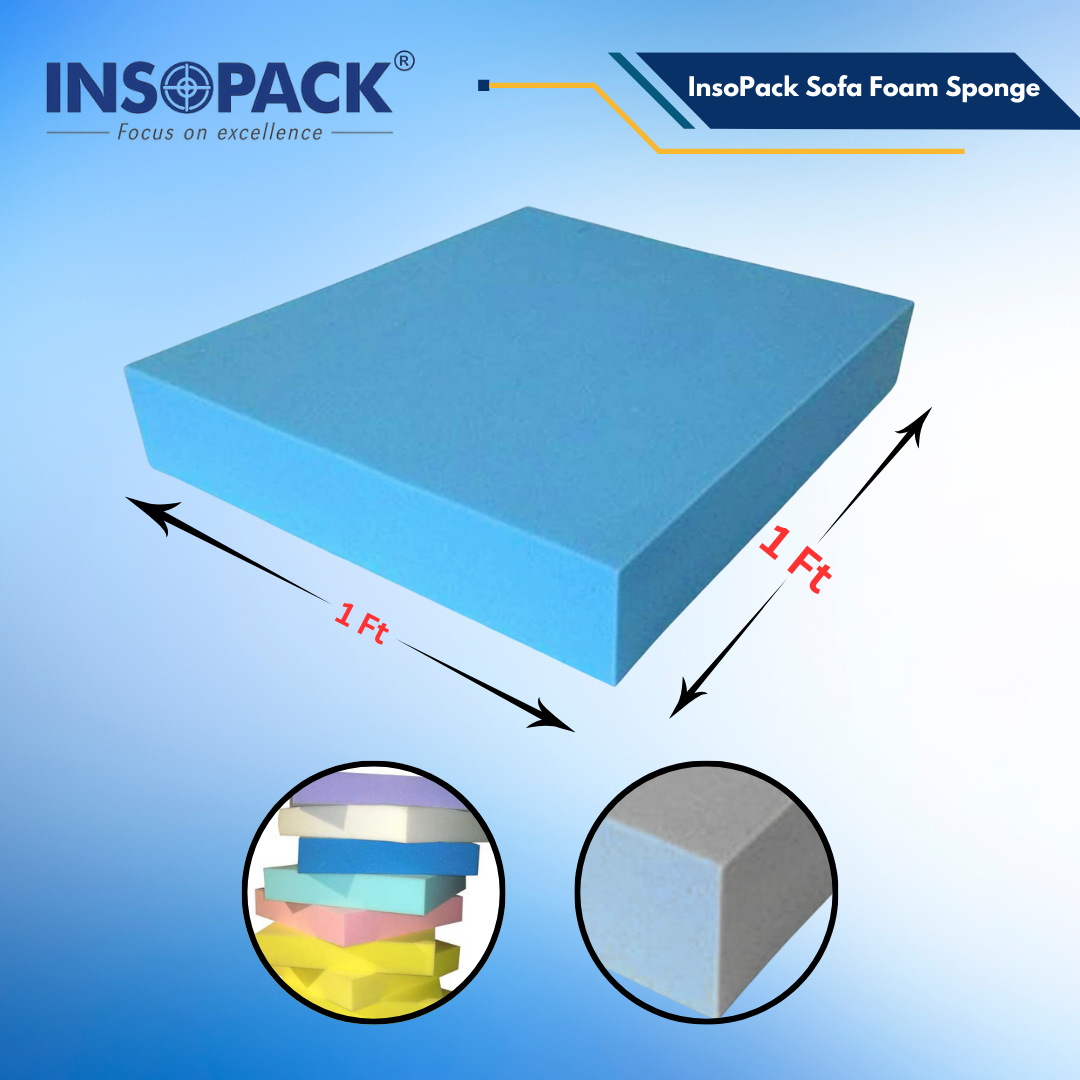
Polyurethane Foam for Cushions: A Practical Guide
Polyurethane (PU) foam is widely used in cushions for sofas, chairs, mattresses and many other products. It is valued for its light weight, cushioning ability and versatility. Available in a range of densities and firmness levels, PU foam can be selected to suit different uses, budgets and comfort preferences.
What is polyurethane foam?
Polyurethane foam is made by reacting chemicals to create a cellular material containing many small pockets of air. For cushions, the most common type is flexible PU foam. Its structure allows it to compress under weight and recover when the load is removed. The feel and performance depend on the foam’s formulation, density, cell structure and how it is made.
Why is PU foam used in cushions?
- Comfort: It provides cushioning and can be made in soft, medium or firm grades.
- Versatility: Foam can be cut and shaped for different cushion designs and furniture styles.
- Light weight: It is generally easy to handle and use in upholstered products.
- Choice of performance: Different grades are available for occasional seating, everyday use and specialised applications.
- Cost options: A broad range of foam grades makes it possible to match the material to a product’s intended use and price point.
Understanding density and firmness
Density and firmness are related to different properties, so they should not be treated as the same thing. Density refers to the mass of foam in a given volume and is often used as an indicator of how much material is present. Firmness describes how the foam feels when compressed. A denser foam is not necessarily firmer, and two foams with similar density can have different comfort levels.
When comparing cushions, ask about both the foam density and its firmness or support characteristics. The right choice depends on how the cushion will be used, the design of the furniture and the user’s comfort preference. Product specifications and testing information are more useful than relying on a single number or description such as “high density”.
Choosing foam for different uses
For decorative cushions or seating used occasionally, comfort and appearance may be the main considerations. For a sofa or chair used every day, support, resilience and resistance to compression over time become more important. Seat cushions usually need to provide more support than back cushions, which may be designed to feel softer.
For a good fit, consider the cushion’s dimensions, shape, upholstery and intended use. The foam should fill the cover without being forced into it, while still allowing the cushion to retain its intended profile. A foam supplier or furniture manufacturer can help identify a suitable grade for the design.
Care and service life
Foam performance can change with regular use, heat, moisture and the conditions in which it is stored. Use the cushion as intended and follow the furniture maker’s care instructions. Removable covers can make cleaning easier, but the foam itself should not be washed unless the product instructions specifically allow it. Keep cushions dry and allow them to air if they become damp.
Over time, cushions may lose some of their original shape or support. Rotating or turning cushions, where the design permits, can help distribute wear more evenly. If a cushion remains noticeably compressed or uncomfortable, replacing the foam may be more suitable than adding extra filling.
Safety and responsible selection
Choose foam from a reputable supplier and check that the product is intended for the application. Ask for relevant product information, including performance and safety documentation where applicable. For upholstered furniture, the foam is only one part of the finished product: the cover, construction and intended environment also matter.
When assessing environmental considerations, ask suppliers about material content, manufacturing practices, durability and end-of-life options. A cushion that lasts longer may reduce the need for frequent replacement, while recycling or recovery options depend on local facilities and the product’s construction.
Conclusion
Polyurethane foam offers a flexible solution for cushion design, but the best choice is not simply the softest or densest option. Consider the cushion’s purpose, desired feel, support, expected use and product specifications. Selecting the right foam grade and caring for the cushion properly can contribute to lasting comfort and performance.
9 Tips for Choosing and Caring for Polyurethane Foam Cushions
- Choose foam density based on how often the cushion will be used.
- Use higher-density foam for sofas and daily seating.
- Match firmness to comfort and support needs.
- Check foam thickness against the cushion cover.
- Choose high-resilience foam for better shape retention.
- Keep cushions dry to help prevent mould and odours.
- Air cushions regularly in a well-ventilated space.
- Use a washable cover to protect the foam from spills.
- Keep foam away from flames and excessive heat.
Choose foam density based on how often the cushion will be used.
Choose the foam density according to how often the cushion will be used. Cushions for everyday seating, such as sofa seats, generally benefit from a more durable foam grade that can better withstand repeated compression, while cushions used occasionally may not need the same level of durability. Density is not the same as firmness, so consider the cushion’s feel and support as well, and check the supplier’s specifications to find a grade suited to its intended use.
Use higher-density foam for sofas and daily seating.
For sofas and other seating used every day, consider higher-density polyurethane foam, as it generally contains more material and can offer better support and durability than lower-density options. Density does not determine firmness on its own, so choose a grade that also provides the comfort you want, and check the supplier’s specifications for suitability for regular use.
Match firmness to comfort and support needs.
Choose the firmness of polyurethane foam according to how the cushion will be used and the comfort it needs to provide. Softer foam may feel comfortable for back cushions or occasional seating, while firmer foam can offer greater support for seat cushions used every day. As firmness and density are different properties, check the product details and, where possible, try the cushion before making a choice.
Check foam thickness against the cushion cover.
Check the foam thickness against the cushion cover before cutting or replacing it. Foam that is too thick may stretch the seams, make the cover difficult to close or create a firm, overfilled cushion, while foam that is too thin can leave the cover loose and the cushion poorly supported. Measure the cover’s internal depth and choose foam that fits neatly, allowing for the fabric and the intended feel.
Choose high-resilience foam for better shape retention.
Choose high-resilience (HR) polyurethane foam for cushions that need to keep their shape with regular use. Its flexible structure helps the foam recover after compression, offering responsive support and reducing the likelihood of cushions looking flattened too soon. It is a useful option for frequently used sofas and chairs; select the firmness and specifications to suit the cushion’s design and intended use.
Keep cushions dry to help prevent mould and odours.
Keep polyurethane foam cushions dry to help prevent mould and unpleasant odours. If a cushion gets wet, remove the cover if possible and allow both the cover and foam to dry thoroughly in a well-ventilated area before using them again. Avoid storing damp cushions in enclosed spaces, as trapped moisture can encourage mould growth and affect freshness.
Air cushions regularly in a well-ventilated space.
Air cushions regularly in a well-ventilated space to help release trapped moisture and keep them feeling fresh. Remove the covers, if the care instructions allow, and let the cushions air naturally away from direct heat or strong sunlight. Make sure they are completely dry before putting the covers back on.
Use a washable cover to protect the foam from spills.
Use a washable, removable cover to help protect polyurethane foam cushions from spills, dust and everyday dirt. If a spill occurs, remove the cover promptly and wash it according to its care label, allowing it to dry completely before putting it back on. This simple step helps keep the foam clean and comfortable; avoid washing the foam itself unless the manufacturer’s instructions specifically recommend it.
Keep foam away from flames and excessive heat.
Keep polyurethane foam cushions away from open flames, heaters and other sources of excessive heat. Foam can ignite or be damaged when exposed to high temperatures, so place cushions well clear of candles, cigarettes, cookers and heating equipment. Always follow the furniture manufacturer’s fire-safety and care instructions.