
Polyurethane Casting Material: Properties, Process and Applications
Polyurethane casting material is a versatile polymer used to make parts ranging from flexible seals and wheels to rigid components and detailed prototypes. It is valued for its ability to be formulated with a wide range of properties, allowing manufacturers to tailor a material to the needs of a particular application.
What is polyurethane casting material?
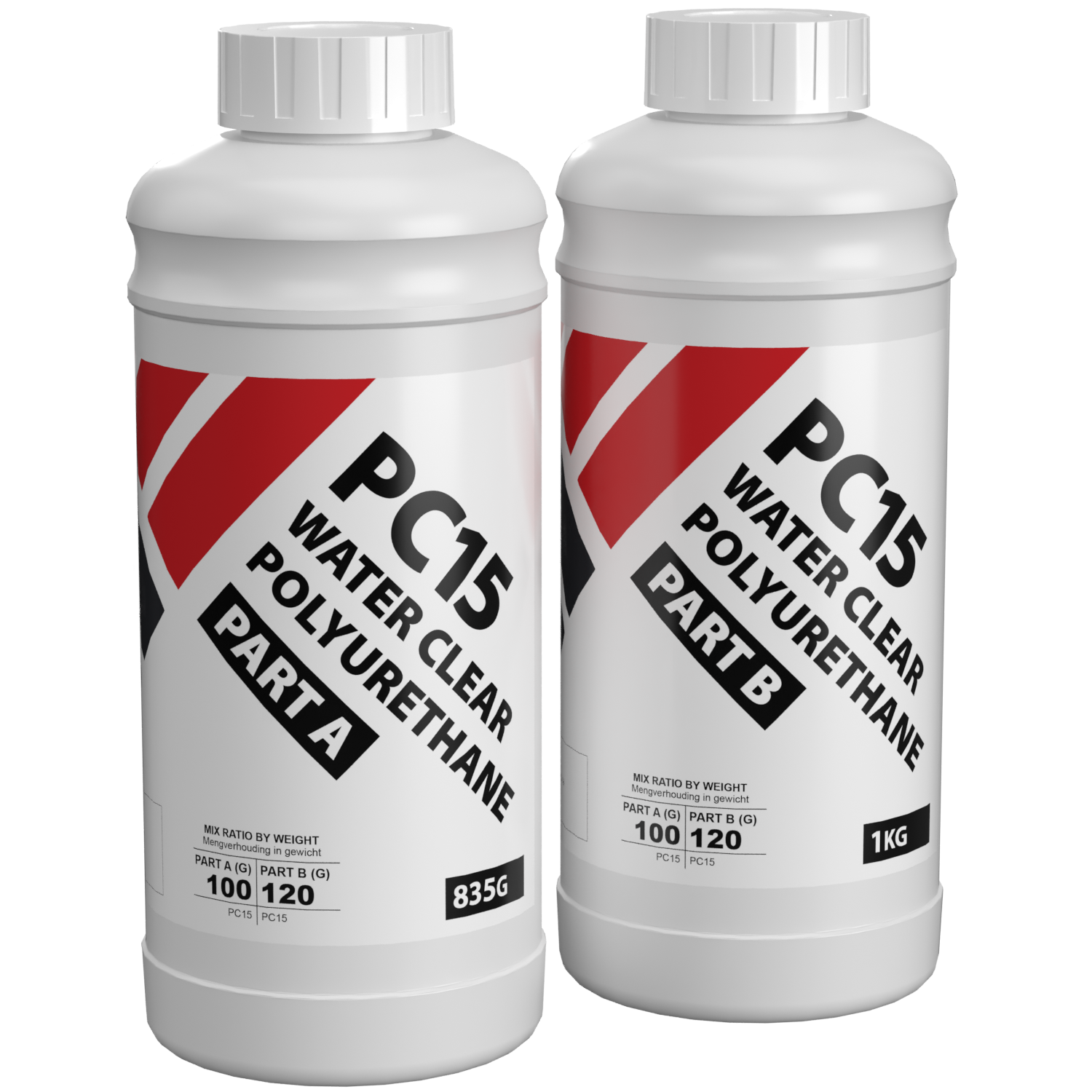
Most polyurethane casting systems are supplied as two components: a polyol blend and an isocyanate. When mixed in the specified ratio, the components react and form polyurethane. The mixture is poured into a mould and allowed to cure, producing a solid part. Depending on the formulation, the finished material may be soft and rubber-like, firm and resilient, or rigid.
Some casting products are designed to form cellular materials, such as flexible or rigid foam. Others produce solid elastomers or plastics. The exact ingredients and performance vary by product, so the manufacturer’s technical data sheet should always be consulted.
Key properties
Polyurethane casting materials can offer a useful combination of properties, including:
- Adjustable flexibility: Formulations are available across a broad range of hardness levels.
- Abrasion resistance: Many polyurethane elastomers perform well in applications involving rubbing or repeated contact.
- Impact strength: Certain grades can absorb shocks and resist damage from impacts.
- Detailed mould reproduction: Liquid systems can capture fine features when used with a suitable mould and casting process.
- Design versatility: The material can be used for solid parts, elastomeric components and some foam products.
Performance is formulation-specific. Resistance to heat, sunlight, moisture, oils and chemicals can differ significantly between products and should be verified for the intended service conditions.
How the casting process works
- Prepare the mould: Choose a mould material and release agent compatible with the polyurethane system. Ensure the mould is clean and dry.
- Measure the components: Follow the specified mixing ratio accurately. Incorrect proportions can affect curing and final properties.
- Mix thoroughly: Combine the components using the recommended method, taking care to minimise air bubbles.
- Pour the mixture: Fill the mould steadily. For demanding applications, vacuum degassing or pressure casting may help reduce bubbles, if the product and process allow it.
- Allow it to cure: Leave the casting undisturbed for the stated time and under the recommended conditions. Some products require additional post-curing.
- Demould and inspect: Remove the part carefully, then check its dimensions, surface and cure before use.
Common applications
Polyurethane casting materials are used in many industries. Typical applications include:
- Prototypes, models and short-run production parts
- Wheels, rollers and conveyor components
- Seals, gaskets, bumpers and vibration-damping parts
- Wear-resistant liners and protective components
- Tooling, patterns and moulded decorative items
- Encapsulation and potting, where a suitable grade is specified
Choosing the right material
Selection should begin with the part’s function and operating environment. Consider the required hardness, flexibility, load, impact and wear conditions, as well as exposure to temperature, sunlight, moisture and chemicals. Also assess the mould design, required surface finish, production volume and curing time.
Always check the supplier’s technical data sheet for mixing ratios, working time, demould time, cure conditions and recommended applications. Where the part is safety-critical or exposed to demanding conditions, test a representative casting before full-scale production.
Handling and safety
Uncured polyurethane components require careful handling. Some systems contain isocyanates, which can be harmful if inhaled or contacted with the skin. Use the personal protective equipment and ventilation specified in the safety data sheets, and follow local workplace safety requirements. Keep components dry and store them as directed by the supplier. Never rely on odour as an indicator of safety.
Conclusion
Polyurethane casting material offers a flexible way to produce parts with a wide range of mechanical properties and shapes. Successful results depend on choosing the correct formulation and following the manufacturer’s instructions for mixing, moulding, curing and safe handling.
Polyurethane Casting Material: 8 Frequently Asked Questions
- What is polyurethane casting material?
- What are the common uses of polyurethane casting material?
- How do you mix and pour polyurethane casting material?
- How long does polyurethane casting material take to cure?
- What hardness options are available for polyurethane casting materials?
- How can air bubbles be prevented during polyurethane casting?
- Is polyurethane casting material resistant to heat, chemicals and sunlight?
- What safety precautions should be followed when handling polyurethane casting materials?
What is polyurethane casting material?
Polyurethane casting material is a polymer system, usually supplied as two liquid components that are mixed and poured into a mould. The mixture cures to form a solid part, which can range from flexible and rubber-like to rigid, depending on the formulation. It is used to make items such as prototypes, wheels, seals and wear-resistant components.
What are the common uses of polyurethane casting material?
Polyurethane casting material is commonly used to make prototypes, models and small production runs, as well as durable components such as wheels, rollers, seals, gaskets, bumpers and vibration-damping parts. Its resistance to wear and impact also makes it suitable for liners, protective components and tooling. Depending on the formulation, it can be cast as a flexible elastomer or a rigid part, making it useful across industries including manufacturing, automotive, construction and product design.
How do you mix and pour polyurethane casting material?
To mix and pour polyurethane casting material, first check the manufacturer’s instructions and safety data sheet, and work in a well-ventilated area with the recommended protective equipment. Make sure the components, tools and mould are clean and dry, then measure the resin and hardener accurately in the specified ratio. Mix thoroughly, scraping the sides and bottom of the container while stirring, but avoid whipping in excess air. Pour the mixture slowly into the mould, preferably from one point so it can flow evenly, and allow it to cure undisturbed for the time and under the conditions specified by the manufacturer.
How long does polyurethane casting material take to cure?
Polyurethane casting material may become firm enough to demould within a few hours, but the time to reach its full properties can range from several hours to a few days, depending on the formulation, casting thickness and curing temperature. A warmer environment may speed up curing, while cooler conditions can slow it down. Check the manufacturer’s technical data sheet for the recommended demoulding and full-cure times, and avoid using the part until it has cured as specified.
What hardness options are available for polyurethane casting materials?
Polyurethane casting materials are available in a wide range of hardness levels, from soft, flexible grades to rigid formulations. Hardness is commonly specified on the Shore scale: softer elastomers are usually measured on Shore A, while harder materials may be measured on Shore D. The exact options and achievable range vary by product and manufacturer, so check the technical data sheet and choose a grade suited to the part’s flexibility, load and wear requirements.
How can air bubbles be prevented during polyurethane casting?
To prevent air bubbles during polyurethane casting, ensure the mould and components are clean and dry, and measure the components accurately according to the manufacturer’s instructions. Mix slowly and thoroughly, scraping the sides and base of the container while avoiding unnecessary air incorporation. Where the product and equipment allow, vacuum-degas the mixture before pouring or use pressure casting to reduce bubbles in the finished part. Pour steadily in a thin stream, preferably into the lowest point of a well-vented mould, and follow the recommended temperature and working-time conditions.
Is polyurethane casting material resistant to heat, chemicals and sunlight?
Polyurethane casting material can offer resistance to heat, chemicals and sunlight, but performance depends on the specific formulation and exposure conditions. Some grades tolerate moderate temperatures and resist oils or selected chemicals, while prolonged heat or contact with strong solvents, acids or alkalis may cause damage. Sunlight and UV exposure can lead to fading, yellowing or gradual degradation unless the material is formulated for outdoor use or protected with a suitable coating. Check the manufacturer’s technical data sheet for service limits and test the material under the intended conditions before use.
What safety precautions should be followed when handling polyurethane casting materials?
When handling polyurethane casting materials, read the product’s safety data sheet and follow the manufacturer’s instructions. Some systems contain isocyanates, which can be harmful if inhaled or if they contact the skin or eyes. Work in a well-ventilated area, wear the specified protective gloves, eye protection and suitable clothing, and use respiratory protection where the safety guidance requires it. Avoid skin contact, breathing vapours or mist, and eating or drinking in the work area. Keep containers closed when not in use, and store and dispose of materials as directed. In case of a spill or exposure, follow the safety data sheet’s response instructions and seek medical advice when necessary.