
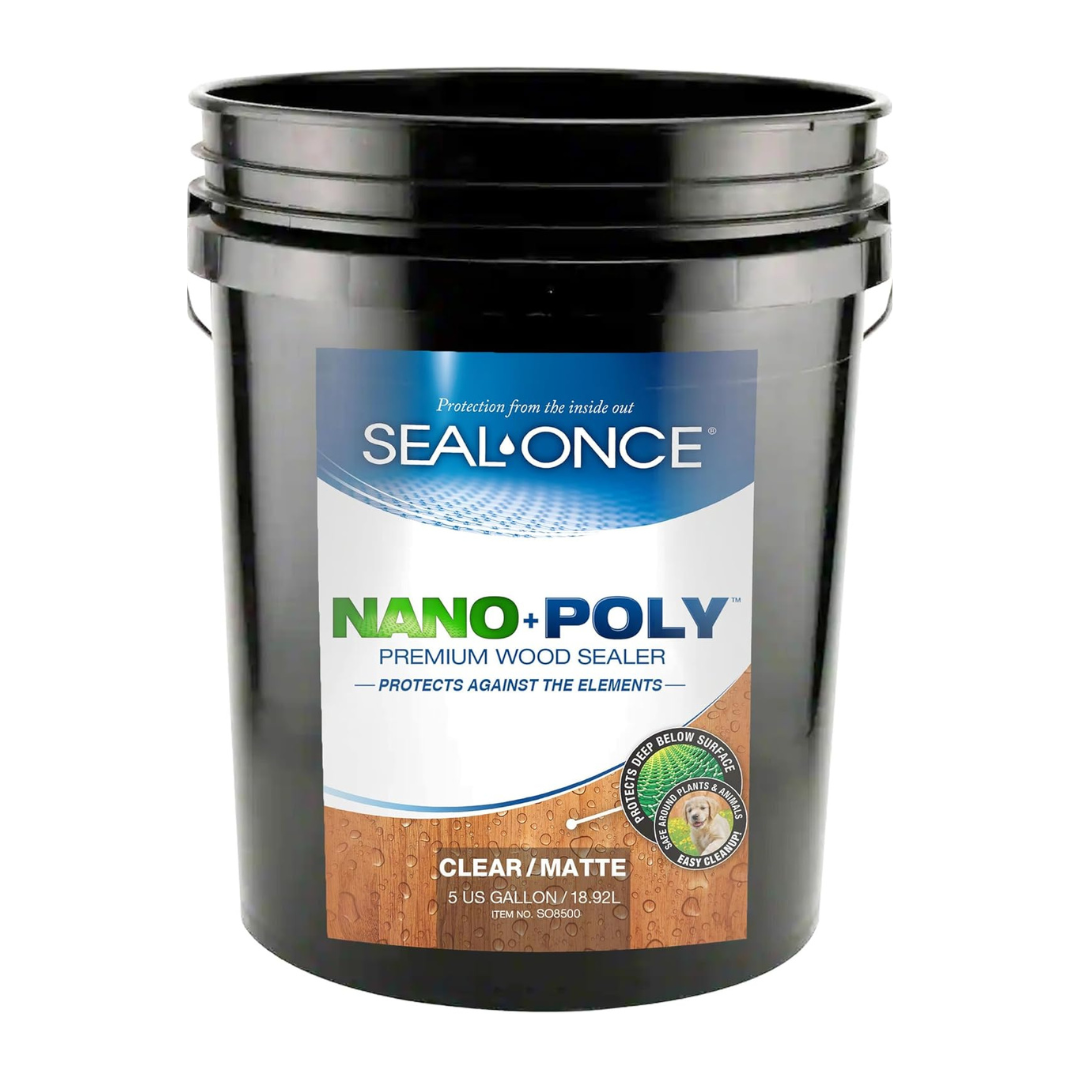
Wood Polyurethane Sealant: Uses, Benefits and Application
Wood polyurethane sealant is a protective finish used to help preserve wooden surfaces and improve their resistance to everyday wear. It forms a clear or tinted film over the wood, helping to guard against moisture, stains, scratches and abrasion. It is commonly used on furniture, doors, floors, cabinets and other interior woodwork.
The term “polyurethane sealant” can also refer to a flexible product used to seal gaps and joints. This article focuses mainly on polyurethane finishes for wood, while noting where joint sealants differ.
What Is a Polyurethane Wood Finish?
A polyurethane wood finish contains polymers that cure into a protective layer. Depending on the product, it may be water-based or solvent-based, and may produce a gloss, semi-gloss, satin or matt appearance. Some products are designed for indoor use, while others are formulated for exterior exposure.
Polyurethane finishes are available as clear coatings, which retain the natural appearance of the wood, and as tinted products that add colour. Always check the product label to confirm that it is suitable for the intended surface and conditions.
Key Benefits
- Protection from wear: A cured coating can help protect wood from scuffs and routine handling.
- Moisture resistance: It can slow the entry of water from spills or humid conditions, but does not make wood waterproof.
- Stain resistance: A sealed surface is generally easier to clean than untreated wood.
- Choice of appearance: Finishes range from matt to high gloss, with clear and tinted options.
- Versatility: Suitable formulations are available for many furniture, flooring and joinery projects.
Water-Based and Solvent-Based Options
Water-Based Polyurethane
Water-based products usually have lower odour and dry more quickly than many solvent-based alternatives. They often keep pale woods closer to their original colour. Their performance and number of required coats vary by product, so follow the manufacturer’s directions.
Solvent-Based Polyurethane
Solvent-based products may add a warmer or amber tone to the wood and are often selected for a traditional appearance. They can have a stronger odour and require careful ventilation during application and curing.
Neither type is automatically the right choice for every project. Consider the wood species, desired appearance, location, expected wear and the product’s stated uses.
How to Apply Polyurethane to Wood
- Prepare the surface: Remove old, loose finish where necessary. Sand the wood smooth, working with the grain, and remove all dust.
- Check compatibility: If applying over an existing finish, confirm that the new product is compatible. Test it first on an inconspicuous area.
- Stir gently: Follow the label instructions. Avoid vigorous shaking, which may create bubbles.
- Apply a thin, even coat: Use a suitable brush, applicator or method specified by the manufacturer. Work with the grain and avoid overworking the coating as it begins to set.
- Allow it to dry: Keep the area clean and undisturbed for the recommended time. Drying and full curing are different; the finish may need longer before it can withstand regular use.
- Sand between coats if directed: Once the previous coat is dry, lightly sand as instructed and remove the dust before applying the next coat.
- Apply the recommended number of coats: Floors and other high-use surfaces may require a different system from decorative furniture.
Where Is It Used?
Polyurethane wood finishes are commonly used on tables, chairs, cupboards, doors, shelves, wooden flooring and interior trim. Exterior projects need a product specifically labelled for outdoor use. Even then, exposure to sunlight, rain and temperature changes can affect the finish, so periodic inspection and maintenance may be needed.
Polyurethane Finish Versus Polyurethane Joint Sealant
A polyurethane finish is a coating that protects the face of a wooden surface. A polyurethane joint sealant is a flexible material used to fill or seal joints, gaps and connections. Joint sealants may be suitable for some construction details, but they are not interchangeable with clear wood finishes. Check the product’s technical information before using it on or near wood, especially if it needs to be painted or stained.
Safety and Storage
Read the product label and safety data sheet before use. Work in a well-ventilated area, wear the protective equipment recommended by the manufacturer and keep the product away from heat, sparks and open flames where specified. Keep it out of reach of children and pets. Dispose of leftover product, rags and containers according to local requirements; some oil- or solvent-soaked materials can present a fire risk if left in a pile.
Choosing the Right Product
Before buying, check whether the polyurethane is intended for interior or exterior use, the surfaces it can be applied to, its finish and colour, drying and curing times, and the recommended application method. A small test patch can help confirm the final appearance and compatibility.
When selected and applied correctly, a polyurethane finish can help protect wood and make routine cleaning easier. Careful preparation, thin even coats and adequate curing time are essential for a durable result.
Wood Polyurethane Sealant: 7 Frequently Asked Questions Answered
- Is polyurethane good to seal wood?
- What is the difference between silicone sealant and polyurethane sealant?
- Is polyurethane a sealant for wood?
- Is polyurethane 100% waterproof?
- What is best sealant for wood?
- What is a polyurethane sealant used for?
- What are the disadvantages of using polyurethane?
Is polyurethane good to seal wood?
Yes, polyurethane is a good choice for sealing and protecting wood, as it forms a durable coating that helps resist moisture, stains, scratches and everyday wear. It is available in water-based and solvent-based options, with different finishes, so choose one suited to the wood and whether it will be used indoors or outdoors. It does not make wood completely waterproof, and the surface should be properly prepared and the product applied as directed for best results.
What is the difference between silicone sealant and polyurethane sealant?
Silicone sealant is highly flexible and resistant to water, sunlight and weathering, making it suitable for areas such as bathrooms, glazing and exterior joints; however, most silicone sealants cannot be painted and may not adhere well to porous wood. Polyurethane sealant generally bonds well to wood and other building materials, is often paintable once cured and offers good resistance to wear, though it may be less suited to prolonged UV exposure unless the product is specifically formulated for it. Choose according to the surface, movement expected and exposure conditions, and check the manufacturer’s instructions.
Is polyurethane a sealant for wood?
Yes, polyurethane can be used to protect wood, but it is usually a clear or tinted coating rather than a flexible sealant for filling gaps. It forms a durable surface layer that helps resist moisture, stains and everyday wear. For joints or cracks, choose a polyurethane joint sealant specifically labelled as suitable for wood, and check the product instructions before use.
Is polyurethane 100% waterproof?
Polyurethane is water-resistant, but it is not 100% waterproof in every situation. A properly applied, fully cured polyurethane finish can help protect wood from spills and moisture, but gaps, scratches, worn areas or prolonged exposure to water may allow moisture to reach the wood. For outdoor or frequently wet areas, choose a product specifically designed for those conditions and follow the manufacturer’s application and maintenance instructions.
What is best sealant for wood?
The best sealant for wood depends on where and how the wood is used. For furniture, doors and floors, a polyurethane wood finish is a popular choice because it forms a durable, protective coating that helps resist scratches, stains and moisture. Choose a product labelled for the intended use—interior or exterior—and select a water-based or solvent-based option according to the desired appearance and application conditions. For gaps or joints that need to move, use a flexible sealant specifically rated for that purpose rather than a polyurethane wood finish. Always follow the manufacturer’s instructions and test the product on a small, hidden area first.
What is a polyurethane sealant used for?
Polyurethane sealant is used to fill and seal joints, gaps and cracks, helping prevent water, air, dust and dirt from passing through. Its flexible, durable bond makes it suitable for areas that may experience movement, such as joints around windows, doors, floors and building materials. For wood, use a product specifically labelled as suitable for wooden surfaces, and follow the manufacturer’s instructions for preparation, application and curing.
What are the disadvantages of using polyurethane?
Polyurethane can provide durable protection for wood, but it has a few disadvantages. Some formulations release strong fumes and require good ventilation and protective equipment during application, while drying and full curing can take time. The coating may also alter the wood’s natural colour, particularly solvent-based products, and can be difficult to repair or remove once cured. It may become scratched or peel if the surface is poorly prepared, the wrong product is used, or moisture gets underneath. Polyurethane finishes can also be less suitable for surfaces that need to flex, so check the product specifications and test it on a small, hidden area first.