
PUF Foam: Uses, Benefits and Key Considerations
PUF foam, short for polyurethane foam, is a versatile material used in everything from building insulation to furniture and refrigeration. It is made by reacting chemical components to create a cellular structure filled with tiny pockets of gas. Depending on how it is formulated, the foam can be soft and flexible or firm and rigid.
Types of PUF Foam
PUF foam is broadly available in two forms:
- Flexible PUF foam: Soft, resilient and comfortable, this type is commonly used in mattresses, sofas, chairs, cushions and vehicle seating.
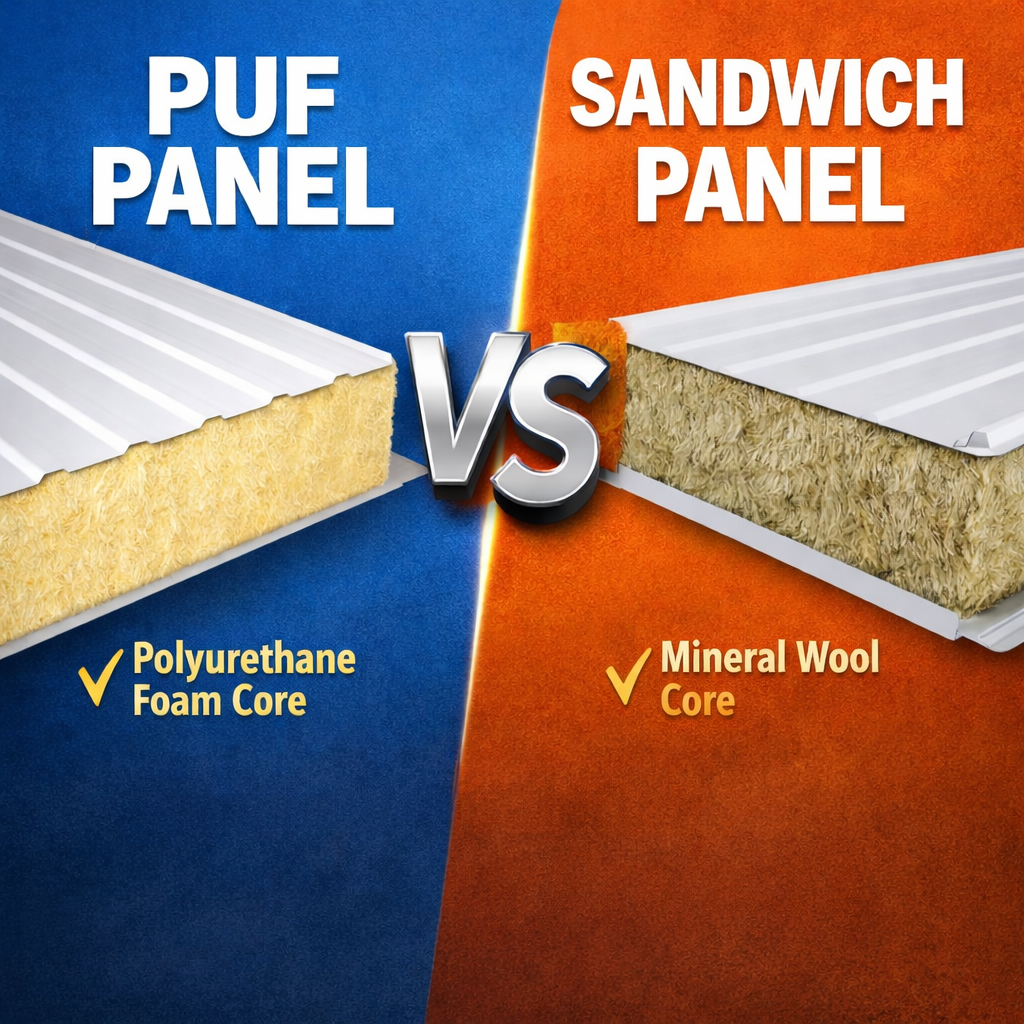
- Rigid PUF foam: Firm and lightweight, rigid foam is valued for its thermal insulation properties. It is used in cold rooms, refrigerators, insulated panels, roofs, walls and some pipe systems.
Foam properties vary according to its formulation, density, cell structure and manufacturing process. The right product depends on the intended use and the performance requirements.
Why Is PUF Foam Used?
One of the main advantages of rigid PUF foam is its ability to slow the movement of heat. This makes it useful in buildings and equipment that need to maintain a particular temperature. In applications such as cold storage, effective insulation can help reduce heat gain and support efficient operation.
PUF foam is also lightweight, can be moulded or cut to suit different designs, and is available in a range of densities and firmness levels. Flexible foam can provide cushioning and support, while rigid foam can help create insulated assemblies without adding excessive weight.
Common Applications
- Construction: Insulated roof and wall systems, building panels and pipe insulation.
- Cold-chain and refrigeration: Cold rooms, refrigerated vehicles, freezers and refrigerators.
- Furniture and bedding: Mattresses, cushions, sofas and office seating.
- Automotive: Seating, headrests, interior components and selected insulation applications.
- Packaging and specialist products: Protective packaging, moulded components and applications requiring tailored cushioning or insulation.
Choosing the Right PUF Foam
Before selecting PUF foam, consider where and how it will be used. Important factors may include:
- Whether flexible or rigid foam is required
- Density, thickness and, for flexible foam, firmness
- Thermal performance for insulation applications
- Expected loads, wear and service conditions
- Fire performance and compliance with applicable standards
- Compatibility with facings, adhesives and surrounding materials
- Installation requirements and the manufacturer’s product guidance
For building, industrial and cold-storage projects, specifications should be checked against relevant Indian regulations and project requirements. Product performance can differ between manufacturers, so technical data sheets and test documentation are useful when comparing options.
Installation and Safety
Good installation is essential to achieving the intended performance. Gaps, poor joints, moisture exposure or damage to the insulation layer can affect the results. Foam should be installed in accordance with the manufacturer’s instructions and protected where the application calls for a facing or protective covering.
Some PUF products are manufactured or installed using reactive chemicals. During handling and installation, follow the supplier’s safety guidance, use appropriate protective equipment and ensure suitable ventilation. Do not assume that every foam product has the same fire, smoke or chemical properties; check the documentation for the specific product.
Environmental Considerations
PUF foam can contribute to energy efficiency when correctly specified and installed, particularly in temperature-controlled spaces. At the same time, its environmental impact depends on factors such as the raw materials, blowing agents, product life and end-of-life handling. Recycling and recovery options can vary by product and location. For a project, ask suppliers about the product’s environmental information, durability and available disposal or recovery routes.
Conclusion
PUF foam is a widely used material because it can provide cushioning, lightweight construction and thermal insulation in a range of applications. Selecting the right type, checking verified performance information and following proper installation and safety practices are important for achieving reliable results.
5 Essential Tips for Choosing and Caring for PUF Foam
- Choose PU foam density based on the intended use.
- Check the foam’s firmness and comfort before buying.
- Keep PU foam away from flames and high heat.
- Use a washable cover to protect the foam from dust and spills.
- Allow new foam to air out in a well-ventilated space.
Choose PU foam density based on the intended use.
Choose PU foam density according to its intended use, as density affects the foam’s weight, firmness, durability and performance. For example, cushioning and mattresses may require a different density from furniture seats or insulation applications. Consider the expected load, frequency of use and required level of support, and check the manufacturer’s specifications before making a choice. Higher density does not automatically mean better performance for every purpose—the right option is the one suited to the application.
Check the foam’s firmness and comfort before buying.
Before buying PUF foam, check its firmness and comfort to ensure it suits your needs. Press the foam gently to see how quickly it returns to its original shape, and test how it feels when you sit or lie on it, if possible. The right firmness depends on the intended use—mattresses and seating may need different levels of support. Compare product specifications and try samples where available, as comfort can vary from one person to another.
Keep PU foam away from flames and high heat.
Keep PUF foam away from open flames, sparks and high heat, as it can ignite or be damaged when exposed to excessive temperatures. During installation and use, follow the manufacturer’s fire-safety instructions and keep suitable protective coverings in place where required. Do not place foam near heaters, hot equipment or other heat sources unless the product is specifically designed and approved for that application.
Use a washable cover to protect the foam from dust and spills.
Using a washable cover is a simple way to protect PUF foam from dust, spills and everyday wear. Choose a cover that fits well and is easy to remove, then wash it according to its care instructions. This helps keep the foam cleaner for longer; make sure the foam itself stays dry, as moisture can affect its condition.
Allow new foam to air out in a well-ventilated space.
When bringing new PUF foam into your home or workspace, allow it to air out in a well-ventilated area before use. Unpack it according to the manufacturer’s instructions and keep windows open or use good airflow to help any new-product odour dissipate. Follow the product guidance, and avoid placing the foam near heat or open flames while it airs.