
Choosing the Right PU Roller Manufacturer
Polyurethane (PU) rollers are used in a wide range of industries for moving, guiding, coating, printing and handling materials. Known for their resilience and versatility, these rollers can be manufactured in different sizes, hardness levels and formulations to suit specific operating conditions. Selecting a capable PU roller manufacturer is therefore an important step in achieving reliable performance and a long service life.
What Is a PU Roller?
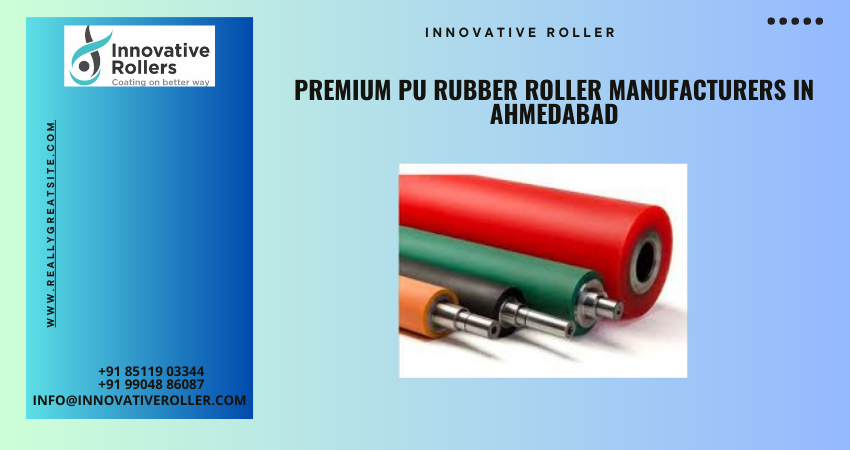
A PU roller typically consists of a polyurethane outer layer bonded to a metal or other suitable core. The polyurethane can be formulated to provide properties such as abrasion resistance, elasticity, load-bearing capacity and resistance to oils or certain chemicals. The right combination depends on how the roller will be used.
Applications Across Industries
PU rollers are used in applications including material handling, packaging, printing, textiles, paper processing, automotive production and manufacturing equipment. They may be used as drive rollers, conveyor rollers, feed rollers, guide rollers or coating rollers. Each application places different demands on the roller, from grip and precision to resistance to wear and impact.
What to Look for in a Manufacturer
- Application understanding: A knowledgeable manufacturer will ask about the operating environment, load, speed, contact material and expected duty cycle.
- Material options: Different PU formulations and hardness levels are suited to different requirements. The manufacturer should help identify an appropriate specification.
- Custom engineering: Roller dimensions, core design, bonding, surface finish and tolerances may need to match existing machinery or a particular production process.
- Consistent quality: Reliable manufacturing and inspection processes help ensure rollers meet agreed dimensional and performance requirements.
- Technical support: Clear guidance on installation, maintenance and replacement can help reduce avoidable downtime.
Important Factors When Specifying a PU Roller
Before requesting a quotation, gather key details about the application. These may include the roller’s overall dimensions, core material, operating temperature, working load, speed, contact surface and exposure to moisture, oils or chemicals. It is also useful to describe any performance issues with the existing roller, such as premature wear, slipping, marking or vibration.
Hardness is one factor to consider, but it should not be chosen in isolation. A softer roller may provide better grip or surface contact, while a harder grade may be preferred for dimensional stability or particular load conditions. The most suitable choice depends on the complete operating setup.
Why Manufacturing Quality Matters
The performance of a PU roller depends on more than the polyurethane material alone. Core preparation, bonding, moulding or casting, machining and finishing all contribute to the finished product. Accurate dimensions and a sound bond between the PU layer and core are especially important where rollers operate continuously or under load.
Regular inspection and appropriate maintenance can also help extend service life. Keeping rollers clean, checking for uneven wear and following the equipment supplier’s installation recommendations may support reliable operation.
Finding a Suitable PU Roller Manufacturer
When comparing manufacturers, look for clear communication, relevant application experience and the ability to provide rollers to your required specifications. Share accurate technical information and ask how the proposed material and design address the demands of your process. A well-specified PU roller can support efficient material handling, consistent production and reduced maintenance needs.
By considering the application, material properties and manufacturing quality together, businesses can make a more informed choice when selecting a PU roller manufacturer.
PU Roller Manufacturers in India: FAQs on Selection, Customisation, Applications, Quotations and Maintenance
- What factors should I consider when choosing a PU roller manufacturer in India?
- Can PU roller manufacturers produce rollers in custom sizes, hardness levels and specifications?
- Which industries commonly use polyurethane rollers?
- How can I request a quotation from a PU roller manufacturer?
- How do I maintain PU rollers to extend their service life?
What factors should I consider when choosing a PU roller manufacturer in India?
When choosing a PU roller manufacturer in India, consider their experience with your industry and application, the range and quality of polyurethane materials they offer, and their ability to manufacture rollers to your required dimensions, hardness and tolerances. Ask about quality checks, core preparation and bonding processes, as well as resistance to the specific loads, temperatures, chemicals or wear conditions involved. Reliable technical support, consistent lead times, clear pricing and responsive after-sales service are also important. Sharing detailed operating requirements with potential manufacturers can help you compare solutions and select a roller suited to your equipment and working conditions.
Can PU roller manufacturers produce rollers in custom sizes, hardness levels and specifications?
Yes, many PU roller manufacturers can produce rollers to suit specific applications, including custom diameters, lengths, core designs, hardness levels and surface finishes. Requirements such as load, operating speed, temperature, chemical exposure and the material being handled can influence the choice of polyurethane and roller construction. Share drawings or detailed measurements, along with the operating conditions, so the manufacturer can recommend a suitable specification and confirm what can be produced.
Which industries commonly use polyurethane rollers?
Polyurethane rollers are commonly used in material handling, packaging, printing, textile, paper, automotive and general manufacturing industries. Their durability, wear resistance and ability to be made in different hardness levels make them suitable for tasks such as conveying, feeding, guiding and coating materials. The right roller depends on the application, operating conditions and performance requirements.
How can I request a quotation from a PU roller manufacturer?
To request a quotation from a PU roller manufacturer, share your roller specifications, including dimensions, core material, polyurethane hardness, quantity and intended application. Details such as operating temperature, load, speed and exposure to oils or chemicals can help the manufacturer recommend a suitable option. If available, provide a drawing, sample or photographs, along with your delivery location and required timeline. The manufacturer can then assess your requirements and provide pricing, lead time and any technical recommendations.
How do I maintain PU rollers to extend their service life?
To extend the service life of PU rollers, clean them regularly using a soft cloth and a cleaning agent compatible with the polyurethane, and avoid harsh solvents or sharp tools that may damage the surface. Check periodically for uneven wear, cuts, cracking, contamination or signs of debonding, and ensure the rollers are correctly aligned and operating within their specified load, speed and temperature limits. Follow the manufacturer’s storage and maintenance guidance, and replace damaged rollers promptly to help prevent further wear to the equipment or materials being handled.