
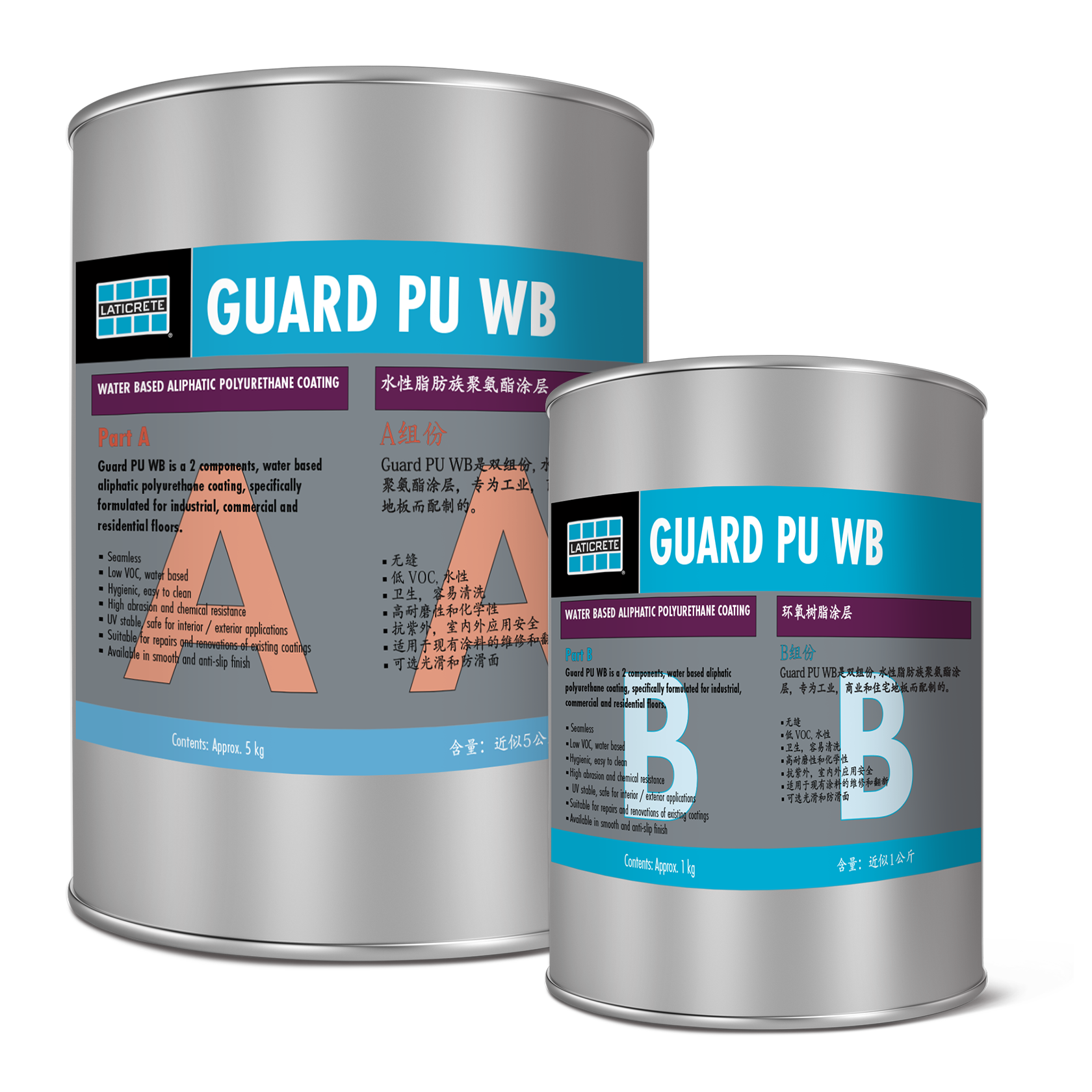
Water-Based PU Coating: Benefits, Applications and Key Considerations
Water-based polyurethane (PU) coating is a protective finish in which water is used as the main carrier for the polyurethane components. As the coating dries, the water evaporates and a polymer film forms on the surface. The result can be a durable, flexible finish suited to a range of materials and applications.
Water-based PU coatings are used in sectors such as furniture, flooring, textiles, leather, automotive interiors and construction. Their performance depends on the formulation, the surface being coated and the application conditions.
How Water-Based PU Coating Works
Water-based PU coatings are commonly supplied as dispersions of polyurethane particles in water. Some formulations are one-component products, while others require a separate hardener or cross-linker before use. After application, water evaporates and the particles come together to form a continuous coating. In two-component systems, a chemical reaction also helps develop the final film properties.
Depending on the product, the coating can provide a clear or coloured finish, with options ranging from matt to gloss. It may also be formulated to improve resistance to abrasion, chemicals, moisture or ultraviolet exposure.
Benefits of Water-Based PU Coatings
- Lower solvent content: Many water-based formulations contain fewer organic solvents than conventional solvent-based coatings. Check the product’s technical and safety data sheets for its actual composition and VOC content.
- Reduced solvent odour: They often have less solvent-related odour during application, which can be useful for indoor work. Adequate ventilation is still important.
- Flexible film properties: PU coatings can be formulated to create films that balance flexibility and surface protection.
- Versatility: Different formulations are available for substrates such as wood, textiles, leather, plastics and metals, subject to suitable preparation and compatibility testing.
- Appearance options: Products are available in a range of finishes, including clear, pigmented, matt and gloss.
Common Applications
Wood and Furniture
Water-based PU coatings are used on furniture, cabinets, doors and other interior woodwork. They can help protect the surface from everyday wear while retaining or enhancing the appearance of the wood. The choice of primer and topcoat should be matched to the wood species, intended use and desired finish.
Flooring
Specialist formulations are used on some wooden and engineered floors. For these applications, abrasion resistance, adhesion, drying time and maintenance requirements are important selection factors.
Textiles and Leather
PU coatings can be applied to fabrics and leather to provide a particular look, feel or level of surface protection. The coating must be selected for the material’s flexibility, intended use and required performance.
Automotive and Industrial Components
Water-based PU coatings are used in some interior trim and industrial applications where appearance, flexibility and surface durability are required. Each application may have specific requirements for heat, chemical or abrasion resistance.
Application and Drying
Good results depend on following the coating manufacturer’s instructions. A typical process includes:
- Prepare the surface: Ensure it is clean, dry and free from dust, oil, wax and other contaminants. Sand or prime where recommended.
- Check compatibility: Test the coating on a small or inconspicuous area, especially when working with plastics, previously coated surfaces or unfamiliar substrates.
- Mix as directed: Stir the product gently. If it is a two-component system, use the specified mixing ratio and observe the stated pot life.
- Apply evenly: Use the recommended brush, roller or spray equipment and apply the specified film thickness. Avoid applying too much product in one coat.
- Allow suitable drying conditions: Temperature, humidity, airflow and film thickness all affect drying. Low temperatures and high humidity can slow the process.
- Allow full curing: A coating may feel dry before it has reached its final performance. Follow the product guidance before heavy use, cleaning or stacking coated items.
Limitations and Points to Consider
Water-based does not mean that a coating is harmless or suitable for every surface. Some formulations may require careful handling, ventilation and personal protective equipment. Performance can also vary significantly between products.
Water-based coatings can be sensitive to application conditions, and drying may take longer in cool or humid environments. They may also raise the grain of some wood surfaces, making sanding between coats necessary. Adhesion, chemical resistance and water resistance should be confirmed for the intended application rather than assumed.
For best results, review the technical data sheet and safety data sheet, follow the recommended application procedure and carry out a trial before large-scale use.
Choosing the Right Water-Based PU Coating
When selecting a coating, consider the substrate, indoor or outdoor exposure, expected wear, desired appearance, application method and curing time. Ask the supplier about adhesion, abrasion resistance, chemical resistance, flexibility, VOC content and suitability for the relevant end use. A coating designed for furniture, for example, may not meet the performance needs of a floor or an exterior component.
Conclusion
Water-based PU coating offers a versatile finishing option for applications that need a protective and attractive surface. Its lower solvent content compared with many conventional solvent-based alternatives can make it a useful choice, but the right product and application method are essential. Careful surface preparation, suitable drying conditions and compliance with product instructions help achieve consistent results.
Water-Based PU Coating: 8 FAQs on Waterproofing, Wood Application, Aquadur Pricing and More
- Is Aquadur PU waterproof?
- How do you apply PU coating to wood?
- Is PU waterproof?
- What are the downsides of using water-based polyurethane?
- What is the price of Aquadur PU paint?
- Which polyurethane is best for waterproofing?
- What are water-based coatings?
- What is water based PU paint?
Is Aquadur PU waterproof?
Aquadur PU may provide water resistance once fully cured, but whether it is suitable for waterproofing depends on the specific product and application. A protective coating is not necessarily a waterproof barrier, particularly in areas exposed to standing water, continuous moisture or outdoor weather. Check the product’s technical data sheet for its water-resistance rating and intended use, and follow the recommended application and curing instructions.
How do you apply PU coating to wood?
To apply water-based PU coating to wood, first ensure the surface is clean, dry and free from dust, grease or old loose finish. Sand it smooth, remove the sanding dust and apply a compatible primer if the product instructions recommend one. Stir the coating gently and apply a thin, even coat using a suitable brush, roller or spray equipment. Allow it to dry as directed, then lightly sand between coats if required and remove the dust before applying additional coats. Drying time can vary with temperature, humidity and film thickness, so follow the product’s technical data sheet and allow the coating to cure fully before regular use.
Is PU waterproof?
PU (polyurethane) coatings can provide good water resistance, but they are not automatically completely waterproof. Performance depends on the coating’s formulation, film thickness, surface preparation and application quality. Some products are designed to withstand splashes and moisture, while others may be suitable for more demanding exposure when correctly applied and fully cured. Check the manufacturer’s technical data sheet to confirm suitability for the intended use, and remember that gaps, cracks or damaged areas can allow water to penetrate.
What are the downsides of using water-based polyurethane?
Water-based polyurethane can have a few limitations compared with some solvent-based alternatives. It may take longer to dry in cool or humid conditions, and the finish can be sensitive to application technique, surface preparation and film thickness. On wood, it may raise the grain, so light sanding between coats may be needed. Some products may also offer lower resistance to abrasion, chemicals or moisture, depending on the formulation and intended use. Check the product’s technical data sheet, allow adequate curing time and test it on a small area before applying it to the entire surface.
What is the price of Aquadur PU paint?
The price of Aquadur PU paint can vary depending on the product variant, pack size, finish and seller. For the latest price in your area, contact an authorised Aquadur dealer or request a quotation, and confirm whether the quoted amount includes GST and delivery.
Which polyurethane is best for waterproofing?
There is no single polyurethane that is best for every waterproofing job. For roofs or terraces exposed to sunlight, a UV-resistant aliphatic polyurethane membrane is often preferred, while aromatic PU systems are commonly used in areas where they are protected by a topcoat or covering. Water-based PU coatings may suit certain applications, but check that the product is specifically rated for waterproofing and matches the substrate, exposure and expected movement. Look for tested water resistance, crack-bridging ability, adhesion and the required dry-film thickness, and follow the manufacturer’s application instructions.
What are water-based coatings?
Water-based coatings are surface finishes in which water is the main carrier for the coating ingredients, such as resins, pigments and additives. After application, the water evaporates, leaving a protective film on the surface. Water-based polyurethane (PU) coatings use polyurethane to provide properties such as flexibility and resistance to everyday wear. Their performance and VOC content vary by product, so check the manufacturer’s technical and safety data sheets for details.
What is water based PU paint?
Water-based PU paint is a polyurethane coating in which water is the main carrier instead of a large proportion of organic solvents. As it dries, the water evaporates and the polyurethane forms a protective film on the surface. It is available in different colours and finishes and is commonly used on materials such as wood, furniture and some textiles. Its durability, drying time and suitability depend on the specific formulation and application, so check the product instructions before use.