
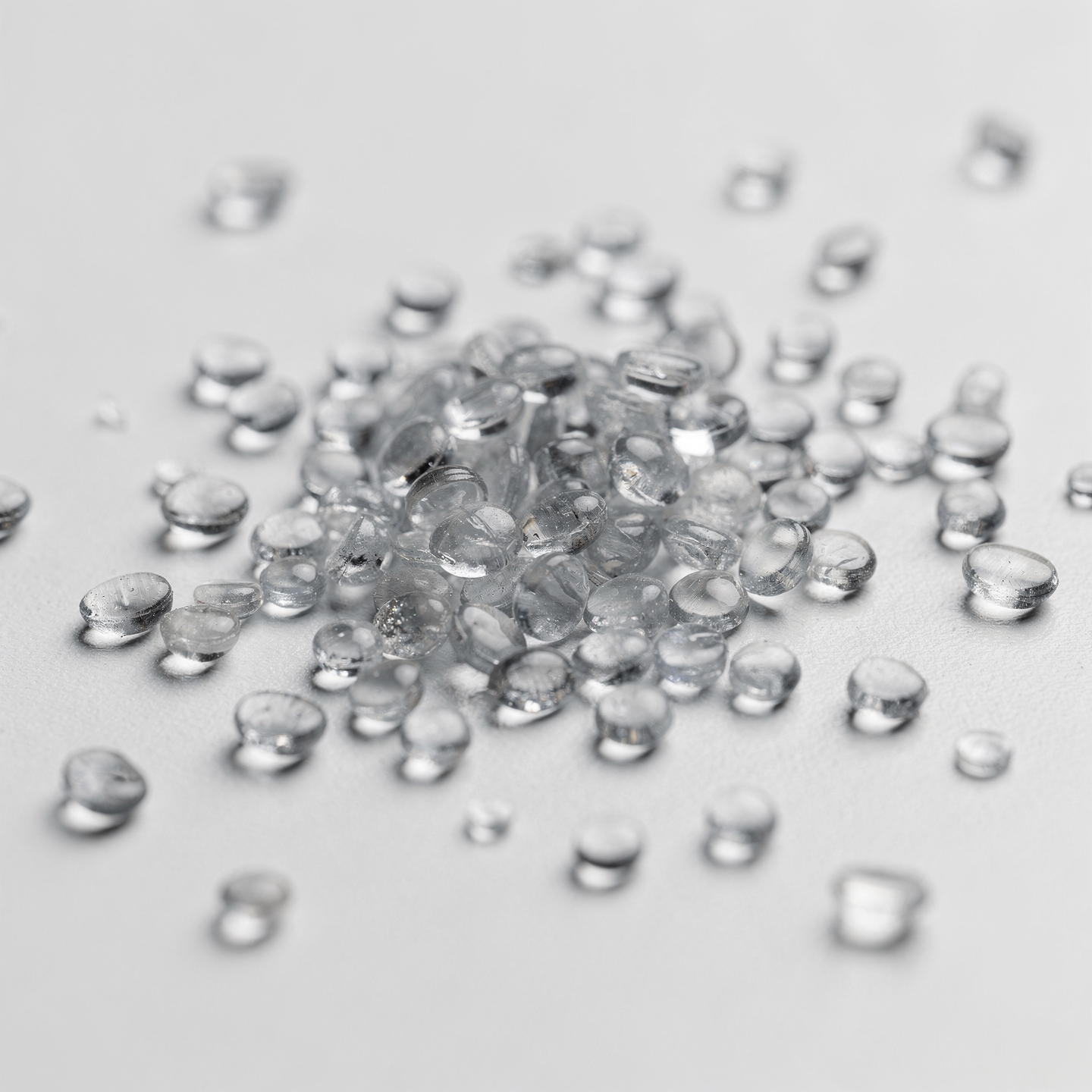
Thermoplastic Polyurethane Resin: Properties, Processing and Applications
Thermoplastic polyurethane (TPU) resin is a versatile polymer known for combining the flexibility of rubber with the strength and processability of plastic. It is used in products that need to withstand repeated bending, abrasion and impact, while retaining a comfortable, resilient feel. From footwear and automotive components to cables and protective films, TPU serves a wide range of industries.
What is thermoplastic polyurethane?
TPU is a type of thermoplastic elastomer. It is made by combining polyurethane-forming ingredients into a polymer structure that has both soft and hard segments. The soft segments contribute flexibility and elasticity, while the hard segments provide strength and help the material retain its shape.
Unlike conventional thermoset polyurethane, which forms a permanently cross-linked structure during curing, TPU can be softened by heat and shaped using suitable thermoplastic processing methods. This makes it possible to manufacture TPU components efficiently and, in some cases, reprocess production scrap.
Key properties of TPU resin
The properties of TPU vary according to its formulation and grade. Common characteristics include:
- Elasticity: TPU can stretch and recover its shape, making it useful for flexible components.
- Abrasion resistance: Many grades perform well in applications exposed to rubbing and surface wear.
- Impact resistance: TPU can absorb shocks and impacts, including in some low-temperature conditions.
- Flexibility: It is available in a range of hardness levels, from soft and supple to firm and rigid.
- Resistance to oils and chemicals: Performance depends on the grade and the specific substance involved.
- Transparency and colourability: Certain grades can be made clear or coloured to suit product requirements.
- Good processing versatility: TPU can be moulded or extruded using equipment designed for thermoplastics, subject to grade-specific conditions.
No single TPU grade offers the same performance in every environment. Factors such as temperature, moisture, ultraviolet exposure and contact with chemicals should be considered when selecting a material.
Polyester-based and polyether-based TPU
TPU resins are commonly grouped by the type of soft segment used in their formulation. Two widely used categories are polyester-based and polyether-based TPU.
- Polyester-based TPU is often selected for its mechanical strength and resistance to oils, greases and abrasion. Its suitability should be assessed carefully in applications involving prolonged exposure to moisture.
- Polyether-based TPU is often considered where flexibility at low temperatures or resistance to hydrolysis is important. The precise performance depends on the formulation and operating conditions.
These are general distinctions rather than guarantees. Manufacturers’ technical data should be reviewed against the needs of the application.
How TPU resin is processed
TPU can be processed using methods such as injection moulding, extrusion, blow moulding and, for suitable grades, film or sheet production. The choice of process depends on the product design, required properties and resin grade.
Moisture control is an important part of processing. Many TPU grades absorb moisture from the air, and excess moisture during melting can affect the appearance and quality of the finished product. Resin may therefore need to be dried according to the supplier’s recommendations. Processing temperatures, screw design and other settings should also follow the technical guidance for the selected grade.
Applications of TPU
The balance of flexibility, durability and processability makes TPU suitable for many applications, including:
- Footwear: Soles, heel components and flexible shoe parts.
- Automotive: Interior components, protective covers, seals and selected under-the-hood parts.
- Electrical and electronics: Cable jackets, wire insulation and protective components.
- Industrial products: Hoses, belts, rollers, wheels and abrasion-resistant parts.
- Consumer goods: Sporting goods, tool grips, flexible cases and wearable accessories.
- Medical and healthcare products: Tubing and other components made from grades designed for the intended use and applicable requirements.
- Films and coatings: Protective films and flexible layers where toughness and elasticity are required.
Choosing the right TPU grade
Material selection begins with the product’s operating conditions. Consider the required hardness, flexibility, tensile strength, abrasion resistance, transparency and colour. Also assess exposure to water, oils, cleaning agents, sunlight and temperature changes.
Processing requirements matter too. The grade must be compatible with the manufacturing method and equipment. For products with regulatory, safety or hygiene requirements, verify that the specific grade has the necessary approvals and documentation. Testing a sample under realistic conditions is a practical way to confirm performance before full-scale production.
Recycling and sustainability considerations
As a thermoplastic, TPU can often be melted and reshaped, and suitable production scrap may be reused. However, recycling depends on factors such as material cleanliness, grade compatibility and the capabilities of available recycling systems. Repeated processing can also affect material properties.
Designing products for longer service life and selecting the right grade for the intended environment can help reduce premature replacement. Manufacturers should consult resin suppliers and local recycling partners to understand practical end-of-life options.
Conclusion
Thermoplastic polyurethane resin offers a useful combination of elasticity, toughness and manufacturing flexibility. Its broad range of grades allows it to serve applications across footwear, automotive, electrical, industrial and consumer markets. By matching the resin type and processing conditions to the product’s real-world requirements, manufacturers can make the most of TPU’s performance and versatility.
7 Essential Tips for Handling and Processing Thermoplastic Polyurethane (TPU) Resin
- Choose a TPU grade suited to your application and hardness needs.
- Dry the resin as specified to prevent bubbles and defects.
- Store pellets sealed in a cool, dry place.
- Follow the supplier’s temperature settings during processing.
- Use clean equipment to avoid contamination.
- Ensure good ventilation when processing TPU.
- Recycle scrap only if it meets your quality requirements.
Choose a TPU grade suited to your application and hardness needs.
Choose a thermoplastic polyurethane (TPU) grade that matches both the demands of your application and the required hardness. Softer grades offer greater flexibility and a rubber-like feel, while harder grades provide more stiffness and support. Also consider factors such as abrasion resistance, exposure to oils or moisture, operating temperature and the manufacturing process. Check the supplier’s technical data and, where possible, test the grade under actual use conditions before making a final selection.
Dry the resin as specified to prevent bubbles and defects.
Dry thermoplastic polyurethane (TPU) resin as specified by the supplier before processing. TPU can absorb moisture from the air, and excess moisture may create bubbles, surface imperfections or other defects in the finished product. Follow the recommended drying temperature and duration, and store dried resin in a sealed container until use.
Store pellets sealed in a cool, dry place.
Store thermoplastic polyurethane (TPU) resin pellets in a sealed container or moisture-resistant bag in a cool, dry place. Keeping the packaging closed helps prevent the pellets from absorbing moisture, which can affect processing and the quality of the finished product. Follow the supplier’s storage and drying recommendations, and reseal opened packaging promptly.
Follow the supplier’s temperature settings during processing.
Follow the supplier’s recommended temperature settings when processing thermoplastic polyurethane (TPU) resin. The correct temperature range helps the material melt and flow consistently, supporting good surface finish and reliable part quality. Temperatures that are too high may cause material degradation, while temperatures that are too low can lead to poor flow or incomplete mould filling. As processing requirements vary by grade and equipment, check the technical data sheet and confirm settings before production.
Use clean equipment to avoid contamination.
Use clean equipment when processing thermoplastic polyurethane (TPU) resin to help prevent contamination and maintain consistent product quality. Residues from other polymers, colourants, oils or cleaning agents can affect the resin’s appearance, processing behaviour and final properties. Before production, clean the hopper, barrel, screw, mould and conveying lines, and ensure they are fully dry where required. Follow the equipment and resin supplier’s cleaning recommendations, particularly when changing materials or colours.
Ensure good ventilation when processing TPU.
Ensure good ventilation when processing thermoplastic polyurethane (TPU) resin. Heating and processing the material may release fumes or vapours, depending on the grade and operating conditions. Use effective local exhaust ventilation near the processing equipment, follow the resin supplier’s safety data sheet and keep the work area well ventilated. Proper ventilation helps maintain a safer and more comfortable workplace for operators.
Recycle scrap only if it meets your quality requirements.
Recycle thermoplastic polyurethane (TPU) scrap only when it meets your quality requirements. Keep scrap clean and separate by grade, colour and material type, as contamination or mixing can affect processing and the performance of the finished product. Before reusing it, check that its properties remain suitable for the application and follow the resin supplier’s recommendations. If the scrap cannot meet the required specifications, use an appropriate recycling or disposal route instead.