
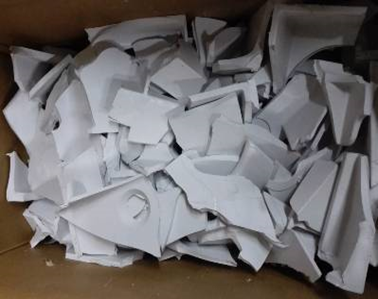
Recycled Polyurethane Foam: Turning Waste into Useful Materials
Polyurethane (PU) foam is used in many everyday products, including mattresses, furniture, vehicle interiors, footwear, insulation and packaging. Its light weight, cushioning and insulating properties make it versatile. However, used products and manufacturing offcuts can create a significant waste stream. Recycling polyurethane foam can help recover value from this material and reduce the amount sent for disposal.
What Is Recycled Polyurethane Foam?
Recycled polyurethane foam is foam made partly or wholly from recovered polyurethane materials. These materials may come from factory production scrap, damaged products or items collected at the end of their useful life. The recycling method depends on the foam type, its condition and the intended use of the recovered material.
How Is Polyurethane Foam Recycled?
Mechanical recycling
Mechanical recycling processes foam without breaking down its chemical structure. The foam is sorted, cleaned and cut or ground into smaller pieces. One common approach is rebonding: foam pieces are combined with a binder and compressed into blocks or sheets. These can then be used in products such as carpet underlay, cushioning, acoustic panels and protective packaging.
Another option is to use shredded foam as filling for cushions or other products. The suitability of this material depends on factors such as cleanliness, particle size and the performance requirements of the finished product.
Chemical recycling
Chemical recycling uses processes that break polyurethane down into chemical building blocks or intermediate materials. Techniques such as glycolysis can produce recovered polyols, which may be used in the manufacture of new polyurethane products. The quality and application of the recovered material depend on the feedstock and the process used.
Chemical recycling can offer a route for foam that is unsuitable for some mechanical applications. However, it requires careful process control, suitable infrastructure and assessment of the recovered chemicals before they are used again.
Benefits of Recycling PU Foam
- Less waste for disposal: Recycling can divert suitable foam from landfill or other disposal routes.
- Better use of resources: Recovered foam or chemicals can replace some virgin raw materials in selected applications.
- New product opportunities: Recycled foam can be used in cushioning, underlay, insulation-related products, packaging and other applications, subject to performance requirements.
- Support for circular practices: Collection, sorting and recycling can help manufacturers and product users make better use of materials across a product’s life cycle.
Challenges to Consider
Recycling polyurethane foam is not always straightforward. Foam products may contain different formulations, fabrics, adhesives, coatings, fasteners or other materials. These components can make separation and processing more difficult. Used foam may also be contaminated, damaged or difficult to collect economically because it is bulky and lightweight.
Recycled material may not perform in exactly the same way as virgin material. Its strength, resilience, appearance and consistency can vary, so it should be tested against the requirements of its intended application. Recycling is also only one part of responsible material management: product design, durability, repair, collection and appropriate end-of-life treatment all matter.
How Businesses Can Support Foam Recycling
Businesses can begin by identifying the type and quantity of foam waste they generate. Keeping clean production offcuts separate from mixed or contaminated waste can make recovery easier. Working with qualified recyclers, specifying recycled content where suitable and designing products for easier disassembly can also support better outcomes.
For consumers, following local collection and disposal guidance is important. Mattresses and large foam products may need to be handled through designated collection or recycling services rather than placed in ordinary household bins.
The Way Forward
Recycled polyurethane foam can help recover value from a material used across many industries. Mechanical recycling is already useful for creating products such as rebonded cushioning, while chemical recycling offers options for recovering components for further manufacturing. Continued progress will depend on effective collection, better sorting, appropriate technology and clear quality standards.
By considering recyclability alongside product performance and durability, manufacturers, recyclers and users can help build more responsible pathways for polyurethane foam.
7 Practical Tips for Reusing and Recycling Polyurethane Foam
- Choose recycled polyurethane foam to reduce landfill waste.
- Check that the foam is clean and dry before reuse.
- Use foam offcuts as padding or cushioning.
- Shredded foam can fill cushions and bean bags.
- Bonded foam is useful for carpet underlay and gym mats.
- Keep foam separate from fabric, metal and other waste.
- Never burn polyurethane foam; use an authorised recycler.
Choose recycled polyurethane foam to reduce landfill waste.
Choose recycled polyurethane foam wherever it suits the product’s performance needs. It gives recovered foam a new use and can help reduce the amount of waste sent to landfill. Check that the material meets the required quality and safety standards for its intended application.
Check that the foam is clean and dry before reuse.
Before reusing recycled polyurethane foam, check that it is clean and completely dry. Dust, dirt, oils or other contaminants can affect its quality, while moisture may encourage mould or cause unpleasant odours. If needed, clean the foam using a method suitable for its type and allow it to dry thoroughly before putting it to use.
Use foam offcuts as padding or cushioning.
Foam offcuts can be reused as padding or cushioning instead of being discarded. Clean, undamaged pieces may be cut to size and used to protect items during storage or transport, or added to suitable cushions and upholstery projects. Keep different foam types separate, and check that the offcuts are clean and appropriate for their intended use.
Shredded foam can fill cushions and bean bags.
Shredded recycled polyurethane foam can be used as filling for cushions and bean bags, giving clean, suitable foam offcuts a useful second life. It provides soft, flexible support and can be blended with other filling materials to achieve the desired feel. Choose foam that is clean, dry and free from unwanted materials, and use a washable, securely stitched cover to help keep the filling in place.
Bonded foam is useful for carpet underlay and gym mats.
Bonded foam, made by compressing small pieces of recycled polyurethane foam with a binder, is a practical material for carpet underlay and gym mats. Its cushioning helps absorb impact and improve comfort, while its density can provide support and durability for everyday use. By giving foam offcuts and other suitable recovered materials a new purpose, bonded foam can also help reduce waste. The right grade should be selected for the intended application, as performance can vary depending on the foam and manufacturing process.
Keep foam separate from fabric, metal and other waste.
Keeping polyurethane foam separate from fabric, metal and other waste makes recycling easier and more effective. Mixed materials can contaminate the foam or require extra sorting, increasing processing time and cost. Where possible, remove covers, fasteners and other attached materials, and store clean foam separately before sending it to a suitable recycler.
Never burn polyurethane foam; use an authorised recycler.
Never burn polyurethane foam. Burning it can release hazardous smoke and harmful substances, creating risks to people and the environment. Instead, keep foam separate from general waste where possible and contact an authorised recycler or your local waste-management service for safe collection and disposal.