
Moulded Urethane Foam: A Versatile Material for Modern Products
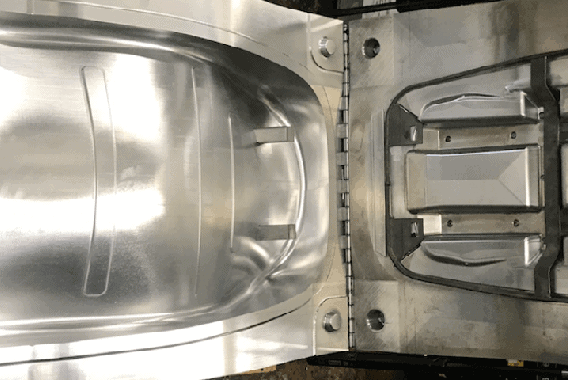
Moulded urethane foam, commonly known as moulded polyurethane (PU) foam, is a lightweight material formed by reacting polyurethane ingredients inside a shaped mould. The process creates foam that can match a product’s contours and meet specific requirements for comfort, support, cushioning or impact protection.
How Is Moulded Urethane Foam Made?
Polyurethane foam is produced by mixing chemical components that react and expand. For moulded foam, the mixture is placed or injected into a mould. As it rises and cures, it takes the shape of the mould and develops the required physical properties. The finished part is then removed and may be trimmed or assembled with other components.
Manufacturers can adjust the formulation and moulding conditions to create different levels of firmness, density, resilience and flexibility. Inserts, fabric coverings or other materials may also be incorporated during production, depending on the design.
Types and Key Properties
Moulded PU foam is not a single, standard material. Its properties vary according to its formulation and intended use. Common characteristics include:
- Comfort and support: Foam can be designed to cushion the body while providing suitable support.
- Shape flexibility: Moulding makes it possible to produce complex contours, curves and integrated features.
- Energy absorption: Certain formulations can help absorb impact and vibration.
- Low weight: Foam components can provide cushioning without adding the weight of many solid materials.
- Design versatility: Density, firmness and resilience can be selected to suit the application.
Where Is It Used?
Moulded urethane foam is used in a broad range of products. Applications include seating and headrests in cars and other vehicles, office and home furniture, mattresses, medical and rehabilitation products, protective packaging, and equipment that requires cushioning or vibration control. The right grade depends on the demands of the product, such as comfort, durability, load-bearing capacity and exposure to the environment.
Advantages of the Moulding Process
Moulding can produce components with consistent shapes and carefully controlled dimensions. It is especially useful when a part needs to fit a particular space or provide support in a specific area. The process can also reduce the need to cut and assemble several separate foam pieces, helping manufacturers create integrated designs.
For products made in larger quantities, moulding may offer an efficient way to produce repeatable components. However, mould design and tooling require investment, so the process should be selected with production volume, part complexity and performance requirements in mind.
Choosing the Right Foam
When selecting moulded PU foam, manufacturers and product designers should consider how the component will be used throughout its service life. Important factors include the required firmness and density, expected loads, comfort, durability, temperature conditions, fire-safety requirements and any relevant industry standards. Testing under realistic conditions helps confirm that the chosen foam performs as intended.
Responsible Manufacturing and Handling
Polyurethane production involves chemical ingredients that must be handled by trained personnel using suitable equipment and controls. Manufacturers should follow applicable safety requirements, provide appropriate worker protection and manage process materials responsibly. Product designers can also consider durability, material use, repairability and end-of-life options when developing foam products.
Conclusion
Moulded urethane foam combines cushioning, design flexibility and adaptable performance in a wide variety of products. By matching the foam formulation and moulding process to the application, manufacturers can create components that deliver the required balance of comfort, support, weight and durability.
Moulded Urethane Foam: 8 Frequently Asked Questions
- What is moulded urethane foam?
- How is moulded urethane foam manufactured?
- What are the main uses of moulded urethane foam?
- What properties can be customised in moulded urethane foam?
- How do I choose the right density and firmness for my application?
- How durable is moulded urethane foam?
- Is moulded urethane foam safe and does it meet fire-safety requirements?
- Can moulded urethane foam be recycled or reused?
What is moulded urethane foam?
Moulded urethane foam, also called moulded polyurethane (PU) foam, is a lightweight cushioning material made by mixing polyurethane ingredients inside a shaped mould. As the mixture expands and cures, it takes the mould’s form, allowing manufacturers to produce components with specific shapes, densities and levels of firmness or support. It is commonly used in vehicle seating, furniture, mattresses, packaging and other products that need cushioning or impact absorption.
How is moulded urethane foam manufactured?
Moulded urethane foam is made by mixing polyurethane ingredients—typically polyols and isocyanates, along with catalysts and other additives—and pouring or injecting the mixture into a shaped mould. The mixture reacts and expands to fill the mould, then cures into a foam component with the required shape and properties. Once cured, the part is removed, trimmed if needed and checked for quality.
What are the main uses of moulded urethane foam?
Moulded urethane foam is used in many products that need cushioning, comfort, support or impact absorption. Common applications include vehicle seats, headrests and armrests; furniture and mattresses; medical and rehabilitation products; protective packaging; and components designed to reduce vibration or absorb shocks. Its ability to be formed into complex shapes and made in different levels of firmness and density makes it suitable for a wide range of industrial and consumer applications.
What properties can be customised in moulded urethane foam?
Moulded urethane foam can be customised to suit the needs of a specific product. Depending on the formulation and moulding process, manufacturers can adjust properties such as density, firmness, resilience, flexibility, cushioning, load-bearing capacity and energy absorption. The foam’s shape, dimensions, surface finish and colour may also be tailored, while features such as inserts or fabric coverings can be incorporated where required. The best combination depends on the intended application and its comfort, durability, safety and performance requirements.
How do I choose the right density and firmness for my application?
Choose density and firmness based on how the foam will be used, the load it must support and the comfort or cushioning required. Density affects the amount of material in the foam and is often linked to durability, while firmness describes how the foam feels and how much it compresses under pressure; they are related but not interchangeable. For seating, consider the user, posture and expected hours of use; for packaging or impact protection, consider the weight and fragility of the item and the level of cushioning needed. Also account for operating temperature, exposure to moisture or chemicals, and any applicable safety or performance standards. Consult a foam supplier and test samples under realistic conditions before finalising the specification.
How durable is moulded urethane foam?
The durability of moulded urethane foam depends on its formulation, density, design and operating conditions. Foam selected for the intended load and use can provide long-lasting cushioning and support, even with repeated compression. Exposure to excessive heat, sunlight, moisture, chemicals or loads beyond its rating can shorten its service life. Choosing the right grade and following care and maintenance guidance help maximise durability.
Is moulded urethane foam safe and does it meet fire-safety requirements?
Moulded urethane foam can be safe for its intended use when it is properly manufactured, fully cured and used as specified; however, fire performance varies by formulation and does not automatically meet every requirement. Check the product’s test reports and certifications against the fire-safety standards applicable to its use, and assess the complete finished product, as coverings and other components can affect performance. During manufacture, polyurethane chemicals should be handled by trained personnel using appropriate safety controls.
Can moulded urethane foam be recycled or reused?
Yes, moulded urethane foam can sometimes be reused or recycled, depending on its condition, formulation and available facilities. Clean, undamaged pieces may be reused, while scrap foam can be shredded and bonded into products such as carpet underlay or cushioning. Some specialist processes can recover materials from polyurethane foam, but these are not available everywhere. Check with the manufacturer or a local recycling service for accepted options, and avoid placing foam in household recycling unless the service specifically accepts it.