
Moulded PU Foam: A Versatile Material for Comfort and Performance
Moulded polyurethane (PU) foam is a versatile material made by forming polyurethane foam inside a shaped mould. The process allows manufacturers to create components with specific dimensions, contours and performance characteristics. From vehicle seats to furniture and packaging, moulded PU foam is used in products where comfort, support, cushioning or insulation is important.
What Is Moulded PU Foam?
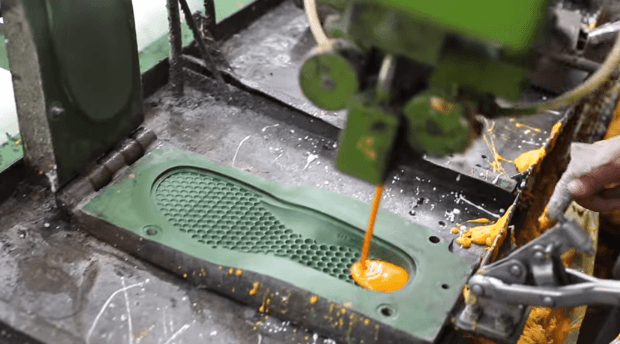
Polyurethane foam is produced through a chemical reaction involving polyols and isocyanates, together with other ingredients selected for the required formulation. In moulding, the reacting mixture is introduced into a mould, where it expands or cures to take on the mould’s shape. The finished component may include detailed contours, integrated features and consistent dimensions.
Moulded PU foam can be flexible, semi-rigid or rigid. Flexible grades are commonly used for cushioning, while rigid grades are used where structural support or thermal insulation is required. The formulation and production method determine the foam’s properties and intended application.
How Is It Made?
The moulding process generally involves preparing and mixing the formulation, dispensing it into a mould, allowing it to expand and cure, and then removing the finished part. Depending on the product, further steps may include trimming, inspection or the addition of covers and other components.
Manufacturers can adjust factors such as formulation, mould design and processing conditions to achieve the required shape, feel, resilience and durability. Careful process control is important for producing components that meet consistent quality specifications.
Key Characteristics
- Shape flexibility: Foam can be moulded into complex contours and tailored designs.
- Comfort and support: Flexible grades can be engineered to provide different levels of softness, firmness and resilience.
- Light weight: PU foam can provide cushioning or support without adding substantial weight.
- Design integration: Moulding can help incorporate features such as shaped edges, channels and attachment points into a component.
- Formulation options: Properties can be adapted for different performance and end-use requirements.
Performance depends on the particular formulation and how the foam is designed and manufactured. Density alone does not determine comfort, durability or suitability; factors such as firmness, resilience, cell structure and component design also matter.
Common Applications
Moulded PU foam is used across a range of industries, including:
- Automotive: Seat cushions, backrests, head restraints and armrests.
- Furniture: Moulded cushions and shaped support components.
- Healthcare and personal care: Selected cushioning and support products designed for particular needs.
- Packaging: Protective inserts shaped to hold and cushion products.
- Appliances and equipment: Components for cushioning, support or insulation, depending on the foam type.
Advantages of the Moulding Process
Moulding is useful when a product requires a defined shape, repeatable dimensions or carefully designed comfort zones. It can also support efficient production of complex parts and reduce the need to assemble several separately shaped foam pieces. The best manufacturing method depends on the product design, required production volume and performance specifications.
Quality, Safety and Sustainability
Quality checks may assess dimensions, appearance and relevant performance properties. Requirements vary according to the product and its intended use. For applications such as automotive interiors, manufacturers and buyers should also consider applicable standards and requirements for fire performance, emissions and durability.
As with other chemical manufacturing processes, the production of PU foam requires appropriate handling procedures, ventilation, training and personal protective equipment. Finished products should be used in accordance with their intended application and relevant safety guidance.
Improving the environmental profile of moulded PU foam can involve reducing production waste, extending product life and exploring suitable recovery or recycling routes. Options depend on the foam type, product design and available infrastructure. Designing components with their full life cycle in mind can help support more responsible material use.
Choosing the Right Moulded PU Foam
When selecting a moulded PU foam component, consider its application, required shape, comfort or support needs, operating conditions and relevant regulatory requirements. Working closely with a qualified foam manufacturer can help ensure that the formulation and mould design are suited to the intended product.
With its adaptability and wide range of possible properties, moulded PU foam remains an important material for products that combine carefully shaped design with cushioning, support or insulation.
Moulded PU Foam: 9 Frequently Asked Questions
- What is moulded PU foam?
- How is moulded PU foam manufactured?
- What are the main uses of moulded PU foam?
- What is the difference between moulded PU foam and slabstock foam?
- What factors affect the comfort and durability of moulded PU foam?
- Can moulded PU foam be made in different shapes, densities and firmness levels?
- Is moulded PU foam suitable for automotive and furniture applications?
- How should moulded PU foam products be cleaned and maintained?
- Is moulded PU foam recyclable or environmentally friendly?
What is moulded PU foam?
Moulded PU foam is polyurethane foam produced by placing a reactive mixture into a shaped mould, where it expands and cures to form a component with a specific design and dimensions. It can be made in different levels of firmness and flexibility, making it suitable for applications such as vehicle seats, furniture, cushioning and insulation.
How is moulded PU foam manufactured?
Moulded PU foam is manufactured by mixing polyols, isocyanates and other formulation ingredients, then dispensing the mixture into a mould designed to create the required shape. The mixture reacts and expands or cures inside the mould, forming a foam component with defined contours and dimensions. Once cured, the part is removed and may be trimmed, inspected or finished. The formulation and processing conditions are adjusted to achieve the properties needed for its intended use.
What are the main uses of moulded PU foam?
Moulded PU foam is used in a wide range of products that need shaped cushioning, support or insulation. Common applications include vehicle seats, backrests, head restraints and armrests; furniture cushions; protective packaging inserts; and components for appliances and equipment. Depending on its formulation, it can also be used in selected healthcare and personal-care products. Its ability to be moulded into specific shapes makes it suitable for parts designed to meet particular comfort, fit and performance requirements.
What is the difference between moulded PU foam and slabstock foam?
Moulded PU foam is produced by pouring or injecting the foam formulation into a shaped mould, so it cures into a component with specific contours and dimensions—such as a vehicle seat cushion. Slabstock foam is made as large, continuous blocks or bun-shaped slabs, which are then cut into sheets or shapes for use in products such as mattresses and upholstery. In general, moulding is suited to components that need complex shapes or consistent, integrated features, while slabstock is suited to applications requiring cut pieces in a range of sizes and thicknesses. The best option depends on the product design, performance needs and production requirements.
What factors affect the comfort and durability of moulded PU foam?
The comfort and durability of moulded PU foam depend on several factors, including its formulation, density, firmness, resilience and cell structure, as well as the shape and design of the component. The intended use, frequency of use, load, temperature and exposure to moisture or sunlight can also affect how the foam performs over time. Consistent manufacturing and suitable covers or protective finishes may help preserve its feel and service life. As comfort and durability requirements vary by application, the foam should be selected and tested for its intended use.
Can moulded PU foam be made in different shapes, densities and firmness levels?
Yes. Moulded PU foam can be produced in a wide range of shapes, densities and firmness levels to suit different applications. The mould determines the component’s shape, while the foam formulation and manufacturing process influence properties such as density, softness, support and resilience. These can be tailored to requirements for products including vehicle seats, furniture cushions and protective packaging. Actual options depend on the product design and the manufacturer’s capabilities.
Is moulded PU foam suitable for automotive and furniture applications?
Yes, moulded PU foam is widely used in both automotive and furniture applications. Its shape, firmness and resilience can be tailored to suit components such as vehicle seat cushions, backrests and head restraints, as well as moulded furniture cushions. The right foam depends on the product’s comfort, support, durability and safety requirements, so specifications should be selected with the manufacturer and relevant standards in mind.
How should moulded PU foam products be cleaned and maintained?
Moulded PU foam products should be cleaned according to the manufacturer’s care instructions, as the right method depends on the foam formulation and any fabric or coating. For routine care, remove dust with a soft brush or vacuum using a suitable attachment. If spot cleaning is permitted, use a small amount of mild soap and water on a clean cloth, taking care not to soak the foam or scrub it harshly. Allow the product to dry completely in a well-ventilated area, away from direct heat and sunlight. Avoid bleach, strong solvents and machine washing unless specifically recommended, as these may damage the foam or affect its performance. Regular inspection and prompt cleaning of spills can help maintain the product’s appearance and service life.
Is moulded PU foam recyclable or environmentally friendly?
Moulded PU foam can be challenging to recycle because it is a cross-linked material, and recycling options depend on the foam type, product design and facilities available. Some foam can be recovered through mechanical or chemical processes, while reuse and longer product life can also help reduce waste. Its environmental impact depends on factors such as how it is made, how long it lasts and how it is managed at the end of its life. Ask the manufacturer about the product’s composition and locally available recovery or recycling options.