
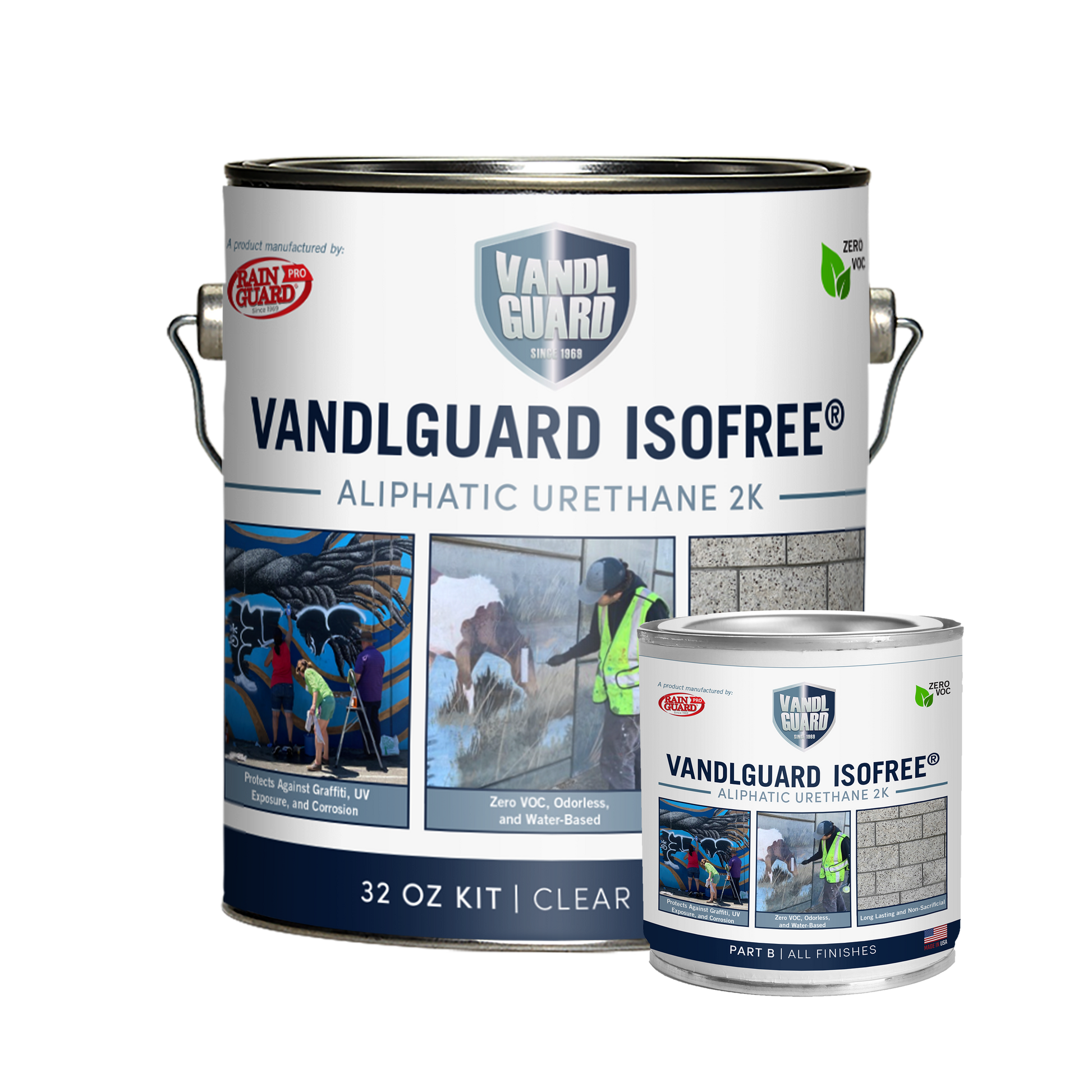
Water-Based Urethane: A Practical Guide
Water-based urethane is a type of polyurethane coating in which water is the main carrier for the resin. As the coating dries, water evaporates and the resin forms a protective film. It is used on surfaces such as wood, furniture, floors and certain manufactured materials, where a clear or coloured finish is required.
What Is Water-Based Urethane?
“Urethane” is commonly used as a short name for polyurethane. Water-based urethane contains polyurethane resins dispersed in water, along with additives that influence properties such as flow, drying time, hardness and appearance. Once cured, the coating helps protect the surface from everyday wear, moisture and stains. The level of protection depends on the product formulation and how it is applied.
Key Benefits
- Lower odour during application: Water-based products generally have less solvent odour than many conventional solvent-based finishes. Good ventilation is still important.
- Clear appearance: Many products dry clear and are designed to preserve the natural colour of wood, though the final appearance can vary by formulation.
- Convenient clean-up: Tools can often be cleaned with water while the coating is still wet. Always follow the product label.
- Faster drying: Some water-based finishes dry quickly, which may allow recoating sooner. Drying and curing times vary with the product, temperature, humidity and airflow.
- Versatile use: Water-based urethane is available for a range of interior applications, including furniture, cabinets and flooring.
Water-Based and Solvent-Based Urethane
Neither type is right for every project. Water-based urethane is often chosen when a lower-odour finish and a relatively clear appearance are priorities. Solvent-based products may provide a warmer or more amber tone and can have different application and durability characteristics. The best option depends on the surface, expected wear, desired appearance and the manufacturer’s guidance.
Do not assume that all water-based urethanes are suitable for every surface or exposure. For exterior use, areas exposed to standing water, or surfaces subject to heavy traffic, select a product specifically rated for those conditions.
How to Apply Water-Based Urethane
- Prepare the surface: Remove dust, grease, wax and loose material. Sand wood as recommended for the coating system, then remove sanding dust thoroughly.
- Check compatibility: If applying over paint, stain or an existing finish, test a small, inconspicuous area first. Some surfaces may need a primer or a particular preparation method.
- Stir gently: Follow the label. Avoid vigorous shaking unless instructed, as it can introduce bubbles.
- Apply thin, even coats: Use the applicator recommended by the manufacturer. Work steadily and avoid over-brushing as the film begins to dry.
- Allow drying between coats: Follow the stated recoat time and any sanding instructions. A coating can feel dry before it has fully cured.
- Allow full curing: Protect the surface from heavy use until the product has cured for the time specified on the label.
Common Challenges
Water-based urethane can raise the grain of some wood, create bubbles if applied too heavily, or leave visible marks if it dries before it can be levelled. Temperature, humidity, airflow and surface preparation all affect the result. Applying thin coats, using suitable tools and following the manufacturer’s instructions can help reduce these issues.
Safety and Storage
Read the product label and safety data sheet before use. Provide suitable ventilation, wear any recommended protective equipment and keep the coating away from children and food. Store it sealed and within the temperature range stated by the manufacturer. Do not pour leftover product or wash water into drains unless local guidance permits it; follow local disposal requirements.
Choosing the Right Product
Before buying, check whether the product is intended for your surface and whether it is suitable for indoor or outdoor use. Compare the finish, such as matt, satin or gloss, as well as the expected wear resistance, application method, drying time and curing time. When the surface is valuable or the conditions are demanding, test the complete coating system on a sample or consult the manufacturer.
Conclusion
Water-based urethane offers a practical protective finish for many interior projects, with benefits such as easier clean-up and generally lower odour during application than many solvent-based alternatives. Good surface preparation, thin and even coats, and adequate curing time are essential for a dependable result. Always choose a product designed for the specific surface and conditions.
8 Essential Tips for Applying Water-Based Urethane
- Clean and sand the surface before applying.
- Stir gently; avoid shaking the can.
- Apply thin, even coats with a quality brush or roller.
- Work in a well-ventilated area.
- Follow the label for drying times and temperature limits.
- Sand lightly between coats if the product instructions recommend it.
- Keep dust and moisture away while the finish dries.
- Clean tools promptly with soap and water.
Clean and sand the surface before applying.
Before applying water-based urethane, clean the surface thoroughly to remove dust, grease, wax and other contaminants, then allow it to dry completely. Sand the surface as recommended for the material and product, using even strokes to create a smooth base and help the coating adhere. Remove all sanding dust with a clean, lint-free cloth or vacuum, as leftover particles can affect the finish. Always follow the manufacturer’s preparation instructions and test on a small, inconspicuous area if applying over an existing coating.
Stir gently; avoid shaking the can.
Stir water-based urethane gently before use, following the manufacturer’s instructions. Avoid shaking the can, as this can create bubbles that may leave an uneven finish or small marks on the surface. If bubbles appear, allow the product to stand briefly before applying it.
Apply thin, even coats with a quality brush or roller.
Apply water-based urethane in thin, even coats using a quality brush or roller suited to the product. Work steadily in the direction of the surface grain, where applicable, and avoid overworking the finish as it begins to dry. Thin coats help reduce brush marks, bubbles and uneven coverage, while allowing each coat to dry fully before applying the next helps create a smooth, durable finish.
Work in a well-ventilated area.
Work in a well-ventilated area when applying water-based urethane. Open windows and doors, and use fans to keep fresh air moving through the space, while avoiding airflow that blows dust onto the wet surface. Although water-based products generally have a milder odour than many solvent-based coatings, they can still release vapours during application and drying. Follow the product label for ventilation and safety advice, and keep children and pets away until the coating is dry.
Follow the label for drying times and temperature limits.
Always follow the product label for drying times and temperature limits when applying water-based urethane. Cool conditions or high humidity can slow drying, while excessive heat may cause the coating to dry too quickly and leave an uneven finish. Allow each coat to dry for the recommended period before recoating, and keep the surface protected until it has fully cured.
Sand lightly between coats if the product instructions recommend it.
Lightly sanding between coats can help smooth raised wood fibres and minor imperfections, giving the next coat a more even surface. Do this only if the product instructions recommend it, and wait until the previous coat is dry enough to sand. Use fine-grit sandpaper, apply gentle pressure, and remove all dust before recoating to help achieve a smooth, clear finish.
Keep dust and moisture away while the finish dries.
Keep dust and moisture away while water-based urethane dries to help the finish set smoothly and evenly. Dust can settle on the wet surface and leave bumps or marks, while excess moisture may slow drying or affect the final appearance. Work in a clean, well-ventilated area, but avoid strong airflow that could blow dust onto the coating, and follow the product label for drying conditions and recoat times.
Clean tools promptly with soap and water.
Clean tools promptly after applying water-based urethane. While the coating is still wet, wash brushes and other reusable tools with soap and water, following the product label. Dried urethane can be difficult to remove, so avoid leaving tools to soak for long periods and allow them to dry fully before storing.