
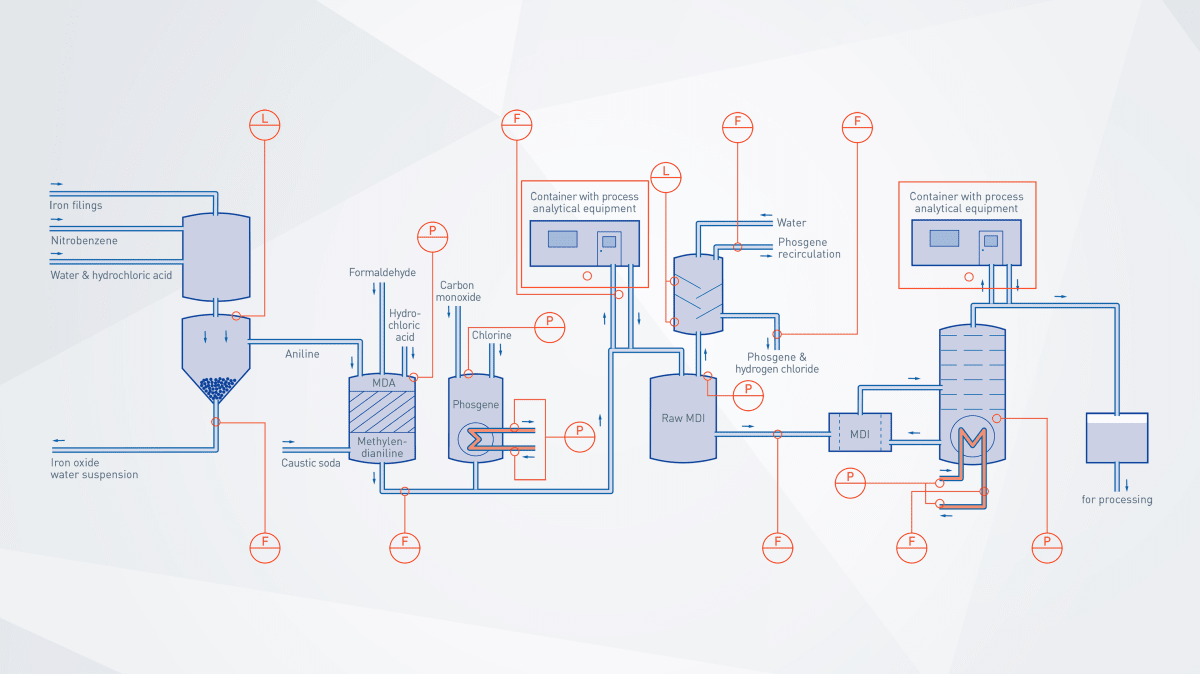
Polyurethane Foam Production Process
Polyurethane foam is a lightweight, versatile material used in mattresses, furniture, vehicles, insulation, footwear and many other products. Its properties can be adjusted to create soft, flexible foam or firm, rigid foam. While production methods vary according to the intended application, most polyurethane foams are made by reacting polyols with isocyanates in the presence of carefully selected additives.
Preparing the formulation
Before production begins, manufacturers develop a formulation to achieve the required properties, such as density, firmness, flexibility, cell structure and fire performance. The main ingredients are:
- Polyols: Compounds that react with isocyanates to form the polyurethane polymer.
- Isocyanates: Reactive chemicals that combine with polyols to create the foam structure.
- Catalysts: Materials that control the speed and balance of the chemical reactions.
- Surfactants: Ingredients that help stabilise the foam and regulate cell formation.
- Blowing agents: Materials that create the gas needed to expand the reacting mixture. Depending on the process, water may also contribute to gas formation.
- Other additives: Colourants, flame-retardant ingredients and other components may be used to meet product specifications and applicable requirements.
The formulation is selected according to the product being made. For example, flexible foam for cushioning requires different characteristics from rigid foam used in thermal insulation.
Metering and mixing
The ingredients are measured in controlled quantities and combined using specialised equipment. Accurate metering and thorough mixing are important: variations can affect the foam’s rise, density, cell structure and finished performance.
In many processes, the polyol blend is prepared separately from the isocyanate before both streams are brought together. Once combined, the chemical reaction begins, so the mixture must be transferred or dispensed promptly.
Foaming and moulding
As the ingredients react, the mixture expands. Gas forms within the reacting material, creating bubbles that develop into the foam’s cellular structure. The foam may be produced in a continuous process, where it rises on a moving production line, or in moulds that shape it into specific forms.
Flexible foam is commonly produced as large blocks or in moulded shapes. Rigid foam may be made as boards, panels or formed components. The equipment, mould design and formulation all influence the final shape and structure.
Curing and conditioning
After rising, the foam needs time to cure as the chemical reactions continue and the material gains stability. The required time depends on the formulation, product dimensions and manufacturing conditions. The foam may then be conditioned before further handling or processing.
Manufacturers monitor factors such as temperature, ingredient flow, mixing quality and rise characteristics throughout production. Keeping these conditions consistent helps maintain uniformity between batches.
Cutting and finishing
Once sufficiently cured, foam blocks may be cut into sheets, slabs or specified shapes. Moulded products may be removed from their moulds and trimmed. Depending on the application, further steps can include bonding, laminating, covering or assembling the foam with other materials.
Quality checks
Finished foam is checked against the product’s technical requirements. Tests may assess dimensions, density, firmness, resilience and other relevant properties. Additional testing may be needed for applications with specific thermal, acoustic, durability or fire-performance requirements.
Safety and environmental considerations
Polyurethane foam production involves reactive chemicals and industrial equipment. Manufacturers should follow the safety information provided for each material, use suitable engineering controls and provide appropriate training and protective equipment. Good ventilation, safe chemical handling, spill procedures and fire prevention are important parts of a responsible production system.
Environmental management also matters. Facilities can work to reduce material waste, control emissions, improve energy efficiency and manage production residues responsibly. The appropriate measures depend on the foam type, process and local regulations.
Conclusion
Polyurethane foam production combines chemical formulation, precise mixing, controlled expansion, curing and finishing. By selecting suitable ingredients and maintaining consistent process controls, manufacturers can produce foams tailored to a wide range of uses—from everyday cushioning to building insulation and specialised industrial components.
9 Key Advantages of the Polyurethane Foam Production Process
- Versatile process for producing flexible or rigid foam.
- Foam properties can be tailored to specific applications.
- Suitable for continuous and moulded production.
- Lightweight products help reduce overall product weight.
- Efficient mixing supports consistent foam quality.
- Foams offer useful cushioning and comfort.
- Rigid foam provides effective thermal insulation.
- Production can create complex shapes and components.
- Process controls help maintain reliable product performance.
5 Key Drawbacks of the Polyurethane Foam Production Process
- Uses reactive chemicals that require careful handling.
- Needs precise formulation and process control.
- Can release emissions during production.
- Creates waste that must be managed responsibly.
- Requires specialised equipment and trained staff.
Versatile process for producing flexible or rigid foam.
A key advantage of the polyurethane foam production process is its versatility. By adjusting the formulation, additives and processing conditions, manufacturers can produce soft, flexible foam for mattresses, furniture and vehicle seating, as well as firm, rigid foam for insulation and structural applications. This flexibility allows the process to serve a wide range of industries and product requirements.
Foam properties can be tailored to specific applications.
A key advantage of the polyurethane foam production process is the ability to tailor foam properties to specific applications. By adjusting the formulation and production conditions, manufacturers can create foam with the required firmness, flexibility, density, resilience and insulation performance. This versatility allows polyurethane foam to be used in a wide range of products, from soft cushioning for furniture and mattresses to firm, rigid insulation for buildings and appliances.
Suitable for continuous and moulded production.
Polyurethane foam can be produced using both continuous and moulded processes, making it suitable for a wide range of manufacturing needs. Continuous production is ideal for creating large foam blocks or sheets efficiently, while moulded production allows manufacturers to make components in specific shapes and sizes. This flexibility helps businesses choose a process that best matches their product design, production volume and application.
Lightweight products help reduce overall product weight.
Polyurethane foam has a lightweight structure, helping manufacturers reduce the overall weight of finished products without compromising on comfort or performance. Lighter products can be easier to handle, transport and install, while reducing the load on vehicles and supporting more efficient use of materials across applications such as furniture, automotive components and insulation.
Efficient mixing supports consistent foam quality.
Efficient mixing is essential to producing polyurethane foam with consistent quality. When the ingredients are accurately measured and blended evenly, the chemical reaction takes place more uniformly, helping the foam achieve reliable density, cell structure and performance throughout the batch. This consistency can reduce defects and material waste, while making it easier for manufacturers to meet product specifications.
Foams offer useful cushioning and comfort.
Polyurethane foam offers excellent cushioning and comfort, making it a popular choice for mattresses, sofas, vehicle seating and footwear. Its cellular structure helps absorb and distribute pressure, while its firmness and resilience can be tailored to suit different applications. This allows manufacturers to create products that provide comfortable support and retain their shape with regular use.
Rigid foam provides effective thermal insulation.
Rigid polyurethane foam provides effective thermal insulation because its fine cellular structure contains gas pockets that slow the transfer of heat. This helps buildings, refrigerators and other insulated products maintain stable temperatures, potentially improving energy efficiency and reducing heating or cooling requirements. Its lightweight nature and ability to be cut or moulded to suit different designs also make it a practical insulation material for a range of applications.
Production can create complex shapes and components.
A key advantage of the polyurethane foam production process is its ability to create complex shapes and components. Foam can be produced in moulds designed for specific dimensions and contours, making it suitable for customised parts, integrated cushioning and products with detailed forms. This flexibility helps manufacturers create components for applications such as furniture, automotive interiors, appliances and building products, often with less need for extensive shaping after production.
Process controls help maintain reliable product performance.
Process controls help maintain reliable performance in polyurethane foam production. Accurate ingredient metering, consistent mixing and careful monitoring of temperature and foaming conditions help ensure that each batch meets the required specifications. This consistency supports predictable properties such as density, firmness and resilience, helping manufacturers deliver dependable products for their intended applications.
Uses reactive chemicals that require careful handling.
Polyurethane foam production uses reactive chemicals, including isocyanates, which require careful handling throughout manufacturing. Workers need appropriate training, suitable protective equipment and effective ventilation to reduce the risk of exposure. Clear procedures for storage, mixing, spill response and waste management are also essential for maintaining a safe workplace.
Needs precise formulation and process control.
Polyurethane foam production requires precise formulation and close process control. Small variations in ingredient ratios, temperature, mixing or production conditions can affect the foam’s density, firmness, cell structure and overall performance. Manufacturers therefore need accurate dosing equipment, consistent raw materials, skilled operators and regular quality checks, which can add to production complexity and cost.
Can release emissions during production.
During polyurethane foam production, some processes may release emissions, including vapours from raw materials and other chemical compounds. The type and amount of emissions depend on the formulation, equipment and operating conditions. Manufacturers can reduce potential releases through effective ventilation, suitable emission-control systems, careful handling of chemicals and regular monitoring, while following applicable workplace safety and environmental regulations.
Creates waste that must be managed responsibly.
Polyurethane foam production can generate offcuts, rejected batches and other process waste, which need to be handled responsibly. Poor disposal may contribute to environmental pollution, so manufacturers should minimise waste where possible, segregate materials and follow local rules for recycling, recovery or disposal. Planning efficient production and using suitable waste-management systems can help reduce the process’s environmental impact.
Requires specialised equipment and trained staff.
Polyurethane foam production requires specialised equipment for accurate ingredient metering, controlled mixing and safe handling of reactive chemicals. It also depends on trained staff who can operate and maintain this equipment, monitor production conditions and follow appropriate safety procedures. These requirements can increase setup and operating costs, making the process challenging for smaller manufacturers or businesses without access to skilled personnel.