
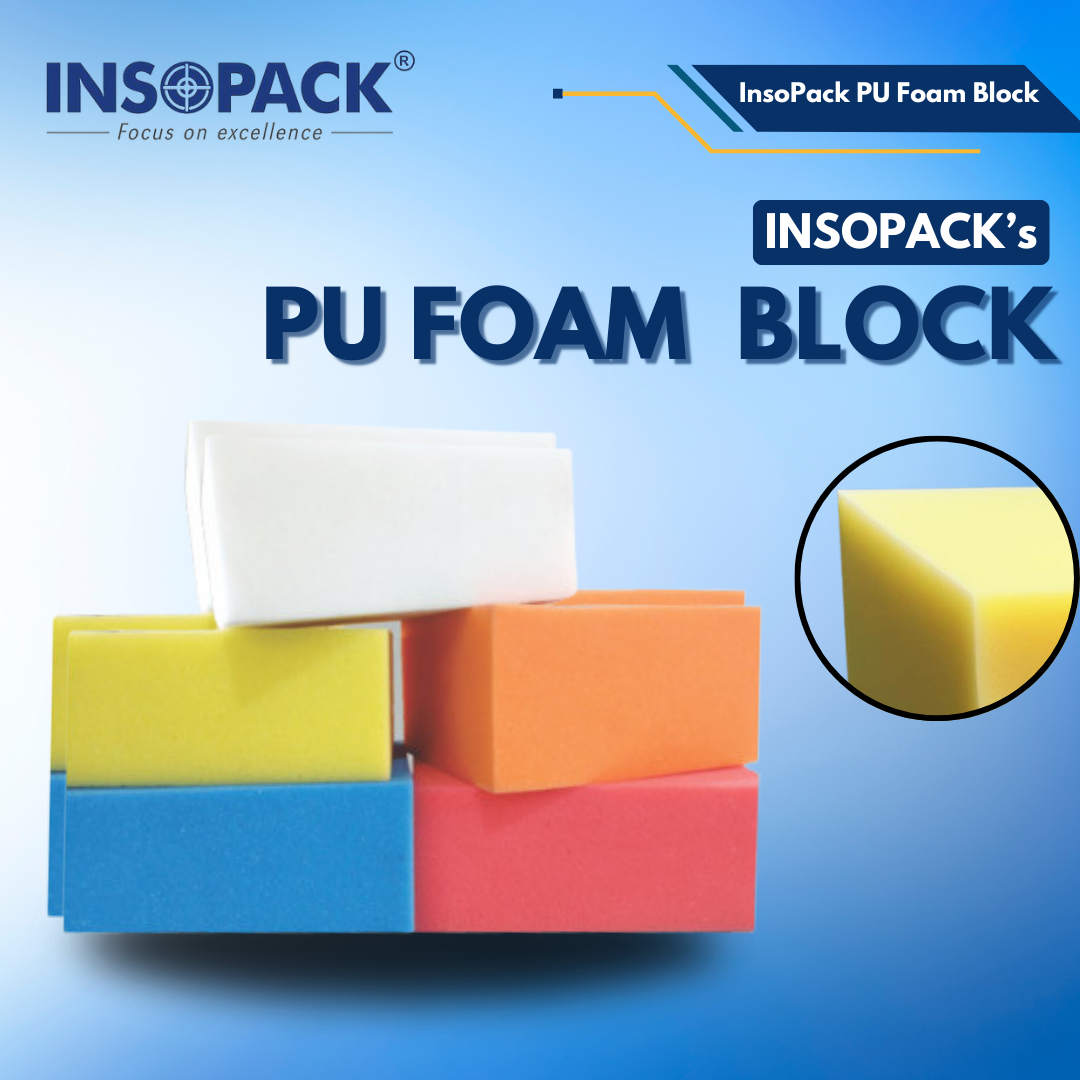
Polyurethane Foam Sponge: Types, Uses and Benefits
Polyurethane (PU) foam sponge is a lightweight, versatile material used in products ranging from furniture and mattresses to vehicle interiors and cleaning sponges. It is made by reacting polyols with isocyanates, along with other ingredients that control properties such as softness, firmness, density and resilience. The finished foam can be cut or moulded into many shapes to suit different applications.
What Is Polyurethane Foam Sponge?
Polyurethane foam is a cellular material. Its structure contains many small cells, which may be open or closed. In open-cell foam, air can move through interconnected cells, giving the material a soft, breathable feel. Closed-cell foam has more enclosed cells and is generally used where greater insulation or resistance to moisture is needed.
The word “sponge” is often used for flexible, open-cell PU foam, particularly when it is sold in sheets, blocks or shaped pieces. Its characteristics vary according to its formulation and manufacturing process.
Common Types
- Flexible foam: Soft and resilient, this type is commonly used in mattresses, cushions, sofas and seating.
- High-resilience foam: Designed to recover its shape quickly after compression, it is used in seating and bedding where support and durability are important.
- High-density foam: Often selected for applications that need firmer support or greater resistance to wear. Density alone does not determine firmness, so both properties should be checked when choosing a foam.
- Reticulated foam: A highly open-cell foam that allows air and liquids to pass through readily. It is used in filtration, packaging and some cleaning applications.
- Rigid PU foam: Unlike flexible sponge foam, this firm type is widely used for thermal insulation in buildings, appliances and cold-storage systems.
How Is It Made?
In broad terms, PU foam is produced by mixing the main chemical components with additives and a blowing agent. The reaction creates a foam structure that expands and then cures into a solid material. Manufacturers adjust the formulation and process to achieve the required density, firmness, cell structure and performance.
Foam may be produced in large blocks and cut to size, or made in a mould to create a particular shape. The appropriate method depends on the product’s design, required volume and performance needs.
Where Is It Used?
Polyurethane foam sponge is used across many sectors because it can be made in a wide range of grades and shapes. Common applications include:
- Mattresses, pillows, sofa cushions and upholstered furniture
- Vehicle seats, headrests and interior trim
- Protective packaging and cushioning
- Acoustic treatments and vibration control
- Filters and certain cleaning products
- Insulation, when rigid PU foam is used
Key Benefits
One of the main advantages of PU foam is its versatility. Depending on the grade, it can provide softness, support, cushioning, resilience or insulation. It is lightweight, can be cut or moulded into complex shapes, and is available in a broad range of densities and firmness levels. These qualities make it useful for both everyday products and specialised industrial applications.
Choosing the Right Foam
When selecting a foam sponge, consider its intended use and the conditions it will face. Important factors include:
- Density and firmness: These are different properties. Density describes the mass of foam per unit volume, while firmness relates to how much force is needed to compress it.
- Support and resilience: Seating and bedding may require foam that recovers well and maintains its support over time.
- Cell structure: Open-cell foam is more breathable, while other structures may be better suited to insulation or particular moisture conditions.
- Durability: Performance depends on the foam grade, its construction and how it is used and maintained.
- Relevant standards: For applications such as furniture, vehicles or building insulation, check applicable product and fire-safety requirements.
It is best to consult the supplier’s technical information rather than choosing a foam solely by its appearance or feel. The right grade depends on the complete design and the demands of the application.
Care and Safety
Follow the care instructions provided with the finished product. Keep foam away from open flames and excessive heat, and avoid using cleaning agents that may damage it. For upholstered items, use suitable covers and ensure that the foam is allowed to dry thoroughly if it becomes wet.
Like many organic materials, polyurethane foam can burn under certain conditions. Fire performance varies by formulation and product design, so safety should be assessed for the complete item—not just the foam in isolation. Use products that meet the requirements relevant to their intended application.
Recycling and Responsible Use
Managing used PU foam responsibly can help reduce waste. Depending on its condition and local facilities, foam may be reused, repurposed or sent to a specialised recycling process. Options vary by region and by the type of foam, so check with local waste-management services or the product supplier. Selecting a suitable grade, caring for products properly and avoiding unnecessary replacement can also support more responsible use.
Conclusion
Polyurethane foam sponge is a widely used material because its properties can be tailored to meet different needs. From cushioning and support to filtration and insulation, its performance depends on the foam type, formulation and design. Understanding these differences helps buyers and manufacturers choose the right product for the job.
8 Key Benefits of Polyurethane Foam Sponge
- Lightweight and easy to handle
- Available in different firmness levels
- Offers comfortable cushioning
- Can be cut into many shapes
- Provides good resilience
- Suitable for many applications
- Available in breathable open-cell grades
- Can help absorb sound and vibration
Polyurethane Foam Sponge: Recycling Challenges, Heat and Sunlight Degradation, and Flammability Risks
Lightweight and easy to handle
Polyurethane foam sponge is lightweight, making it easy to lift, carry, cut and fit into place. This practical advantage simplifies handling during manufacturing, installation and everyday use, while also helping to reduce the overall weight of products such as cushions, mattresses, packaging and vehicle interiors.
Available in different firmness levels
Polyurethane foam sponge is available in a range of firmness levels, from soft and cushioning to firm and supportive. This variety makes it suitable for different needs, such as plush sofa cushions, supportive mattresses, comfortable vehicle seating and protective packaging. Choosing the right firmness helps ensure the foam feels comfortable and performs well in its intended application.
Offers comfortable cushioning
Polyurethane foam sponge offers comfortable cushioning by gently conforming to the body and helping distribute pressure across the surface. Its softness and resilience provide a supportive feel, while allowing it to regain its shape after use. This makes it a popular choice for mattresses, sofa cushions, pillows and seating.
Can be cut into many shapes
One of the key advantages of polyurethane foam sponge is that it can be cut into many shapes and sizes to suit different needs. It can be shaped into simple sheets, precise components or complex profiles for products such as cushions, mattresses, packaging and vehicle interiors. This flexibility makes it easier for manufacturers to create foam parts that fit specific designs and applications.
Provides good resilience
Polyurethane foam sponge provides good resilience, meaning it springs back towards its original shape after being compressed. This helps cushions, mattresses and seating retain their shape and comfort during regular use. The level of resilience varies by foam type and formulation, so choosing the right grade is important for the intended application.
Suitable for many applications
Polyurethane foam sponge is suitable for many applications because it can be made in different densities, firmness levels and shapes. Soft, resilient grades are used in mattresses, cushions and furniture, while more specialised types are used in vehicle interiors, packaging, filtration and insulation. This versatility allows manufacturers to select a foam that meets the comfort, support and performance needs of each product.
Available in breathable open-cell grades
Polyurethane foam sponge is available in breathable open-cell grades, where interconnected cells allow air to circulate through the material. This can help reduce heat and moisture build-up, making these grades a suitable choice for applications such as mattress layers, cushions and upholstered seating where comfort and ventilation are important.
Can help absorb sound and vibration
Polyurethane foam sponge can help absorb sound and reduce vibration, making it useful in applications such as acoustic panels, equipment enclosures and vehicle interiors. Its porous, flexible structure helps dampen sound waves and lessen the transmission of vibration, supporting quieter and more comfortable spaces. Performance depends on the foam’s type, thickness, density and installation.
Can be difficult to recycle.
Polyurethane foam sponge can be difficult to recycle because it is often bulky, lightweight and made with additives or bonded layers that complicate processing. Collection and recycling facilities may also be limited, and different foam types require different treatment methods. As a result, used foam may end up in landfill if suitable local recycling options are unavailable. Checking with the product supplier or local waste-management services can help identify reuse or recycling routes.
May degrade with heat or sunlight.
Polyurethane foam sponge may degrade when exposed to high temperatures or prolonged sunlight. Heat and ultraviolet (UV) rays can cause discolouration, brittleness and a gradual loss of resilience, affecting the foam’s comfort and performance. To help extend its service life, keep it away from direct sunlight and excessive heat, and follow the care and storage guidance provided by the manufacturer.
Some types can burn easily.
Some types of polyurethane foam sponge can catch fire and burn quickly when exposed to an ignition source, particularly if they are not treated with flame retardants or protected within a suitable product design. Burning foam may also release hazardous smoke, so it should be kept away from flames, sparks and excessive heat. Check the product’s fire-safety information and follow the relevant safety guidance for its intended use.