
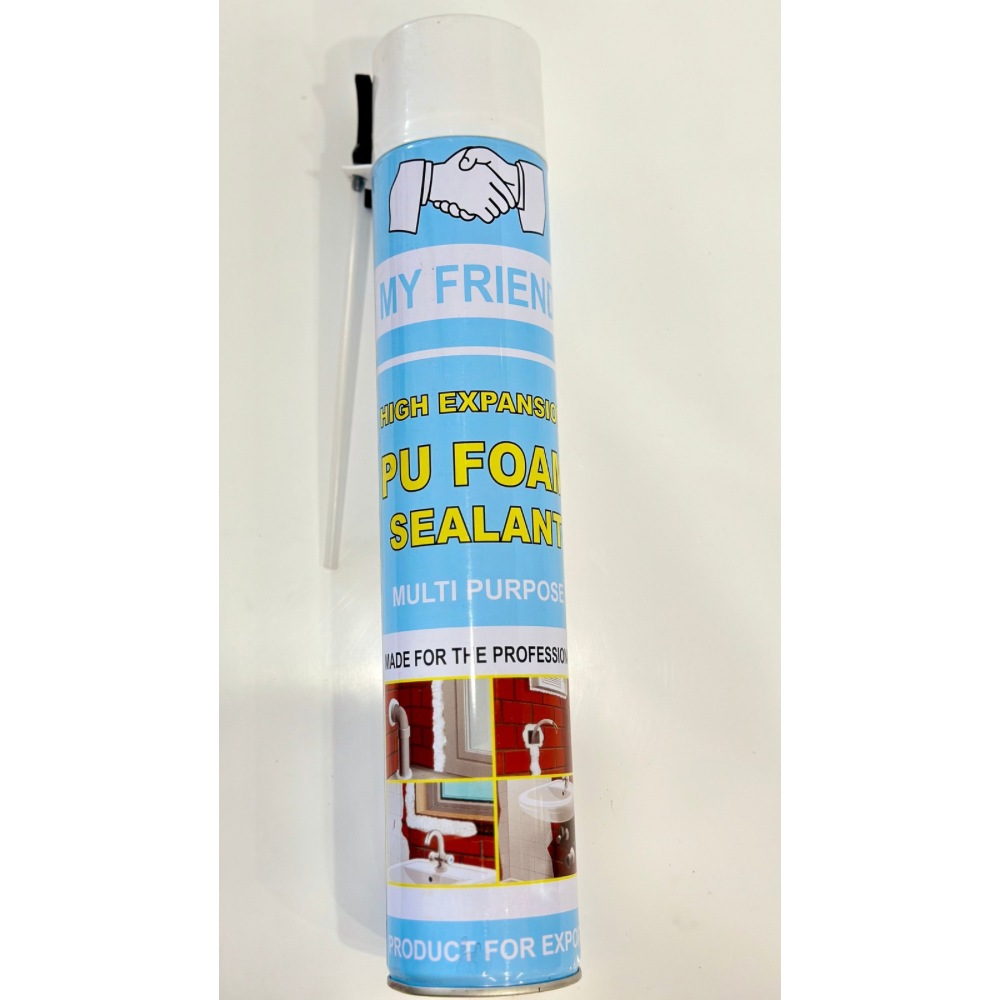
Spray Polyurethane Foam in India: Uses, Benefits and Key Considerations
Spray polyurethane foam (SPF) is an insulation material applied as a liquid that expands and hardens into foam. It can form a continuous layer over walls, roofs and other surfaces, helping to reduce heat transfer and limit air leakage. In India, SPF is used in buildings and industrial settings where thermal insulation, sealing or temperature control is important.
How spray polyurethane foam works
SPF is generally made by mixing two components at the point of application. The mixture expands and cures after spraying, conforming to the surface beneath it. The result can provide insulation and, when correctly applied, help seal gaps and joints.
Two common types are:
- Open-cell foam: A lighter, more flexible foam that is often used for internal applications. Its performance and suitability depend on the product and the building design.
- Closed-cell foam: A denser, more rigid foam that typically offers higher insulation value per unit of thickness and greater resistance to moisture movement. It may be considered for roofs, walls and certain industrial applications.
Product specifications vary, so the right type should be selected for the intended use, substrate and local conditions.
Where SPF is used in India
India’s varied climate—from hot and humid coastal regions to cooler northern areas—creates different insulation needs. Spray foam may be used in:
- Residential and commercial roofs, terraces and ceilings
- Industrial buildings, warehouses and factories
- Cold rooms, refrigerated facilities and temperature-controlled spaces
- Metal buildings and building envelopes where air leakage is a concern
- Selected pipes, tanks and equipment, when a suitable system is specified
Potential benefits
- Thermal insulation: SPF can help reduce heat entering or leaving a building, potentially improving indoor comfort.
- Air sealing: The foam can expand into cracks and irregular spaces, helping to reduce draughts and unwanted air movement.
- Coverage of complex surfaces: Spraying can be useful on surfaces with joints, corners or awkward shapes.
- Support for energy efficiency: When combined with suitable ventilation, shading and building design, insulation may help reduce the demand on heating or cooling systems.
Actual results depend on the foam’s properties, application thickness, workmanship, building design and how the space is used. SPF should not be treated as a substitute for a complete moisture-management or ventilation strategy.
Installation and safety
Spray foam installation requires trained applicators, specialised equipment and careful control of the work area. During application and curing, the area should be managed in accordance with the product manufacturer’s safety instructions. Occupants and other workers may need to stay away until the foam has cured and the space has been properly ventilated.
Before work begins, confirm that the installer can explain the product system, preparation requirements, application thickness, curing time and re-entry guidance. The substrate should be assessed for cleanliness, dryness and suitability. Poor preparation or incorrect mixing and application can affect the finished result.
Fire, moisture and UV protection
Polyurethane foam is combustible and must be used as part of a building assembly that meets applicable fire-safety requirements. Depending on the location and system, a protective coating or thermal barrier may be required. Ask the designer or installer how the proposed system addresses fire performance and local building requirements.
Foam exposed to sunlight can degrade over time, so exterior applications generally need a suitable protective coating or covering. Roof and wall systems should also be designed to manage water, condensation and drainage. The correct detailing is especially important in humid or monsoon-affected areas.
Choosing a spray foam provider in India
When comparing suppliers and contractors, consider the following:
- Whether the product is suitable for the intended application and climate
- Technical data, declared insulation properties and installation guidance
- Applicator experience, training and references for similar projects
- Written details of surface preparation, thickness and quality checks
- Plans for fire protection, UV exposure, moisture control and ventilation
- Warranty terms, maintenance needs and after-installation support
Request a written specification rather than relying only on a quoted price. Comparing the complete system—including preparation, foam, protective layers and workmanship—can help avoid unexpected costs.
Is spray polyurethane foam right for your project?
SPF can be a practical insulation and air-sealing option for some Indian buildings and industrial facilities, but it is not suitable for every project. A qualified building professional should assess the structure, climate, intended use, fire-safety requirements and moisture conditions before recommending a system.
With appropriate product selection, professional installation and suitable protection, spray polyurethane foam can contribute to a more comfortable and energy-conscious building. Careful planning is essential to achieve reliable performance over the life of the installation.
5 Benefits of Polyurethane Foam Spray for Buildings in India
- Helps reduce heat transfer in buildings.
- Expands to seal gaps and irregular surfaces.
- Suitable for roofs, walls and industrial spaces.
- Can improve indoor comfort when properly installed.
- Supports energy efficiency when paired with good building design.
Polyurethane Spray Foam in India: Skilled Installation, Higher Costs and Protection Needs
- Requires trained installers and careful application.
- Can be costly compared with some insulation options.
- Needs suitable fire, UV and moisture protection.
Helps reduce heat transfer in buildings.
Spray polyurethane foam helps reduce heat transfer in buildings by creating a continuous insulating layer across roofs, walls and other surfaces. When professionally applied at the correct thickness, it can slow heat entering during India’s hot summers and help retain warmth in cooler conditions. Its ability to fill gaps and seal joints can also reduce unwanted air movement, supporting more consistent indoor comfort and potentially lowering the need for heating or cooling. Actual performance depends on the product, installation quality and building design.
Expands to seal gaps and irregular surfaces.
Spray polyurethane foam expands after application, allowing it to fill gaps, cracks and hard-to-reach areas on irregular surfaces. This creates a more continuous layer of insulation and can help reduce unwanted air leakage. In Indian buildings, where roofs, walls and structural details may have uneven joints, this ability to conform to the surface can make SPF a practical option—provided it is applied correctly by trained professionals.
Suitable for roofs, walls and industrial spaces.
Spray polyurethane foam is suitable for a wide range of applications in India, including roofs, walls and industrial spaces. It expands to fit around joints, corners and uneven surfaces, creating a continuous layer of insulation that can help reduce heat transfer and air leakage. This versatility makes it a practical option for buildings and facilities with different layouts and insulation needs.
Can improve indoor comfort when properly installed.
When properly installed, polyurethane foam spray can help improve indoor comfort by reducing heat transfer and sealing gaps that allow draughts and outside air to enter. This can support more consistent indoor temperatures throughout the year, although results depend on the building design, foam type and thickness, and suitable ventilation.
Supports energy efficiency when paired with good building design.
Spray polyurethane foam can support energy efficiency in Indian buildings by helping to reduce heat transfer and air leakage through roofs, walls and other building surfaces. When paired with good building design—including suitable shading, ventilation and moisture management—it can help maintain more comfortable indoor temperatures and may reduce the need for heating or cooling. The results depend on the building, climate, product and quality of installation.
Requires trained installers and careful application.
Spray polyurethane foam requires trained installers and careful application to achieve consistent insulation and sealing. The surface must be properly prepared, and the foam components must be mixed and applied according to the manufacturer’s instructions. Errors in application can lead to uneven coverage, poor performance or defects that may be difficult to correct. In India, it is important to choose an experienced contractor who follows appropriate safety, curing and ventilation procedures.
Can be costly compared with some insulation options.
One drawback of spray polyurethane foam in India is its higher upfront cost compared with some insulation options, such as fibreglass or mineral wool. The final price can vary depending on the foam type, application area, required thickness and installer expertise. Although improved insulation may help reduce energy use over time, it is worth comparing the total installation cost, expected performance and long-term savings before choosing a system.
Needs suitable fire, UV and moisture protection.
Spray polyurethane foam needs suitable protection to perform safely and last over time. As it is combustible, it may require an approved protective layer to meet fire-safety requirements. Foam exposed to sunlight can degrade, so exterior applications generally need a UV-resistant coating or covering. Proper moisture management is also essential, particularly in humid and monsoon-affected parts of India, as poor detailing can lead to water ingress or condensation. The required protection depends on the product, location and building design, so it should be specified and installed by qualified professionals.