
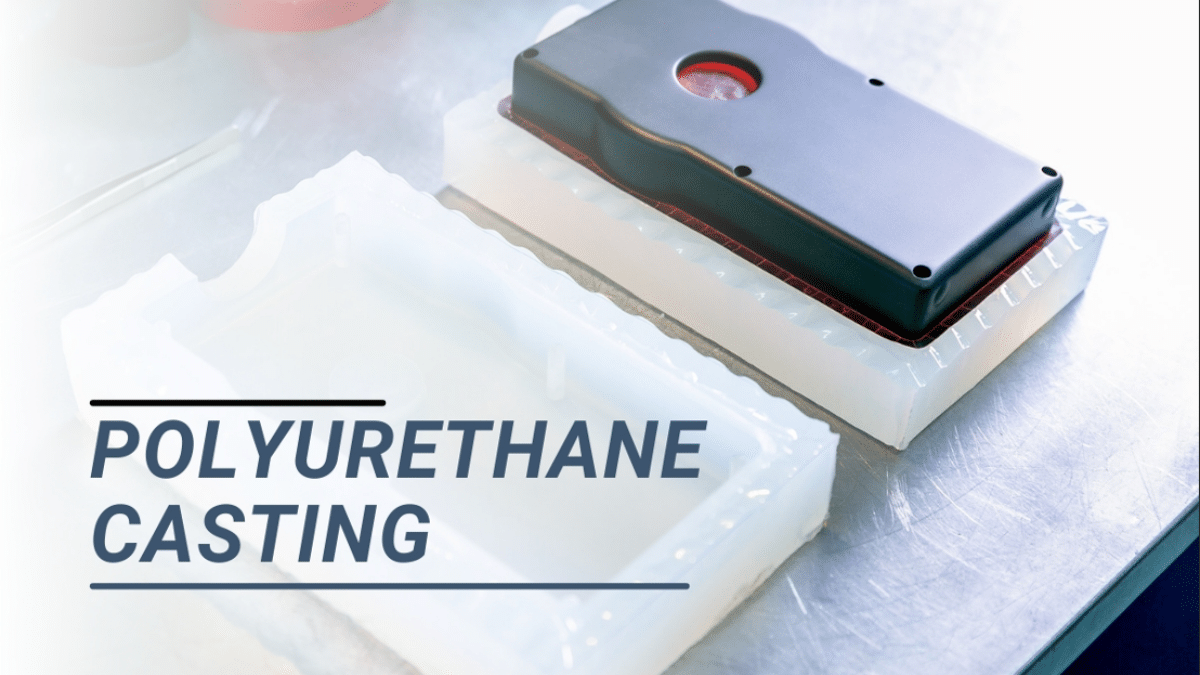
The Art of Polyurethane Casting
Polyurethane casting is a versatile manufacturing process that involves pouring liquid polyurethane resin into a mold to create custom parts, prototypes, or products. This method is widely used in various industries due to its ability to produce high-quality, durable components with complex shapes and fine details.
Process Overview
The polyurethane casting process begins with creating a mold that matches the desired shape of the final product. The liquid polyurethane resin is then mixed with additives and poured into the mold. The resin cures and hardens within the mold, taking on its precise form. Once cured, the part is removed from the mold, trimmed, and finished as needed.
Advantages of Polyurethane Casting
One of the key advantages of polyurethane casting is its ability to replicate intricate details and textures accurately. This makes it an ideal choice for producing prototypes, decorative elements, and custom parts that require a high level of precision.
In addition, polyurethane casting offers excellent mechanical properties such as strength, flexibility, and impact resistance. Parts produced through this method are known for their durability and longevity.
Applications
Polyurethane casting finds applications in a wide range of industries including automotive, aerospace, electronics, healthcare, and consumer goods. It is commonly used to create components like seals, gaskets, bushings, wheels, housings, and decorative elements.
Conclusion
With its versatility and capability to produce high-quality parts with intricate details, polyurethane casting continues to be a preferred manufacturing method across industries. Its ability to meet diverse design requirements while maintaining superior performance makes it a valuable technique in modern production processes.
Understanding Polyurethane Casting: Common Defects, Materials, Processes, and Applications
- What are the defects of polyurethane casting?
- What material is used for casting polyurethane molds?
- What is a polyurethane casting operator?
- Can you cast polyurethane?
- What is the process of polyurethane?
- What is the hardness of polyurethane casting?
What are the defects of polyurethane casting?
Polyurethane casting, while a versatile manufacturing process, can sometimes encounter certain defects that may affect the quality of the final product. Common defects in polyurethane casting include air entrapment, which can result in bubbles or voids within the part. Inadequate mixing of the resin components may lead to uneven curing or inconsistencies in material properties. Another issue is mold release agent residue, causing surface imperfections or adhesion problems. Additionally, improper mold design or handling can result in flashing or dimensional inaccuracies. By understanding these potential defects and implementing proper quality control measures, manufacturers can minimize such issues and ensure the production of high-quality polyurethane castings.
What material is used for casting polyurethane molds?
In polyurethane casting, silicone rubber is commonly used as the material for making molds. Silicone rubber is preferred for its flexibility, durability, and ability to capture intricate details accurately. It can withstand the curing process of liquid polyurethane resin without deforming or sticking to the final casted part. Silicone molds are reusable and can produce multiple identical casts with minimal mold degradation, making them a popular choice for creating high-quality polyurethane parts in various industries.
What is a polyurethane casting operator?
A polyurethane casting operator is a skilled professional responsible for overseeing the process of casting polyurethane parts. This individual plays a crucial role in preparing the materials, setting up molds, pouring the liquid resin, monitoring the curing process, and ensuring the quality of the final products. A polyurethane casting operator needs to have a good understanding of the casting process, be proficient in operating machinery and equipment, and possess attention to detail to produce high-quality components efficiently. Their expertise ensures that each cast part meets the required specifications and standards for use in various industries.
Can you cast polyurethane?
Yes, polyurethane can be cast using a process known as polyurethane casting. This method involves pouring liquid polyurethane resin into a mold to create custom parts, prototypes, or products. Polyurethane casting is a versatile manufacturing process that allows for the production of high-quality components with complex shapes and fine details. By following the proper procedures and techniques, individuals and industries can successfully cast polyurethane to meet their specific needs and requirements.
What is the process of polyurethane?
The process of polyurethane casting involves pouring liquid polyurethane resin into a mold to create custom parts or products. The liquid resin is mixed with additives to achieve the desired properties and characteristics before being poured into the mold. Once in the mold, the resin cures and hardens to take on the shape of the mold, resulting in a solid polyurethane part. This process allows for the production of components with intricate details and complex shapes, making it a popular choice for applications that require precision and durability.
What is the hardness of polyurethane casting?
The hardness of polyurethane casting can vary depending on the specific formulation used and the intended application of the final product. Polyurethane materials are available in a wide range of durometer hardness levels, typically measured on the Shore scale. This allows manufacturers to tailor the hardness of polyurethane cast parts to meet specific requirements, whether it be for soft, flexible components or rigid, durable parts. By adjusting the formulation and processing parameters, the hardness of polyurethane casting can be customized to achieve the desired balance of strength, flexibility, and durability for a wide range of applications.