
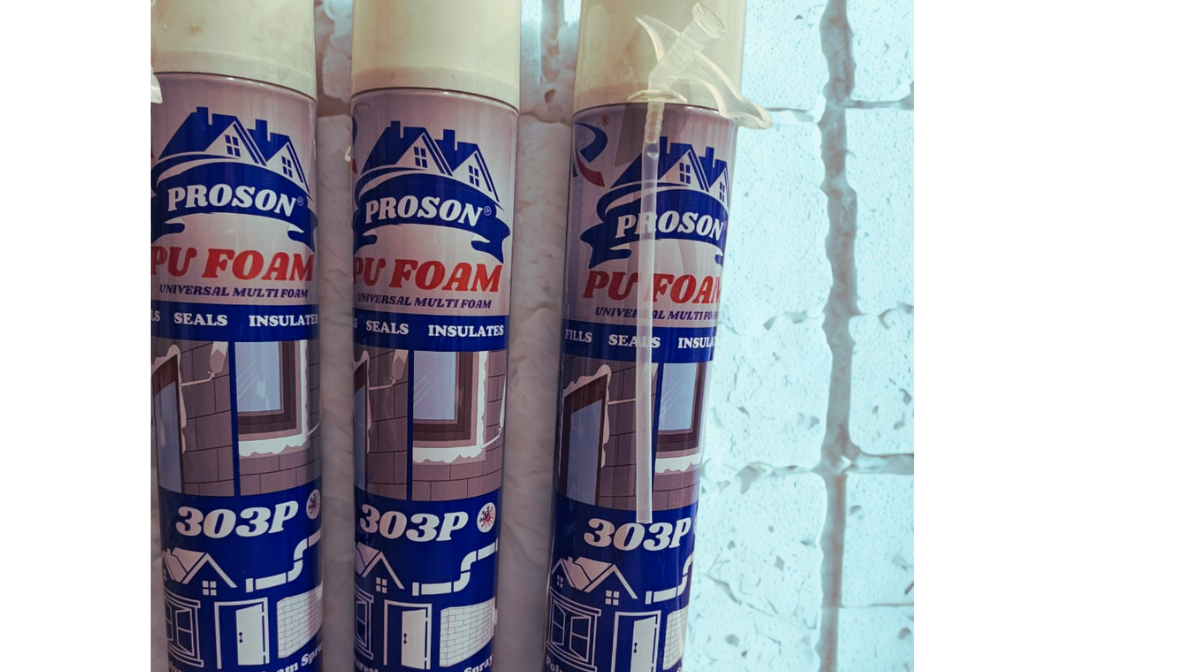
PU Foam Filler: Uses, Benefits and Application Tips
PU foam filler, also known as polyurethane foam filler or expanding foam, is a versatile material used to fill gaps, seal joints and help insulate buildings. It is commonly supplied in an aerosol can and expands after application, reaching into spaces that may be difficult to fill with conventional materials.
What Is PU Foam Filler?
PU foam filler is made from polyurethane and is applied as a liquid foam. After dispensing, it expands and cures on exposure to moisture in the air. Once cured, it forms a lightweight, solid foam that can be trimmed to shape. Depending on the product, it may be suitable for indoor or outdoor use.
It is often used around window and door frames, pipes, service openings and other joints. PU foam can help reduce air leakage and draughts, but it should not automatically be treated as a waterproofing, structural or fire-stopping product. Check the product’s stated performance and intended use before selecting it.
Common Uses
- Filling gaps: Seals spaces around frames, pipes, ducts and building services.
- Insulation: Helps limit heat transfer and air movement through small openings.
- Sound reduction: Can reduce some noise transmission through gaps, though it is not a substitute for a complete acoustic system.
- Securing and supporting: Some products can help hold components in place, but they should not replace mechanical fixings where these are required.
Benefits of PU Foam Filler
PU foam is lightweight, easy to apply and able to expand into irregular spaces. Its expansion can make it useful for filling joints that are difficult to reach with rigid materials. After curing, many products can be cut, sanded or covered with a suitable finish. The exact properties vary by formulation, so always consult the manufacturer’s instructions.
How to Apply PU Foam Filler
- Prepare the area: Remove dust, loose material, oil and debris. Protect nearby surfaces, as uncured foam can be difficult to remove.
- Read the label: Check the recommended temperature, application method, curing time and safety precautions.
- Wear protection: Use gloves and eye protection, and work in a well-ventilated area.
- Apply carefully: Shake and dispense the can as directed. Fill only part of the gap because the foam expands as it cures. Avoid overfilling.
- Allow it to cure: Leave the foam undisturbed for the time specified by the manufacturer.
- Trim and finish: Once fully cured, trim excess foam and protect it with an appropriate coating if required. Many PU foams need protection from prolonged exposure to sunlight.
Important Safety Considerations
Uncured PU foam may irritate the skin, eyes and respiratory system. Avoid contact with skin and eyes, and follow the safety information on the product label. Do not use foam near flames, hot surfaces or ignition sources unless the product instructions specifically permit it. Keep the can away from heat, and do not puncture or burn it.
Do not use ordinary PU foam as a fire barrier unless it is specifically tested and approved for that purpose and installed as part of the stated fire-stopping system. Similarly, use a product designed for wet or exterior conditions where exposure to water or weather is expected.
Choosing the Right PU Foam Filler
Before buying, consider the size and location of the gap, the expected movement of the joint, exposure to sunlight or moisture, and whether insulation or a certified fire-stopping solution is needed. Check the product’s expansion rate, curing time and compatibility with nearby materials. For large openings, load-bearing applications or regulated fire-safety work, seek advice from a qualified professional.
Conclusion
PU foam filler is a practical option for sealing and insulating many small gaps in buildings. Correct product selection and careful application are essential for a neat, durable result. Always follow the manufacturer’s instructions and use a specialist product where the job requires tested waterproofing, structural performance or fire protection.
9 Key Benefits of PU Foam Filler for Sealing and Insulation
- Fills gaps and cavities effectively
- Expands to reach awkward spaces
- Helps reduce draughts
- Can improve thermal insulation
- Lightweight once cured
- Easy to apply with suitable equipment
- Can be trimmed after curing
- Adheres to many common building materials
- Useful for sealing around pipes and frames
5 Drawbacks of PU Foam Filler You Should Know
- Can expand excessively and distort frames.
- Uncured foam can irritate skin and eyes.
- Exposed foam degrades in sunlight.
- Removal after curing can be difficult.
- Standard foam may not be waterproof or fire-rated.
Fills gaps and cavities effectively
PU foam filler expands after application, allowing it to reach into uneven gaps, narrow joints and hard-to-access cavities. As it cures, the foam forms a snug fill that can help reduce draughts and limit air leakage around areas such as window frames, pipes and service openings. Apply it in controlled amounts, as the foam expands, and follow the product instructions for the best result.
Expands to reach awkward spaces
PU foam filler expands after application, allowing it to reach into narrow, uneven and awkward spaces that can be difficult to fill with conventional materials. This makes it useful for gaps around pipes, window frames and other building fixtures. Apply it carefully, as the foam continues to expand while curing.
Helps reduce draughts
PU foam filler helps reduce draughts by expanding into gaps around windows, doors, pipes and other openings, limiting the movement of unwanted air. When applied correctly, it can make indoor spaces more comfortable and help reduce heat loss. For best results, choose a product suited to the location and follow the manufacturer’s application and curing instructions.
Can improve thermal insulation
PU foam filler can improve thermal insulation by filling gaps and cracks where heat may escape or outside air may enter. Once cured, it creates a barrier that helps reduce unwanted heat transfer, supporting a more comfortable indoor environment and potentially lowering energy use. For the best results, choose a product suited to the location and follow the manufacturer’s application instructions.
Lightweight once cured
Lightweight once cured: PU foam filler expands to fill gaps and, once cured, forms a lightweight foam. This makes it easy to trim and handle without adding significant weight to window and door frames, pipes or other building components. Its low weight can be useful where filling larger gaps with heavier materials may put extra strain on the surrounding structure.
Easy to apply with suitable equipment
PU foam filler is easy to apply when used with the right equipment, such as a compatible applicator gun or dispensing nozzle. This makes it easier to control the flow, direct the foam into gaps and achieve a more even fill with less mess. Following the product instructions and using suitable protective equipment helps ensure a neat and safe application.
Can be trimmed after curing
One useful advantage of PU foam filler is that excess foam can be trimmed after it has fully cured. This makes it easier to create a neat finish around gaps, frames and pipework, and helps prepare the surface for suitable sealants, paint or other coverings. Always follow the product instructions and wait for the recommended curing time before trimming.
Adheres to many common building materials
PU foam filler adheres to many common building materials, including concrete, brick, timber and metal, making it a versatile choice for sealing gaps around window and door frames, pipes and other building joints. This strong bonding helps the foam stay in place as it expands and cures. For the best results, ensure surfaces are clean and follow the product instructions, as adhesion can vary depending on the material and its condition.
Useful for sealing around pipes and frames
PU foam filler is useful for sealing gaps around pipes and frames, where uneven spaces can be difficult to fill with conventional materials. As it expands, the foam reaches into small openings around plumbing, window frames and door frames, helping reduce draughts and air leakage. For the best results, apply it sparingly, as it expands while curing, and choose a product suited to the location and surrounding materials.
Can expand excessively and distort frames.
PU foam filler can expand more than expected as it cures, especially when too much is applied or the gap is small. The pressure may push against window or door frames, causing them to bow or become misaligned and making them harder to open or close. Apply the foam sparingly, choose a low-expansion product for sensitive areas, and follow the manufacturer’s instructions.
Uncured foam can irritate skin and eyes.
Uncured PU foam filler can irritate the skin and eyes, so handle it with care during application. Wear suitable gloves and eye protection, work in a well-ventilated area, and avoid touching or rubbing the foam before it has cured. Follow the product label’s safety instructions, and rinse accidental contact promptly with plenty of water.
Exposed foam degrades in sunlight.
PU foam filler can deteriorate when left exposed to direct sunlight. Ultraviolet (UV) rays gradually weaken and discolour the foam, making its surface brittle and less effective over time. Once cured, exposed foam should be covered with a suitable paint, sealant, plaster or other protective finish, as recommended by the manufacturer.
Removal after curing can be difficult.
One drawback of PU foam filler is that removal becomes difficult once it has cured. The hardened foam can bond firmly to surfaces, making it challenging to scrape or cut away without damaging the surrounding material. To avoid extra work, apply it carefully, protect nearby surfaces and clean up any excess before it sets, following the product instructions.
Standard foam may not be waterproof or fire-rated.
Standard PU foam filler may not be waterproof or fire-rated, so it may not be suitable for areas exposed to persistent moisture, weather or fire risk. Using it in these conditions could lead to deterioration or inadequate fire protection. Check the product specifications and choose a foam specifically tested and approved for the intended application.