
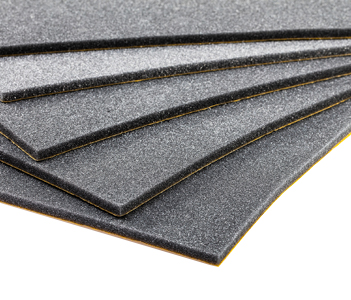
Polyurethane Foam Gaskets: Uses, Benefits and Selection
A polyurethane (PU) foam gasket is a compressible sealing material made from polyurethane foam. It is used between two surfaces to help limit the passage of dust, air, water, noise or vibration. Its flexibility and ability to recover after compression make it useful in applications where surfaces may be uneven or where a softer seal is required.
How polyurethane foam gaskets work
A gasket is fitted between mating surfaces and compressed when the parts are assembled. The foam fills small gaps and helps maintain contact between the surfaces. The amount of compression matters: too little may leave a gap, while too much can damage the foam or reduce its ability to recover.
PU foam is available in different formulations and cell structures. Open-cell foam is generally softer and more breathable, while closed-cell foam can offer better resistance to moisture and air passage. Actual performance depends on the foam grade, density, cell structure, coating and the conditions in which it is used.
Common applications
- Electrical enclosures: Sealing cabinet doors and access panels against dust and, where the material is suitably specified, moisture.
- Automotive and transport: Helping reduce rattling, vibration, noise and the entry of dust or air around components.
- Appliances: Sealing covers, panels and compartments in equipment such as air conditioners and refrigerators.
- Industrial equipment: Providing a cushion and seal between panels, housings and other assembled parts.
- HVAC systems: Sealing selected joints and access panels, subject to temperature and environmental requirements.
Key benefits
- Compressibility: Foam can accommodate minor surface irregularities and variations in gap size.
- Flexibility: It can be supplied in strips, sheets, die-cut shapes or other profiles to suit a design.
- Vibration and noise control: The material can cushion contact between parts and help reduce rattling.
- Light weight: PU foam can provide a seal without adding substantial weight to an assembly.
- Easy conversion: Depending on the grade, it can be cut, laminated or combined with adhesive backing for installation.
Choosing the right PU foam gasket
Before selecting a gasket, assess the gap, the surfaces being sealed and the operating environment. Important considerations include:
- Seal requirement: Decide whether the gasket needs to control dust, air, water, sound or vibration. A foam gasket should not be assumed to provide a particular level of protection without test data.
- Cell structure and density: These affect compression, recovery and resistance to moisture. Confirm that the selected grade suits the application.
- Compression range: Check the manufacturer’s guidance for the recommended deflection and sealing force.
- Temperature and exposure: Consider operating temperature, sunlight, chemicals, oils and cleaning agents. PU grades can differ in their resistance to these conditions.
- Dimensions and tolerance: Specify the gasket thickness, width, profile and acceptable dimensional variation.
- Adhesive backing: Where a self-adhesive gasket is required, check that the adhesive is compatible with the surface and service conditions.
Installation and care
Clean and dry the mounting surface before fitting the gasket. Position it without stretching, twisting or bunching, and use even pressure when assembling the parts. Follow the supplier’s guidance on compression and adhesive application. Regularly inspect the seal for gaps, permanent compression, cracking or detachment, particularly in demanding environments.
Conclusion
Polyurethane foam gaskets are versatile components for sealing, cushioning and vibration control across a range of industries. Choosing the right grade is essential: performance depends on the foam construction, dimensions, compression and service conditions. For critical applications, consult the gasket manufacturer and verify the material against the relevant performance requirements before production use.
6 Essential Tips for Choosing, Fitting and Maintaining Polyurethane Foam Gaskets
- Choose a gasket with the right thickness and density for the gap.
- Clean and dry the surface before fitting the gasket.
- Compress the foam evenly to ensure a proper seal.
- Check chemical and temperature compatibility before use.
- Store gaskets in a cool, dry place away from sunlight.
- Replace the gasket if it cracks, hardens or loses shape.
Choose a gasket with the right thickness and density for the gap.
Choose a polyurethane foam gasket with a thickness and density suited to the gap it needs to seal. A gasket that is too thin may not compress enough to close the gap, while one that is too thick may be over-compressed and lose its ability to recover. Density also affects firmness and compression behaviour, so check the manufacturer’s recommendations and allow for the expected compression when selecting a gasket.
Clean and dry the surface before fitting the gasket.
Before fitting a polyurethane foam gasket, clean and thoroughly dry the surface to remove dust, grease, moisture and other contaminants. A clean, dry surface helps the gasket sit evenly and, where it has an adhesive backing, supports better adhesion. Avoid stretching or twisting the gasket during installation, and follow the manufacturer’s instructions for preparing the surface and applying the seal.
Compress the foam evenly to ensure a proper seal.
Compress a polyurethane foam gasket evenly across its entire surface to create a consistent seal. Uneven pressure can leave gaps in some areas while over-compressing others, which may reduce sealing performance or damage the foam. Ensure the mating surfaces align properly and follow the manufacturer’s recommended compression range.
Check chemical and temperature compatibility before use.
Before using a polyurethane foam gasket, check that it is compatible with the chemicals and temperature conditions it will encounter. Oils, solvents, cleaning agents and other substances can cause some foam grades to swell, soften or deteriorate, while excessive heat or cold may affect their flexibility and sealing performance. Review the material supplier’s specifications and, for critical applications, test the gasket under actual service conditions.
Store gaskets in a cool, dry place away from sunlight.
Store polyurethane foam gaskets in a cool, dry place away from direct sunlight, heat and moisture. Prolonged exposure can affect the foam and reduce its flexibility or sealing performance. Keep gaskets clean and flat, preferably in their original packaging, until they are ready to be installed.
Replace the gasket if it cracks, hardens or loses shape.
Replace a polyurethane foam gasket if it shows cracks, becomes hard or loses its original shape. These changes can reduce its ability to compress and seal properly, allowing dust, air or moisture to pass through. Inspect the gasket regularly, especially in demanding conditions, and fit a suitable replacement to help maintain reliable sealing.