
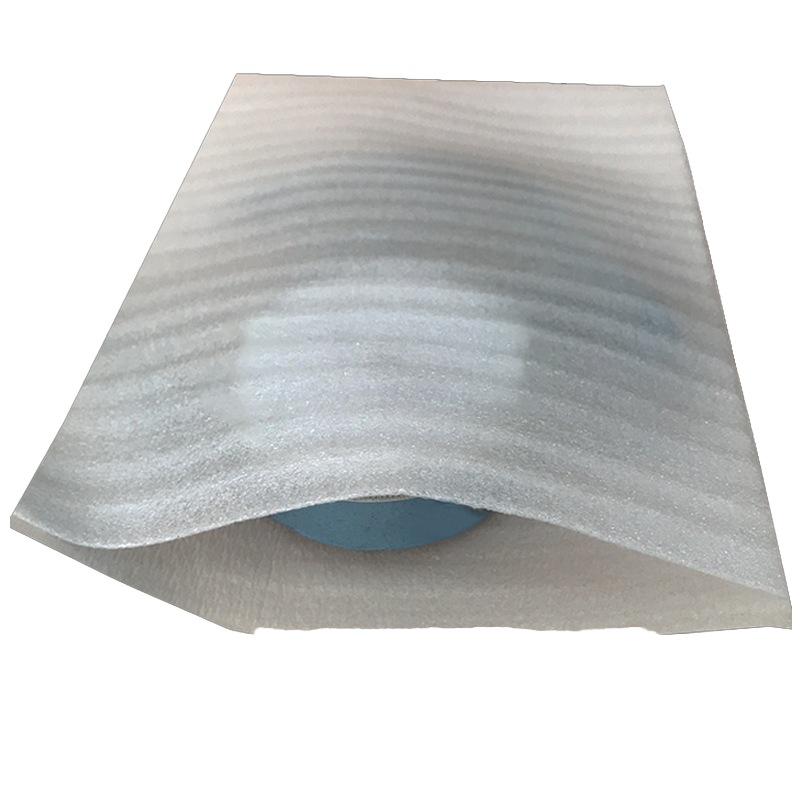
PE Foam Bags: Lightweight Protection for Products in Transit
PE foam bags are protective packaging made from polyethylene foam. Soft, lightweight and cushioning, they help shield products from scratches, minor impacts and surface abrasion during storage, handling and transport. They are commonly used to pack items that need more protection than a standard plastic bag can provide.
What Is a PE Foam Bag?
A PE foam bag is usually made from flexible polyethylene foam, often expanded polyethylene (EPE). The foam has a closed-cell structure, which gives it a soft feel and helps it resist moisture. Bags may be supplied in different thicknesses, sizes and formats, including flat pouches, sleeves and custom-made covers.
PE foam packaging should not be confused with a thin polythene bag. A conventional PE bag is primarily a film, while a PE foam bag has a thicker, cushioned structure designed to help protect the packed item.
Key Benefits
- Cushioning: The foam can help reduce the effect of knocks and vibration during handling and transit.
- Surface protection: Its soft surface helps minimise scratches, scuffs and rubbing, particularly on finished or delicate products.
- Light weight: Foam bags add relatively little weight to a package, which can be useful for shipping and handling.
- Moisture resistance: Closed-cell polyethylene foam does not readily absorb water, although the level of protection depends on the bag’s construction and closure.
- Flexible formats: Bags can be made in a range of dimensions and thicknesses to suit different products.
- Easy handling: They are generally simple to open, load and use as an inner layer within a larger carton.
Common Applications
PE foam bags are used across a range of industries where products need protection from contact, light impact or abrasion. Typical applications include:
- Electronics, computer accessories and components
- Glassware, ceramics and other fragile goods
- Furniture parts, fittings and finished surfaces
- Automotive components and precision-engineered items
- Medical and laboratory equipment, where packaging specifications permit
- Display products, hardware and household goods
For heavier or highly fragile products, a foam bag may be used alongside other protective materials, such as a corrugated carton, moulded inserts or additional cushioning. A bag alone may not provide enough protection against severe impacts or compression.
How to Choose the Right PE Foam Bag
The right bag depends on the product, its handling conditions and the level of protection required. Consider the following before selecting a specification:
- Product dimensions: Choose a bag that fits comfortably without placing excessive pressure on the item.
- Foam thickness and density: These affect cushioning, flexibility and durability. The appropriate choice depends on the product’s weight and fragility.
- Surface sensitivity: Delicate finishes may need a clean, soft inner surface to reduce the risk of marks.
- Closure and access: Decide whether an open-ended sleeve, a flap or another closure is suitable for packing and unpacking.
- Packaging system: Check how the bag will fit inside the outer carton and whether additional cushioning is needed.
- Storage and transport conditions: Consider exposure to moisture, temperature changes, repeated handling and stacking.
Where product quality or safety is critical, trial the packaging under realistic handling and transport conditions before adopting it at scale.
PE Foam Bags and Sustainability
Polyethylene is a plastic material, so disposal and recycling options depend on local facilities, the bag’s composition and any labels or coatings. Reuse bags where practical, and check with local waste-management providers about accepted recycling streams. Businesses can also review packaging size and material use to avoid overpacking while maintaining suitable product protection.
Conclusion
PE foam bags offer a practical way to help protect products from scratches, scuffs and minor impacts. Their low weight, flexibility and availability in different formats make them useful for many packaging applications. Selecting the right thickness and size—and combining the bag with an appropriate outer package when needed—can help improve protection throughout storage and transit.
PE Foam Bags: 8 Frequently Asked Questions About Uses, Protection, Sizes and Recycling in India
- What is a PE foam bag?
- What are PE foam bags used for?
- How do PE foam bags protect products during storage and transport?
- What sizes and thicknesses are available for PE foam bags?
- Are PE foam bags water-resistant?
- Can PE foam bags be reused or recycled in India?
- How do I choose the right PE foam bag for my product?
- Can PE foam bags be customised with specific dimensions or closures?
What is a PE foam bag?
A PE foam bag is a protective pouch or sleeve made from polyethylene foam, commonly expanded polyethylene (EPE). Its soft, cushioning structure helps protect products from scratches, scuffs and minor impacts during storage and transport. Lightweight and flexible, PE foam bags are available in different sizes and thicknesses for items such as electronics, glassware, furniture components and other delicate goods.
What are PE foam bags used for?
PE foam bags are used to protect products from scratches, scuffs and minor impacts during storage, handling and transport. Their soft, lightweight cushioning makes them suitable for items such as electronics, glassware, furniture parts, automotive components and other delicate or finished goods. For heavier or particularly fragile products, they can be used as an inner protective layer alongside a sturdy outer carton and additional cushioning.
How do PE foam bags protect products during storage and transport?
PE foam bags help protect products during storage and transport by cushioning them against minor knocks, vibration and abrasion. Their soft, flexible surface helps prevent scratches and scuffs, while the lightweight, closed-cell foam can resist moisture. For fragile or heavy items, PE foam bags are best used with a suitable outer carton and additional cushioning, as the bags alone may not protect against strong impacts or compression.
What sizes and thicknesses are available for PE foam bags?
PE foam bags are available in a range of sizes and thicknesses to suit different products, from small components to larger items. They can also be made to custom dimensions, with the foam thickness selected according to the product’s weight, fragility and required level of cushioning. Availability varies by supplier, so share your product measurements and packaging needs when requesting options.
Are PE foam bags water-resistant?
PE foam bags are generally water-resistant because polyethylene foam has a closed-cell structure that absorbs very little moisture. They can help protect products from light splashes and damp conditions, but they may not be fully waterproof—especially if the bag has open seams or no secure closure. For protection from heavy rain, immersion or prolonged exposure to water, use suitable sealed packaging and confirm that it meets your requirements.
Can PE foam bags be reused or recycled in India?
PE foam bags can often be reused if they are clean, dry and undamaged, making them useful for protecting items during storage or future shipments. Recycling in India depends on the bag’s material composition and whether local waste collectors or recycling facilities accept polyethylene foam; collection options can vary by area. Keep the bags separate from wet or mixed waste, check with your local waste-management provider, and consider returning them to the supplier if a take-back scheme is available.
How do I choose the right PE foam bag for my product?
To choose the right PE foam bag, consider your product’s dimensions, weight, fragility and surface finish. Select a bag that fits comfortably without being too tight, and choose a suitable foam thickness and density for the level of cushioning required. For delicate or heavy items, use the bag with an outer carton or additional cushioning, as a foam bag alone may not protect against strong impacts. It is also helpful to test the packaging under typical storage and transport conditions before placing a larger order.
Can PE foam bags be customised with specific dimensions or closures?
Yes, PE foam bags can be customised to suit specific product dimensions and packaging requirements. They may be made in different lengths, widths and thicknesses, with options such as open ends, flaps, adhesive strips or other closures, depending on the supplier. Share your product measurements and protection needs with the manufacturer to identify a suitable design and confirm available options.