
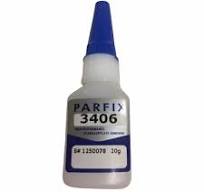
Parfix Polyurethane: Uses, Benefits and Things to Consider
Polyurethane (PU) is a versatile material used in adhesives, sealants, coatings, foams and other products. Parfix polyurethane products are intended for applications where a strong bond or a durable finish is required. The right product and method of use depend on the specific Parfix formulation, so always check the product label and technical information before starting a job.
What Is Polyurethane?
Polyurethane is a family of materials made by combining chemical components to create products with different properties. Depending on its formulation, PU can be flexible or rigid, and may provide resistance to wear, moisture or impact. These qualities make it useful across construction, furniture, manufacturing and repair work.
Where Parfix Polyurethane May Be Used
PU products are available in a range of forms, and their applications vary. Depending on the product, a Parfix polyurethane formulation may be suitable for tasks such as bonding, sealing or surface protection. Potential uses can include work involving wood, metal, concrete or other materials, but compatibility should never be assumed: confirm that the product is specified for both surfaces and the intended environment.
For example, an adhesive is selected to join materials, while a sealant is intended to close gaps or joints. A coating has a different purpose again. Choosing the correct type is important for performance and safety.
Possible Benefits
- Versatility: Polyurethane formulations are available for different applications and material types.
- Durability: Some PU products are designed to withstand regular use, depending on the formulation and conditions.
- Strong bonding: PU adhesives can provide a firm bond when used with compatible surfaces and according to instructions.
- Useful performance options: Different products may offer properties suited to indoor, outdoor or specific service conditions.
These are general characteristics of polyurethane products, not a guarantee of the performance of every Parfix product. Refer to the product’s technical data sheet for confirmed claims, limitations and application details.
How to Use a Parfix PU Product
- Identify the application: Check that the product is an adhesive, sealant, coating or other type suited to the job.
- Prepare the surfaces: Follow the label instructions. Surfaces may need to be clean, dry and free from dust, oil or loose material.
- Check compatibility: Test the product on a small, inconspicuous area if the material or finish may be affected.
- Apply as directed: Follow the stated application method, quantity and any requirements for clamping or curing.
- Allow adequate curing time: Drying and curing times vary with the formulation, temperature, humidity and application thickness. Do not put the bond or treated surface into service too soon.
Safety and Storage
Read the label and safety information before use. Work in a well-ventilated area, wear the protective equipment recommended by the manufacturer and avoid contact with skin and eyes. Keep the product away from children, heat and ignition sources where instructed. Store it in its original, closed container under the conditions printed on the packaging.
Choosing the Right Product
Before buying Parfix polyurethane, consider the materials involved, the purpose of the application, exposure to moisture or weather, and the required finish. Product names and formulations can differ, so verify the intended use, coverage, curing time and limitations on the packaging or technical data sheet. If the application is structural or safety-critical, consult a qualified professional.
Conclusion
Parfix polyurethane may be an option for projects requiring a PU-based adhesive, sealant or other specialised product. The best results depend on choosing the correct formulation, preparing surfaces properly and following the manufacturer’s instructions. Always use the product information for the specific Parfix item rather than relying on general characteristics of polyurethane.
5 Key Benefits of Parfix Polyurethane for Versatile Bonding Applications
- Versatile for a range of applications.
- Can provide strong bonding when used as directed.
- Available in formulations for different project needs.
- May offer durable performance on compatible materials.
- Product instructions help guide application and curing.
Parfix Polyurethane Drawbacks: Curing Delays, Surface Preparation and Safety Precautions
- Curing time can delay project completion.
- Surface preparation is essential for a reliable bond.
- Some formulations may require good ventilation and protective gear.
Versatile for a range of applications.
Parfix polyurethane is versatile and can be used for a range of applications, depending on the specific product formulation. From bonding and sealing to protecting surfaces, it may suit different materials and project requirements. Always check the product label to confirm its intended use and compatibility with the surfaces involved.
Can provide strong bonding when used as directed.
Parfix polyurethane can provide strong bonding when used as directed, making it a useful choice for suitable joining and repair applications. For best results, ensure the surfaces are compatible and properly prepared, then follow the product instructions for application and curing.
Available in formulations for different project needs.
Parfix polyurethane is available in different formulations to suit a range of project needs. Whether the task involves bonding, sealing or protecting a surface, choosing the formulation designed for the specific application can help achieve more reliable results. Always check the product label to confirm its intended use and compatibility with the materials involved.
May offer durable performance on compatible materials.
Parfix polyurethane may offer durable performance when used on compatible materials and applied as directed. Its formulation can help create a lasting bond or finish suited to regular use, though results depend on the specific product, surface preparation and curing conditions. Check the product label to confirm compatibility and follow the manufacturer’s instructions for best results.
Product instructions help guide application and curing.
Clear product instructions make Parfix polyurethane easier to apply correctly. They guide users on surface preparation, application method and curing time, helping the product perform as intended. Following the directions on the specific product label or technical data sheet can also help avoid common mistakes and achieve a more reliable result.
Curing time can delay project completion.
One drawback of Parfix polyurethane is that its curing time can delay project completion. The product may need to remain undisturbed until it has cured sufficiently, so follow-on work cannot always begin straight away. Curing times can vary depending on the specific formulation and site conditions, such as temperature and humidity; check the product instructions and allow for this when planning the work.
Surface preparation is essential for a reliable bond.
A key drawback of Parfix polyurethane is that surface preparation is essential for a reliable bond. Surfaces may need to be clean, dry and free from dust, oil, paint or other contaminants before application. This extra preparation can take time, and a bond may be weaker or fail if the instructions are not followed carefully.
Some formulations may require good ventilation and protective gear.
Some Parfix polyurethane formulations may release fumes during application or curing, so it is important to work in a well-ventilated area. Depending on the product, protective gear such as gloves and eye protection may also be recommended. Always read the label and safety instructions before use, and follow the manufacturer’s guidance to reduce the risk of irritation or other exposure.