
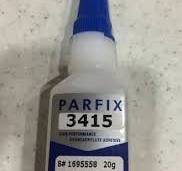
Parfix Polyurethane Sealant and Adhesive: Uses, Benefits and Application Tips
Parfix polyurethane sealant and adhesive is designed for jobs where a strong bond and a flexible seal are both needed. Polyurethane (PU) products are commonly used in building, repair and maintenance work because they can adhere to a range of materials while accommodating some movement in a joint. The exact uses and performance of a particular Parfix product depend on its formulation, so always check the current product label and technical data sheet before use.
What Is a Polyurethane Sealant and Adhesive?
A polyurethane sealant and adhesive combines two functions: it bonds compatible surfaces and helps seal gaps against air, dust and moisture. Unlike a rigid adhesive, a PU product generally retains some flexibility after curing. This can make it suitable for joints or components that experience vibration, temperature changes or slight movement.
Common Applications
Depending on the product specification and the materials involved, Parfix PU sealant and adhesive may be considered for applications such as:
- Sealing construction joints and gaps
- Bonding compatible building and repair materials
- Automotive or general maintenance work, where the product is specifically approved for the purpose
- Projects where a durable, flexible bond is preferred over a rigid one
Do not assume that one product is suitable for every surface or environment. Check whether it is recommended for the intended substrate and whether it is suitable for interior or exterior use, permanent water exposure, movement joints or other specific conditions.
Potential Benefits
- Flexible performance: A cured PU sealant can accommodate some movement in a joint.
- Dual-purpose use: Certain formulations can be used for both bonding and sealing.
- Versatile applications: PU products may be suitable for a range of materials when the product instructions confirm compatibility.
- Durable finish: Correct preparation and application can help produce a lasting seal or bond.
How to Apply It
- Prepare the surfaces: Remove dust, oil, loose material and old sealant. Surfaces should be prepared as directed on the product packaging.
- Check compatibility: Test the product on an inconspicuous area if the surface or finish is uncertain. Some materials may require a primer.
- Apply evenly: Use the recommended applicator and follow the instructions for bead size, joint design and tooling.
- Allow it to cure: Keep the joint or bonded components undisturbed for the time stated by the manufacturer. Cure time can vary with temperature, humidity, joint size and substrate.
- Clean up promptly: Follow the label guidance for removing uncured product. Once cured, removal may be more difficult.
Safety and Storage
Read the safety information on the packaging before use. Wear suitable gloves and eye protection, and work in a well-ventilated area. Keep the product away from children and store it as directed. Polyurethane products may be unsuitable for certain plastics, coatings or sensitive materials, so confirm suitability before application.
Choosing the Right Product
Before buying or applying Parfix polyurethane sealant and adhesive, identify the materials being joined, the amount of movement expected and the conditions the finished joint will face. Check the product’s technical information for approved substrates, application limits, curing details and any preparation requirements. For structural, safety-critical or specialist applications, seek advice from a qualified professional.
Conclusion
Parfix polyurethane sealant and adhesive can be a practical option for projects that require both bonding and flexible sealing. Careful surface preparation, correct product selection and adherence to the manufacturer’s instructions are essential for a reliable result.
Parfix Polyurethane Sealant and Adhesive: 7 Frequently Asked Questions
- What is Parfix polyurethane sealant and adhesive used for?
- Which materials can Parfix polyurethane sealant and adhesive bond to?
- Is Parfix polyurethane sealant and adhesive suitable for both indoor and outdoor use?
- How should surfaces be prepared before applying Parfix polyurethane sealant and adhesive?
- How long does Parfix polyurethane sealant and adhesive take to cure?
- Can Parfix polyurethane sealant and adhesive be painted over after curing?
- What safety precautions should be followed when using Parfix polyurethane sealant and adhesive?
What is Parfix polyurethane sealant and adhesive used for?
Parfix polyurethane sealant and adhesive is used to bond compatible materials and seal joints or gaps where a flexible, durable finish is required. Depending on the product’s specifications, it may be suitable for building, repair or maintenance applications. Always check the product label and technical data sheet to confirm that it is appropriate for the surfaces and conditions involved.
Which materials can Parfix polyurethane sealant and adhesive bond to?
Parfix polyurethane sealant and adhesive can bond to a range of materials, which may include concrete, masonry, timber, metal and ceramic, depending on the specific product. Suitability can vary for plastics, painted or coated surfaces and other specialised materials, so check the product label or technical data sheet before use. Ensure surfaces are clean and properly prepared, and test an inconspicuous area if compatibility is uncertain.
Is Parfix polyurethane sealant and adhesive suitable for both indoor and outdoor use?
Parfix polyurethane sealant and adhesive may be suitable for indoor and outdoor applications, but this depends on the specific product formulation and its stated uses. Check the product label or technical data sheet to confirm weather resistance and suitability for your surfaces and application. Follow the manufacturer’s instructions for surface preparation, application and curing, and use the product only in conditions specified.
How should surfaces be prepared before applying Parfix polyurethane sealant and adhesive?
Before applying Parfix polyurethane sealant and adhesive, ensure the surfaces are clean, dry and sound. Remove dust, dirt, oil, grease, loose paint and any old sealant, then allow the surfaces to dry completely. Use a cleaner or primer only if recommended for the material and specified in the product instructions, and test compatibility on an inconspicuous area if unsure.
How long does Parfix polyurethane sealant and adhesive take to cure?
Parfix polyurethane sealant and adhesive curing time depends on the specific product, bead thickness, temperature, humidity and the materials being joined. It may form a surface skin before it has fully cured, so avoid disturbing or loading the joint until the manufacturer’s recommended curing period has passed. Check the product label or technical data sheet for the stated cure rate and allow extra time for thicker applications or cool, dry conditions.
Can Parfix polyurethane sealant and adhesive be painted over after curing?
Parfix polyurethane sealant and adhesive may be paintable after it has fully cured, but this depends on the specific product and the paint used. Check the product label or technical data sheet for guidance, and allow the recommended curing time before painting. For best results, test the paint on a small, inconspicuous area first, as some paints may not adhere well or may crack over a flexible joint.
What safety precautions should be followed when using Parfix polyurethane sealant and adhesive?
When using Parfix polyurethane sealant and adhesive, read and follow the product label and safety data sheet before starting. Work in a well-ventilated area, avoid breathing vapours and prevent the product from contacting your skin or eyes by wearing suitable gloves and safety glasses. Keep it away from children, food and sources of ignition, and do not eat, drink or smoke while applying it. Wash your hands after use and follow the label’s instructions for cleaning spills, disposal and storage. If the product gets into your eyes or causes irritation, follow the first-aid directions on the packaging and seek medical advice if needed.