
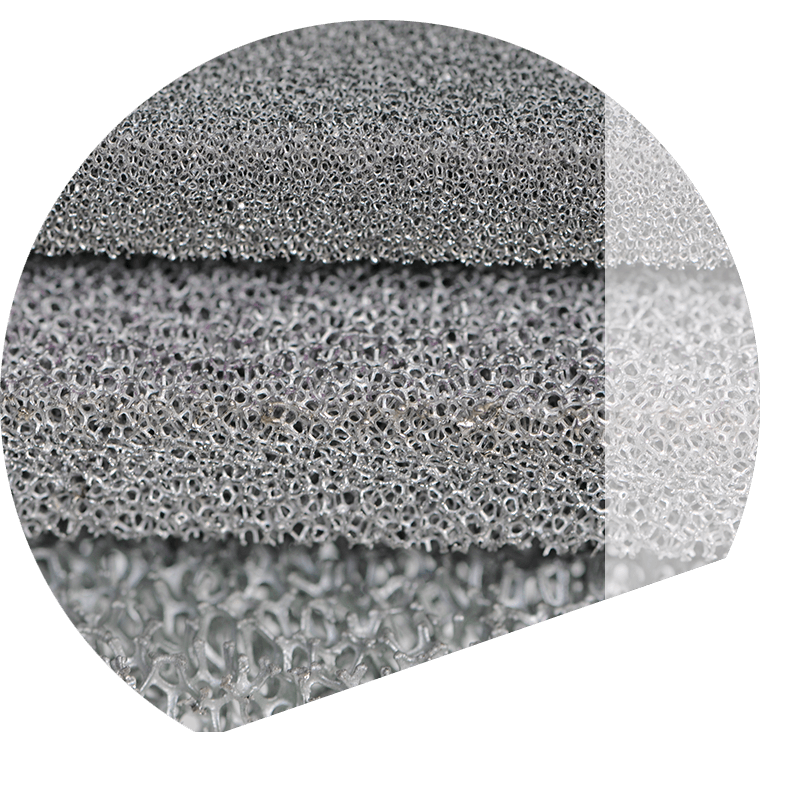
Foam Technology: Materials Shaping Modern Life
Foam technology is the science and engineering of materials made up of small gas-filled cells within a solid or liquid structure. By controlling the size, shape and distribution of these cells, manufacturers can create materials that are lightweight, insulating, soft, resilient or strong. These properties make foams important across many industries, from construction and transport to furniture, packaging and healthcare.
What Is Foam?
A foam is formed when gas is dispersed through a material. In solid foams, the material surrounding the cells hardens to create a structure that can provide cushioning, thermal insulation or support. Foams may have an open-cell structure, in which cells are connected and allow air to move through the material, or a closed-cell structure, in which cells are largely sealed. Open-cell foams are often soft and breathable, while closed-cell foams typically offer greater resistance to moisture and heat transfer.
Polyurethane Foam
Polyurethane (PU) foam is one of the most widely used foam materials. It is produced through a chemical reaction involving polyols and isocyanates, along with other ingredients that help control properties such as density, flexibility, cell structure and curing time. The formulation and manufacturing process can be adjusted to make foam for different uses.
Flexible PU foam is commonly used in mattresses, upholstered furniture, vehicle seating and cushioning. Rigid PU foam is valued for its thermal insulation performance and is used in buildings, appliances, cold-storage facilities and transport equipment. Other polyurethane foam products are designed for applications such as sound absorption, protective packaging and specialist industrial uses.
How Foam Is Made
Foam manufacturing generally involves mixing the required ingredients and allowing the material to expand and set. In a simplified process, a foaming agent creates gas bubbles, while the reacting material forms a polymer around them. Manufacturers carefully manage mixing, temperature, timing and curing to achieve the intended structure and performance.
Different production methods are used depending on the product. Flexible foam may be produced in large blocks and cut to size, or moulded into a particular shape. Rigid foam can be made as boards, panels or in-place insulation. Consistent quality depends on suitable equipment, trained operators and appropriate checks at each stage of production.
Where Foam Technology Is Used
- Homes and buildings: Insulation, acoustic treatments, mattresses, furniture and cushioning.
- Transport: Seating, headrests, interior components, vibration control and insulation.
- Appliances and refrigeration: Insulation that helps reduce heat transfer and maintain temperature.
- Packaging: Protective cushioning for products that need to be secured during storage and transport.
- Healthcare and personal care: Support surfaces, cushioning and specialised comfort products.
- Industry: Seals, filters, sound-management products and other engineered components.
Benefits and Design Considerations
Foams can provide a useful combination of low weight, cushioning, insulation and design flexibility. Their performance depends on factors such as density, cell structure, thickness and the conditions in which they are used. For example, a material intended to support repeated compression may need different properties from one designed primarily for thermal insulation.
Product designers and manufacturers also need to consider durability, fire performance, indoor air quality, moisture exposure and the relevant standards for the intended application. Selecting the right foam involves matching its properties to the product’s purpose rather than relying on a single specification.
Sustainability and the Future of Foam
As the use of foam grows, attention is increasing on resource efficiency and end-of-life management. Approaches include designing products to last longer, reducing manufacturing waste, using recycled or renewable-content inputs where suitable, and developing methods to recover materials from used products. The best option depends on the foam type, product design and available collection and processing systems.
Research and development are also improving manufacturing efficiency and creating materials with tailored performance. Collaboration among material producers, manufacturers, product designers, users and recyclers can help address practical challenges and support more responsible use of foam products.
Conclusion
Foam technology makes it possible to create materials that are light, comfortable, protective and energy-efficient. Its applications continue to expand as manufacturing methods and material design evolve. By choosing suitable products, maintaining them appropriately and improving recovery and recycling systems, industry and consumers can help maximise the value of foam throughout its life cycle.
6 Essential Tips for Effective, Safe and Sustainable Foam Technology
- Choose foam type based on the application and required strength.
- Use compatible surfactants to improve foam formation.
- Control air flow and mixing for consistent bubble size.
- Test foam stability under expected heat and humidity.
- Follow safety guidelines when handling foam chemicals.
- Prefer recyclable or low-impact foam materials where possible.
Choose foam type based on the application and required strength.
Choose the foam type according to its intended application and the strength it needs to provide. For example, cushioning for furniture requires comfort and resilience, while packaging foam must protect products from impact. Insulation applications may need rigid, closed-cell foam, whereas sound absorption may call for a softer, open-cell option. Consider factors such as load, durability, moisture exposure and expected use to ensure the foam performs safely and effectively.
Use compatible surfactants to improve foam formation.
Using compatible surfactants can improve foam formation by helping the ingredients mix evenly and stabilising the tiny gas bubbles as the foam develops. The right surfactant depends on the foam formulation, production process and desired properties, so it should be selected and tested with the other ingredients. This can help achieve a more uniform cell structure and consistent foam quality.
Control air flow and mixing for consistent bubble size.
For consistent foam quality, carefully control both air flow and mixing. A steady air supply helps create bubbles of a more uniform size, while consistent mixing distributes them evenly throughout the material. Changes in air pressure, mixing speed or mixing time can produce uneven bubbles, affecting the foam’s texture, strength and performance. Regularly monitor and adjust these process conditions to maintain reliable results from batch to batch.
Test foam stability under expected heat and humidity.
Test foam stability under the heat and humidity it is expected to experience in use. These conditions can affect the foam’s shape, strength, flexibility and ageing, so testing helps identify performance issues before a product reaches the market. Use representative exposure conditions and check for changes such as shrinkage, softening, cracking or loss of resilience. This helps ensure the foam remains reliable and fit for its intended application.
Follow safety guidelines when handling foam chemicals.
Always follow the safety guidelines and product instructions when handling foam chemicals. Wear the recommended personal protective equipment, such as chemical-resistant gloves, safety goggles and suitable clothing, and work in a well-ventilated area. Keep chemicals away from heat, sparks and incompatible materials, and never mix products unless the instructions specifically allow it. Store and dispose of chemicals safely, and ensure that workers know the steps to take in case of a spill or exposure.
Prefer recyclable or low-impact foam materials where possible.
Where practical, choose foam materials that are recyclable or have a lower environmental impact. Consider the product’s intended use, durability and local recycling options, as these affect how easily the material can be recovered at the end of its life. Asking suppliers for clear information about material composition and available take-back or recycling schemes can help support more responsible purchasing decisions.