
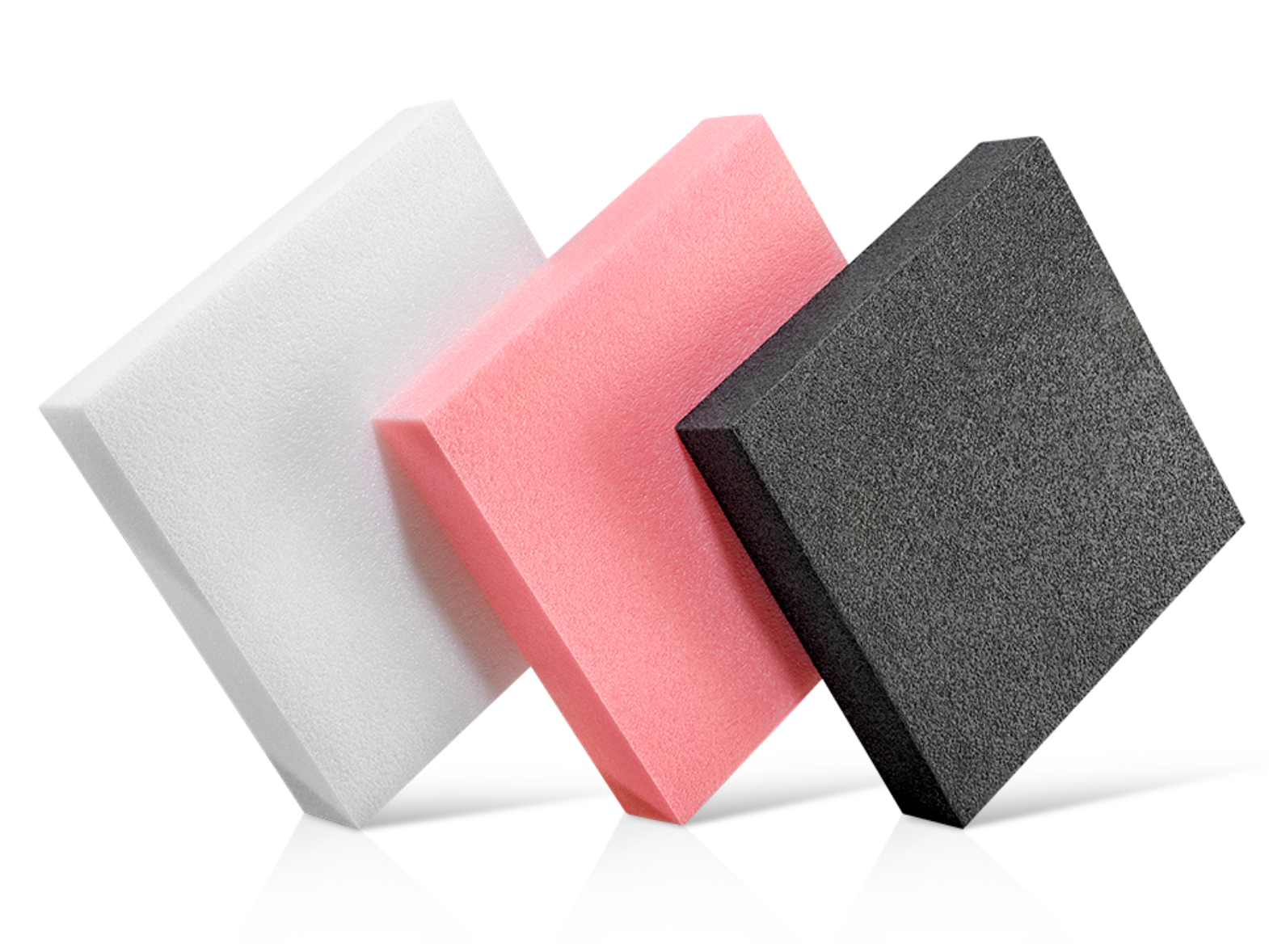
Foam Solutions: Creating Comfort, Protection and Performance
Foam is an essential material in many products and industries, from mattresses and furniture to vehicles, buildings, packaging and appliances. Its light weight, cushioning ability and versatility make it suitable for a wide range of uses. Among the available materials, polyurethane (PU) foam is valued for its adaptability: its properties can be tailored to meet different needs, from softness and comfort to support, insulation and protection.
What Are Foam Solutions?
Foam solutions combine the right material, design and manufacturing process for a particular application. The best choice depends on factors such as the required level of support, durability, density, flexibility, thermal performance, fire safety and exposure to moisture or chemicals. Selecting foam for a product is therefore about more than choosing a material; it is about matching performance to purpose.
Common Types of Foam
- Flexible PU foam: Commonly used in mattresses, seating, cushions and automotive interiors. It can be formulated to provide different levels of softness, resilience and support.
- Rigid PU foam: Used for thermal insulation in buildings, cold-storage facilities, appliances and industrial equipment. Its cellular structure can help limit heat transfer.
- Spray foam: Applied on site to help insulate and seal building surfaces. Application should be carried out by trained professionals using suitable products and safety procedures.
- Speciality foams: Designed for specific requirements, such as sound absorption, filtration, packaging, vibration control or protection of sensitive components.
Where Foam Solutions Are Used
In homes, foam contributes to the comfort of mattresses, sofas and other upholstered furniture. In the automotive sector, it is used in seats, headrests and interior components, where comfort, durability and weight are important considerations. In construction, insulation foams can support energy-efficient building design when correctly specified and installed. Foam packaging helps cushion products during storage and transport, while industrial applications may use foam for sealing, cushioning, acoustic treatment or filtration.
Choosing the Right Foam
A suitable foam solution starts with a clear understanding of how the product will be used. Consider the expected load, frequency of use, operating temperature and environment. For seating, comfort and long-term support matter. For insulation, thermal performance and installation details are key. For packaging, the foam should protect the item without adding unnecessary bulk.
It is also important to review relevant product standards, safety requirements and manufacturer guidance. Product performance can vary according to formulation, design and conditions of use, so technical data should be checked before making a selection. For building applications, professional assessment and correct installation can help ensure the intended performance.
Innovation and Sustainability
Foam manufacturers and users are increasingly looking at ways to improve material efficiency, product longevity and end-of-life management. Approaches may include designing products to use materials more efficiently, extending service life, exploring recycled content where technically appropriate, and developing collection or recycling pathways. The most suitable approach depends on the foam type, application and available local infrastructure.
Responsible use also includes safe handling during manufacture and installation, as well as following guidance for ventilation, personal protective equipment and disposal. These practices help protect workers, users and the environment.
Conclusion
Foam solutions support comfort, insulation, protection and performance across many sectors. By identifying the needs of an application and selecting materials with appropriate technical and safety characteristics, businesses can make informed choices. Continued innovation in design, manufacturing and end-of-life management will help the foam industry respond to changing expectations in India and around the world.
5 Essential Tips for Choosing, Mixing and Storing Foam Solutions
- Choose a foam solution suited to the task.
- Mix it in the ratio shown on the label.
- Use clean water for consistent foam.
- Avoid mixing different foam products.
- Store the solution in a cool, dry place.
Choose a foam solution suited to the task.
Choose a foam solution suited to the task by considering how it will be used and the performance it needs to deliver. Factors such as comfort, support, durability, insulation, cushioning, moisture exposure and safety requirements can all affect the right choice. Checking product specifications and seeking advice from a qualified supplier can help ensure the foam performs reliably in its intended application.
Mix it in the ratio shown on the label.
For the best foam performance, mix the components in the exact ratio shown on the product label. Measure each component carefully and follow the manufacturer’s instructions for mixing time and method. Incorrect proportions can affect the foam’s rise, consistency and final properties. Use the recommended protective equipment and work in a well-ventilated area.
Use clean water for consistent foam.
Use clean water to help achieve consistent foam quality. Impurities or contaminants in the water can affect the foaming process and lead to variations in texture, density or performance. For reliable results, use water that meets the equipment and formulation requirements, and keep storage containers and mixing tools clean.
Avoid mixing different foam products.
Avoid mixing different foam products unless the manufacturers confirm they are compatible. Foams can vary in composition, curing times and application requirements, so combining products may affect adhesion, expansion or final performance. It could also create safety or quality issues. Check product labels and technical guidance, and use each foam as directed.
Store the solution in a cool, dry place.
Store foam solutions in a cool, dry place, away from direct sunlight, heat sources and moisture. Suitable storage conditions help maintain product quality and performance. Always keep containers sealed and follow the manufacturer’s instructions for storage and handling.