
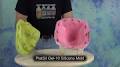
Casting Foam Urethane: A Practical Guide
Casting foam urethane is a process for making lightweight, three-dimensional parts from liquid polyurethane components. Once mixed, the materials react and expand into foam, taking the shape of a mould. The finished part can be soft and flexible or firm and rigid, depending on the formulation.
What Is Casting Foam Urethane?
Urethane casting foam is generally supplied as two liquid components. These are commonly called Part A and Part B and are mixed in a specified ratio. The reaction produces heat and causes the mixture to expand and cure. The result is a cellular material made up of many small bubbles.
Different formulations offer different properties, including density, firmness, flexibility, resilience and resistance to wear. Some products are designed to create open-cell foam, which is softer and more compressible. Others form closed-cell foam, which is usually firmer and may offer better resistance to moisture.
How the Casting Process Works
- Choose the foam: Select a product suited to the part’s intended use, required density and mould size. Check the manufacturer’s technical data sheet before starting.
- Prepare the mould: Ensure the mould is clean, dry and suitable for the material. Apply a compatible release agent if required.
- Measure the components: Measure Part A and Part B precisely according to the specified mix ratio. Incorrect proportions can affect expansion, cure and final properties.
- Mix thoroughly: Combine the components using the recommended method and mixing time. Work promptly, as the material may begin reacting soon after mixing.
- Pour into the mould: Pour the mixture into the mould, allowing space for expansion. The required amount depends on the foam’s expansion rate and the mould’s volume.
- Allow it to cure: Leave the casting undisturbed for the recommended time. Once cured, remove it from the mould and allow any further conditioning specified by the supplier.
Common Applications
Casting foam urethane is used to make a wide range of components, from prototypes and display models to functional parts. Common applications include:
- Protective packaging and cushioning
- Props, displays and model-making
- Seating, padding and ergonomic components
- Insulation and buoyancy components
- Lightweight cores and decorative features
- Low-volume prototypes and custom moulded parts
The right formulation depends on the job. A soft foam may be suitable for cushioning, while a rigid foam may be better for a lightweight shape that needs to hold its form. Product data should be checked for details such as density, compression behaviour, cure time and temperature limits.
Factors That Affect the Finished Casting
Good results depend on more than the choice of foam. Accurate measuring, thorough mixing and consistent working conditions are important. Moisture, contamination, unsuitable mould materials or incorrect temperatures can affect the reaction and the surface finish. Mould design also matters: vents, fill points and adequate space for expansion can help produce a more consistent part.
Small test pours are useful when working with a new mould or material. They can help confirm the required pour quantity, expansion behaviour and demoulding time before a larger production run.
Safety and Handling
Uncured polyurethane components may present health and handling risks. Follow the product label and safety data sheet, and use the protective equipment and ventilation specified by the manufacturer. Avoid skin and eye contact, keep materials away from food and drink, and do not handle or dispose of chemicals casually. Isocyanate-containing products require particular care; only use them in accordance with the supplier’s safety instructions and applicable local requirements.
Mixing and curing can generate heat. Do not exceed the recommended batch size, and never use a container or mould that is unsuitable for the process. Keep materials out of reach of children and ensure that waste is handled in line with the product guidance.
Choosing a Foam for Your Project
Before selecting a casting foam, consider the finished part’s purpose, the required firmness and weight, the mould dimensions, the expected service conditions and the production quantity. Compare technical data sheets rather than relying on general descriptions such as “soft” or “rigid”. When the application is safety-critical or the part must meet specific performance standards, consult the material supplier or a qualified professional.
Conclusion
Casting foam urethane offers a versatile way to create lightweight parts in a variety of shapes and densities. Careful material selection, accurate mixing, suitable mould preparation and safe handling are key to achieving reliable results. By following the manufacturer’s instructions and testing the process on a small scale, makers and manufacturers can make better-informed choices for their projects.
Casting Foam Urethane: 7 Frequently Asked Questions
- What is casting foam urethane?
- How do you mix urethane foam components correctly?
- How much urethane foam should I pour into a mould?
- How long does casting foam urethane take to expand and cure?
- What is the difference between open-cell and closed-cell urethane foam?
- Which mould materials and release agents are suitable for urethane foam casting?
- What safety precautions should I take when casting urethane foam?
What is casting foam urethane?
Casting foam urethane is a polyurethane material supplied as liquid components that are mixed and poured into a mould. The mixture reacts and expands as it cures, forming a lightweight foam part that takes the shape of the mould. Depending on the formulation, the finished foam can be soft and flexible or firm and rigid, making it suitable for applications such as cushioning, packaging, models and custom components. Always follow the manufacturer’s mixing, curing and safety instructions.
How do you mix urethane foam components correctly?
To mix urethane foam components correctly, first check the manufacturer’s instructions for the specified mix ratio, temperature range and working time. Measure Part A and Part B accurately using the recommended method, then combine them in a clean, dry container and mix thoroughly for the stated time, scraping the sides and base if advised. Pour the mixture promptly, as it begins to react and expand soon after mixing. Wear the protective equipment specified in the product safety data sheet, and avoid introducing moisture or contaminants, which can affect the finished foam.
How much urethane foam should I pour into a mould?
The amount of urethane foam to pour depends on the product’s expansion ratio and the mould’s volume. Check the manufacturer’s technical data sheet, calculate the required liquid volume from the mould capacity and stated expansion ratio, and allow space for the foam to expand. As expansion can vary with temperature and mixing conditions, test a small quantity first and adjust the pour as needed; avoid overfilling, which can cause overflow or excessive pressure in the mould.
How long does casting foam urethane take to expand and cure?
Casting foam urethane usually begins expanding within seconds to a few minutes after mixing, while the rise and initial cure may take several minutes. It may be ready to demould soon after, but full curing can take longer, depending on the formulation. Timing varies with the product, mix ratio, temperature, batch size and mould conditions, so follow the manufacturer’s technical data sheet and distinguish between demoulding time and full cure time.
What is the difference between open-cell and closed-cell urethane foam?
Open-cell urethane foam has interconnected pores, making it softer, more flexible and often more compressible; it can also allow air and moisture to pass through more readily. Closed-cell foam has sealed cells, so it is generally firmer, more resistant to water and better suited to applications needing insulation or buoyancy. The best choice depends on the part’s purpose, required strength and exposure conditions, so check the product’s technical data sheet before casting.
Which mould materials and release agents are suitable for urethane foam casting?
Urethane foam can be cast in moulds made from silicone, metal, or suitably sealed plaster and compatible plastics; porous materials such as plaster should be sealed to prevent the liquid mixture soaking in. Use a release agent specifically recommended for polyurethane foam, such as a compatible mould-release wax or semi-permanent release coating, and apply it evenly. Some silicone moulds may release the casting without an agent, but this should be tested first. Ensure the mould and release coating are completely dry, as moisture can affect the foam’s cure and surface, and always check compatibility with the foam and mould manufacturers’ instructions.
What safety precautions should I take when casting urethane foam?
When casting urethane foam, read the product label and Safety Data Sheet before starting, and follow the manufacturer’s handling, mixing and disposal instructions. Work in a well-ventilated area, wear the recommended protective equipment—typically chemical-resistant gloves and eye protection—and avoid breathing vapours or getting uncured components on your skin. Isocyanate-containing products need particular care, so use them only with the ventilation and precautions specified by the supplier. Keep materials away from heat, food and drink, children and pets, and remember that the reaction can generate heat. Do not exceed the recommended batch size, and clean up spills and dispose of leftover material as directed.