
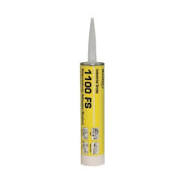
Bostik 1100FS Polyurethane: Uses, Application and Key Considerations
Bostik 1100FS is a polyurethane-based sealant used for sealing joints in building and construction work. Its flexible, elastomeric character makes it suitable for joints that may move as materials expand, contract or settle. As product formulations and approvals can vary by market, check the current Bostik technical data sheet and product label before specifying or applying it.
What is Bostik 1100FS?
Polyurethane sealants are commonly used to form durable seals between construction materials. Bostik 1100FS is intended for joint-sealing applications, such as those found in concrete and masonry construction. The “FS” designation may relate to a particular product variant or use; do not assume a fire-resistance rating from the name alone. Confirm the exact product’s stated performance and approvals with Bostik or its authorised distributor.
Where may it be used?
Depending on the product’s current technical data and the project requirements, Bostik 1100FS may be considered for suitable construction joints, including joints in concrete or masonry. Before use, check that the sealant is compatible with the joint materials and appropriate for the expected movement, exposure and service conditions.
For fire-rated construction, a sealant should only be used as part of a tested and approved fire-stopping system. The joint design, backing material, dimensions and supporting substrates can all affect the system’s performance. Using a sealant by itself does not automatically make a joint fire-rated.
Key benefits of polyurethane joint sealants
- Flexibility: Helps accommodate movement in appropriately designed joints.
- Adhesion: Can bond to compatible construction substrates when surfaces are properly prepared.
- Joint protection: Helps limit the passage of air, water and dust where the product is specified for those conditions.
- Practical application: Sealants supplied in cartridges or sausages can be applied with suitable dispensing equipment.
These are general characteristics of polyurethane sealants, not a substitute for the specific performance data for Bostik 1100FS. Refer to the manufacturer’s documentation for confirmed properties, limitations and test results.
Application guidance
- Check the specification: Confirm that the product is suitable for the substrates, joint dimensions and intended exposure.
- Prepare the joint: Remove dust, loose material, oil, grease and other contaminants. Substrates should meet the preparation requirements in the product instructions.
- Use backing material where specified: A suitable backing rod can help control sealant depth and prevent unwanted three-sided adhesion. Follow the manufacturer’s guidance on joint design.
- Apply evenly: Dispense the sealant into the joint, avoiding gaps or trapped air, then tool the surface as directed.
- Allow it to cure: Protect the joint from disturbance and exposure until it has cured sufficiently. Cure time depends on conditions and must be checked in the technical data sheet.
Safety and storage
Read the product label and safety data sheet before use. Wear suitable protective equipment, ensure adequate ventilation and avoid contact with skin and eyes. Store the product as directed, within its stated shelf life, and keep it out of reach of children. Dispose of unused material and packaging in accordance with local regulations.
Choosing the right sealant
Bostik 1100FS may be a suitable option for a construction joint when its current technical documentation supports the intended application. Check compatibility, movement capability, environmental exposure and any required approvals before work begins. For fire-rated, structural or otherwise critical applications, obtain project-specific advice and use only a system approved for the exact joint construction.
Always follow the latest Bostik technical data sheet, safety data sheet and local building requirements. Product availability and specifications may differ by region.
Bostik 1100FS Polyurethane Adhesive and Joint Sealant: Frequently Asked Questions
What is PU adhesive sealant?
A PU adhesive sealant is a polyurethane-based product that both bonds materials and seals joints. It forms a flexible, durable seal that can accommodate movement and help protect against air, moisture and dust, depending on the product and application. For Bostik 1100FS, check the latest technical data sheet to confirm its approved uses, compatible surfaces and application requirements.
What is bostik used for?
Bostik 1100FS polyurethane is used as a sealant for suitable construction joints, helping to create a flexible seal between compatible building materials such as concrete or masonry. Its suitability depends on the joint design, movement and exposure conditions, so check the latest Bostik technical data sheet before use. For fire-rated applications, use it only as part of a tested and approved system; the product name alone does not confirm a fire rating.
What is polyurethane joint sealant?
A polyurethane joint sealant is a flexible material used to fill and seal gaps between surfaces, such as concrete, masonry or other compatible building materials. It bonds to the joint sides and can accommodate movement caused by temperature changes or building settlement, helping protect the joint from water, air and dust. Check the Bostik 1100FS technical data sheet to confirm its approved uses, substrate compatibility and application requirements.