
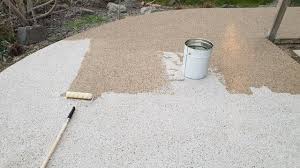
Exterior Polyurethane Concrete Sealer: A Practical Guide
Concrete surfaces exposed to the outdoors face rain, sunlight, temperature changes, dust, vehicle traffic and everyday wear. An exterior polyurethane concrete sealer can help protect suitable concrete from abrasion, staining and weathering while giving the surface a finished appearance. The right product and preparation are essential: a sealer cannot correct weak or poorly prepared concrete, and not every polyurethane coating is suitable for outdoor use.
What is a polyurethane concrete sealer?
Polyurethane is a protective resin applied as a liquid coating that cures to form a film over concrete. Depending on the product, the finish may be clear or pigmented, and may be available in different sheen levels. Exterior formulations are designed for outdoor exposure, but their performance varies. Always check the manufacturer’s technical data sheet for the intended use, UV resistance, application conditions and suitable substrates.
Polyurethane sealers are commonly supplied as one-component or two-component products. One-component products are generally simpler to apply. Two-component products require the resin and hardener to be mixed in the specified proportions and used within the stated working time. The choice should be based on the surface, expected traffic and product instructions—not just the product name.
Benefits and limitations
- Surface protection: A suitable coating can improve resistance to abrasion, scuffing and some common stains.
- Appearance: Clear polyurethane can enhance the colour of concrete, while pigmented options can provide a uniform finish.
- Outdoor performance: Products formulated for exterior use may offer better resistance to sunlight and weathering than products intended only for indoor applications.
- Maintenance: A sealed surface may be easier to clean, although it still needs regular care.
Polyurethane coatings are not a universal solution. Many form a relatively continuous film that can restrict moisture vapour from moving through the concrete. If moisture is rising through a slab, or the concrete is frequently wet, the coating may blister, peel or lose adhesion. A film-forming finish can also become slippery when wet, depending on its texture and the presence of a slip-resistant additive.
Choosing a sealer for outdoor concrete
Before buying a product, consider where it will be used. A driveway, balcony, pathway, terrace and decorative patio may have different exposure and traffic conditions. Check that the label specifically permits exterior concrete use and that the product is suitable for the expected level of foot or vehicle traffic.
Sunlight resistance is another important consideration. Some polyurethane chemistries can yellow or change colour after prolonged UV exposure. Ask the supplier whether the product is UV-stable and whether it is recommended for clear exterior applications. Also check the permitted moisture content of the concrete, required primer, number of coats, recoat window and curing time.
For steps, ramps, pool surrounds and other areas that may become wet, look for guidance on slip resistance. The coating may require a compatible anti-slip aggregate or textured finish. Test the proposed finish in a small, inconspicuous area before treating the whole surface.
Preparing the concrete
Good preparation is central to the success of a polyurethane sealer. Concrete should be sound, clean and sufficiently dry for the product being used. Remove dust, grease, oil, loose material, algae, old coatings and other contaminants. If the surface has been treated with a curing compound or a previous sealer, confirm that the new coating is compatible and that the old material has been removed or properly prepared.
New concrete needs adequate time to cure before coating. The required period depends on the product and site conditions, so follow the manufacturer’s instructions rather than relying on a fixed rule. Repair cracks and surface defects with suitable materials, and address drainage or water-ingress problems before applying a coating. A small test patch can reveal issues such as poor adhesion, uneven appearance or trapped moisture.
Application overview
- Read the product instructions: Check the application temperature, humidity, moisture limits, mixing directions and safety requirements.
- Prepare the surface: Clean and prepare the concrete using the method recommended for the product. Allow it to dry as required.
- Apply any specified primer: Use only a compatible primer, and observe its recoat window.
- Mix carefully: For a two-component product, measure and mix the components exactly as directed. Do not use material beyond its stated working time.
- Apply evenly: Use the recommended roller, brush or spray equipment. Avoid applying the coating too thickly, as this can cause defects or slow curing.
- Allow it to cure: Keep the area free from rain, dust, traffic and water until the stated curing period has passed.
Outdoor conditions can change quickly. Avoid application when rain is expected, on a surface heated by strong sunlight, or outside the temperature and humidity range specified by the manufacturer. High humidity, cool conditions or poor ventilation may affect curing.
Safety and maintenance
Follow the product safety data sheet and use the recommended personal protective equipment. Many coating products contain solvents or reactive chemicals, so provide appropriate ventilation and keep them away from flames and ignition sources where applicable. Prevent uncured material from entering drains or waterways, and dispose of leftover product and containers according to local requirements.
Once cured, clean the surface with suitable, non-abrasive methods. Avoid harsh chemicals unless the manufacturer confirms they are compatible. Inspect the coating periodically for peeling, cracking, wear or water damage. If recoating is needed, clean and prepare the existing finish as directed; applying a new layer over a poorly bonded coating may not solve the problem.
When to seek professional advice
Consider professional installation for large areas, vehicle-access surfaces, balconies above occupied spaces, surfaces with existing coatings, or concrete with persistent dampness. A coating specialist can assess the substrate, identify moisture concerns and recommend a compatible system.
Conclusion
An exterior polyurethane concrete sealer can provide a durable, attractive finish when it is selected for the right application and applied to properly prepared concrete. Check the product’s exterior and UV suitability, consider moisture movement and slip resistance, and follow the manufacturer’s instructions at every stage. Careful preparation and realistic expectations are just as important as the sealer itself.
Exterior Polyurethane Concrete Sealer: 8 Frequently Asked Questions
- What is an exterior polyurethane concrete sealer?
- Is polyurethane concrete sealer suitable for outdoor use?
- How long does exterior polyurethane concrete sealer last?
- Can polyurethane sealer be applied to newly poured concrete?
- How should concrete be prepared before applying polyurethane sealer?
- How many coats of polyurethane concrete sealer are needed?
- Does polyurethane sealer make outdoor concrete slippery when wet?
- How long does polyurethane concrete sealer take to dry and cure?
What is an exterior polyurethane concrete sealer?
An exterior polyurethane concrete sealer is a protective coating applied to outdoor concrete to help resist abrasion, stains and weathering. Once cured, it forms a surface film that can enhance the concrete’s appearance and make it easier to clean. Products vary, so choose one specifically rated for exterior use and check its UV resistance, moisture requirements and slip-resistance guidance before application.
Is polyurethane concrete sealer suitable for outdoor use?
Yes, polyurethane concrete sealer can be suitable for outdoor use, provided the product is specifically formulated for exterior applications. Check the manufacturer’s guidance on UV resistance, weather exposure, moisture limits and suitable surfaces, as some products may yellow or fail when exposed to sunlight or trapped moisture. Prepare the concrete properly, apply the sealer in the recommended conditions and consider a slip-resistant finish for areas that may become wet.
How long does exterior polyurethane concrete sealer last?
Exterior polyurethane concrete sealer typically lasts around 3–5 years, though the actual lifespan depends on the product, surface preparation, sunlight and weather exposure, foot or vehicle traffic, and ongoing maintenance. High-traffic or frequently wet areas may need recoating sooner, while a well-prepared surface with suitable UV-resistant sealer can last longer. Check the manufacturer’s guidance and inspect the coating regularly for peeling, wear or loss of protection.
Can polyurethane sealer be applied to newly poured concrete?
Polyurethane sealer can be applied to newly poured concrete only after the concrete has cured sufficiently and meets the product manufacturer’s moisture requirements. Applying it too soon can trap moisture and lead to blistering, peeling or poor adhesion. The waiting period varies by product and site conditions, so check the technical data sheet and confirm that the surface is clean, sound and dry enough before application.
How should concrete be prepared before applying polyurethane sealer?
Before applying a polyurethane sealer, ensure the concrete is sound, clean and dry to the level specified by the product manufacturer. Remove dust, grease, oil, algae, loose material and any incompatible old coating or curing compound, then repair cracks and surface defects with suitable materials. New concrete must be fully cured as directed, and any moisture or drainage problems should be addressed first, as trapped moisture can cause the sealer to blister or peel. Follow the product’s instructions for surface preparation, primer and moisture testing, and apply a small test patch to check adhesion and appearance before coating the entire area.
How many coats of polyurethane concrete sealer are needed?
The number of coats depends on the product and the condition and porosity of the concrete. Most exterior polyurethane concrete sealers require two thin, even coats, but some systems may specify a primer or a different number of coats. Follow the manufacturer’s instructions, including the recommended coverage rate and recoat time; applying extra or overly thick coats can lead to an uneven finish, poor curing or adhesion problems.
Does polyurethane sealer make outdoor concrete slippery when wet?
Yes, a smooth polyurethane sealer can make outdoor concrete slippery when wet, particularly on steps, ramps, pool surrounds and other exposed areas. The level of slip resistance depends on the product, surface texture and application. Choose a sealer approved for exterior use and consider adding a compatible anti-slip aggregate or using a textured finish. Always follow the manufacturer’s instructions and test a small area first.
How long does polyurethane concrete sealer take to dry and cure?
Polyurethane concrete sealer is often touch-dry within a few hours, but drying and curing times vary with the product, coat thickness, temperature, humidity and airflow. Many products allow light foot traffic after around 24 hours, while vehicle traffic or exposure to water may need to wait several days. Full curing can take up to seven days or longer. Always follow the manufacturer’s instructions, and keep the surface protected from rain, moisture and traffic for the recommended period.