
Extruded Polyurethane Foam: Properties, Production and Applications
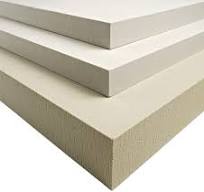
Extruded polyurethane foam is a lightweight cellular material made from polyurethane polymers using a continuous production process. It combines low weight with useful cushioning, insulation and energy-absorption properties. The term can refer to foam produced through an extrusion-based process, but it is worth noting that much of the polyurethane foam sold commercially is made by slabstock, moulding or spray processes rather than extrusion.
What Is Polyurethane Foam?
Polyurethane (PU) is a versatile polymer formed by reacting a polyol with an isocyanate. Depending on the formulation and manufacturing method, the result can be a flexible, semi-rigid or rigid foam. Additives such as catalysts, surfactants, blowing agents, colourants and flame retardants may be used to achieve specific performance requirements.
In an extrusion-based process, the ingredients are mixed and processed continuously. A blowing agent creates cells within the polymer as it expands and cures. The resulting foam may have a consistent profile or sheet form, depending on the equipment and formulation. Production details vary, and not all products described informally as “extruded PU foam” are made using the same process.
Key Properties
- Low weight: Its cellular structure makes foam much lighter than solid polymer materials.
- Cushioning: Flexible grades can absorb impact and provide comfort in seating and packaging.
- Thermal insulation: Rigid, closed-cell PU foam can offer effective insulation when designed and installed appropriately.
- Sound and vibration control: Certain grades can help reduce noise transmission or vibration.
- Design flexibility: Density, firmness, cell structure and other properties can be adjusted through formulation and processing.
- Durability: Performance depends on the foam type, exposure conditions and quality of manufacture.
Common Applications
Applications depend on whether the foam is flexible or rigid and on its density and cell structure. Potential uses include:
- Protective packaging and cushioning
- Seating, mattresses and furniture components
- Gaskets, seals and specialist profiles
- Thermal insulation in buildings, appliances or equipment
- Automotive and transport components
- Acoustic or vibration-control products
Not every PU foam grade is suitable for every application. For example, flexible cushioning foam and rigid insulation foam have different structures and performance requirements. Product selection should be based on the intended use and relevant test data.
Extruded PU Foam Compared with Other Foams
Extruded polystyrene (XPS) is a widely recognised insulation board made through an extrusion process. Polyurethane foam is a different polymer, with its own chemistry and manufacturing methods. The terms “extruded PU foam” and “XPS” are therefore not interchangeable.
Polyurethane foam can also be produced as continuous slabstock, moulded parts or spray-applied foam. These methods may create products with properties similar to those required in an application, but they are not necessarily extrusion processes. Buyers should check the product’s technical data sheet and confirm its material and manufacturing specification.
Choosing the Right Product
When selecting a polyurethane foam, consider its intended function, density, firmness, cell structure and dimensional requirements. For insulation, review thermal performance and moisture-related characteristics. For cushioning, assess compression behaviour, recovery and durability. Where fire performance, chemical resistance or outdoor exposure matters, request test results for the exact product and its intended conditions of use.
It is also important to consider installation and compatibility with adjoining materials. A foam that performs well on its own may not deliver the same results if it is incorrectly specified, poorly fitted or exposed to conditions outside its design limits.
Safety and Environmental Considerations
Polyurethane production involves chemicals that require appropriate handling and workplace controls. Manufacturing facilities should follow applicable safety requirements, and users should follow the supplier’s guidance for storage, cutting, installation and disposal. Foam products should not be burned, as fires can produce hazardous smoke and gases.
Environmental impact varies according to the raw materials, blowing agents, product lifespan and end-of-life options. Reducing material waste, choosing durable products and following local recycling or disposal guidance can help improve resource use. Recycling options for PU foam depend on the type of foam and the facilities available in the region.
Conclusion
Extruded polyurethane foam can provide a useful combination of low weight, cushioning, insulation and design flexibility. However, the name alone does not define the product’s properties or manufacturing method. Understanding the foam grade, production process and technical specifications is essential for choosing a material that meets the needs of a particular application.
Extruded Polyurethane Foam: 7 Frequently Asked Questions
- What is extruded polyurethane foam?
- How is extruded polyurethane foam manufactured?
- What are the main properties of extruded polyurethane foam?
- Where is extruded polyurethane foam commonly used?
- How does extruded polyurethane foam differ from extruded polystyrene (XPS)?
- Is extruded polyurethane foam suitable for thermal insulation?
- Is extruded polyurethane foam recyclable and safe to use?
What is extruded polyurethane foam?
Extruded polyurethane foam is a lightweight cellular material made from polyurethane and formed using a continuous extrusion process. A blowing agent creates tiny cells as the material expands and cures, giving the foam its cushioning, insulation or energy-absorption properties. Its characteristics vary according to the formulation and cell structure, so the product should be selected based on its intended use. It is distinct from extruded polystyrene (XPS), which is a different type of foam.
How is extruded polyurethane foam manufactured?
Extruded polyurethane foam is typically made by carefully blending polyol and isocyanate with catalysts, surfactants and other additives, including a suitable blowing agent. The reacting mixture is fed through an extrusion line, where heat, pressure and the blowing agent help create a cellular structure; as the material exits the die, it expands and continues to cure. The foam is then cooled, cut or shaped to the required dimensions and inspected for quality. Exact methods vary by product and manufacturer, so the term does not always describe a single standard process.
What are the main properties of extruded polyurethane foam?
The main properties of extruded polyurethane foam include low weight, good cushioning and impact absorption, and the ability to provide thermal insulation in suitable rigid, closed-cell grades. Its density, firmness, flexibility and cell structure can be tailored for different uses, while some grades also help reduce noise and vibration. Performance varies by formulation and manufacturing process, so it is best to check the product’s technical specifications for the intended application.
Where is extruded polyurethane foam commonly used?
Extruded polyurethane foam is commonly used in applications that require lightweight cushioning, insulation or protection. Depending on its density and structure, it may be found in packaging, furniture and seating, automotive components, gaskets and seals, and building or equipment insulation. The exact uses vary by product, so check the manufacturer’s specifications to ensure the foam is suitable for the intended application.
How does extruded polyurethane foam differ from extruded polystyrene (XPS)?
Extruded polyurethane (PU) foam and extruded polystyrene (XPS) are made from different polymers and should not be treated as interchangeable. XPS is typically produced as rigid, closed-cell insulation boards, while PU foam is available in flexible, semi-rigid and rigid grades, and many PU products are made using processes other than extrusion. Their insulation, moisture resistance, strength and cushioning performance vary with the product and formulation. Check the technical data sheet for the specific material and application rather than relying on the name alone.
Is extruded polyurethane foam suitable for thermal insulation?
Yes, rigid, closed-cell polyurethane foam can be suitable for thermal insulation because it offers low thermal conductivity and helps reduce heat transfer. However, performance depends on the foam’s formulation, density, thickness and installation quality. “Extruded polyurethane foam” can describe different products, so check the manufacturer’s technical data sheet for tested thermal conductivity, moisture resistance and fire performance, and confirm that the product meets applicable building requirements.
Is extruded polyurethane foam recyclable and safe to use?
Extruded polyurethane foam can be recyclable, but options depend on its formulation, cleanliness and local facilities; some PU foams can be reused or processed through mechanical or chemical recycling, while others may need specialist treatment. Once fully cured and used as intended, the foam is generally safe to handle, but cutting or machining can create dust, and burning it can release hazardous smoke and gases. Follow the manufacturer’s instructions, use suitable protective equipment during processing, and check local recycling and disposal guidance.