
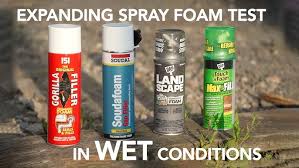
Expanding Polyurethane Sealant: Uses, Benefits and Best Practices
Expanding polyurethane (PU) sealant is a moisture-curing material that expands after application to fill gaps and cavities. It is commonly supplied in an aerosol can and is often called PU expanding foam. Once cured, it forms a lightweight, insulating material that can help reduce air leakage and limit the passage of dust, noise and moisture through suitable joints.
How It Works
When dispensed, the material expands and reacts with moisture in the air and on nearby surfaces. It then cures into a solid foam. The amount of expansion depends on the product, temperature, humidity and the size of the gap. Some products expand considerably, while low-expansion formulations are designed for more controlled filling.
Despite the word “sealant”, expanding PU foam is not interchangeable with every flexible joint sealant. It is most suitable for filling voids and irregular gaps. For exposed joints that move, a purpose-made flexible sealant may be more appropriate.
Common Applications
- Filling gaps around window and door frames
- Sealing openings around pipes and service penetrations, where the product is suitable for that use
- Filling cavities in walls, roofs and other building elements
- Reducing draughts and improving insulation around building openings
- Filling gaps in selected construction and renovation projects
For window and door installations, low-expansion foam is often preferred because excessive pressure can distort frames. Always check the manufacturer’s instructions and confirm that the product is suitable for the substrate and application.
Key Benefits
Fills irregular spaces: The foam expands into gaps that can be difficult to fill with conventional materials.
Helps reduce draughts: When correctly applied as part of a suitable building detail, it can help limit unwanted air movement.
Provides thermal and acoustic insulation: PU foam can contribute to insulation, although its performance depends on the product, thickness and installation quality.
Convenient to apply: Aerosol products make it possible to apply foam directly into many small or awkward openings.
Application Tips
- Prepare the area. Remove loose dust, dirt and debris. Protect nearby surfaces, as uncured foam can be difficult to remove.
- Check the conditions. Read the product label for the recommended temperature range and any guidance on dampening the surface. Moisture can affect curing, but excess water may be unsuitable.
- Use the right product. Choose a low-expansion formulation for sensitive frames and a product specifically rated for the intended application.
- Apply sparingly. Fill only part of the gap, allowing room for expansion. Overfilling can cause waste and may exert pressure on surrounding materials.
- Allow it to cure. Curing time varies with the product and conditions. Do not trim or disturb the foam until the label indicates it is ready.
- Finish and protect it. Once cured, excess foam can usually be trimmed. Exposed foam should generally be covered with a suitable finish because sunlight can degrade it over time.
Safety and Limitations
Uncured PU foam can irritate the skin and eyes, and its vapours should not be inhaled. Wear suitable gloves and eye protection, ensure good ventilation, and follow all instructions on the product label and safety data sheet. Keep the product away from heat, sparks and open flames during use and storage.
Do not assume that ordinary expanding foam provides fire resistance, waterproofing or structural strength. Use only products tested and approved for the specific requirement, and follow the complete installation system. Where fire-rated sealing is needed, the correct fire-stopping product and installation method are essential. PU foam should not be used as a substitute for mechanical fixings or a structural repair.
Before using foam around electrical services, hot surfaces, flues or specialist building components, check the product’s stated limitations and seek professional advice where needed. For large gaps, moving joints or critical building details, consult a qualified installer.
Choosing the Right Expanding PU Sealant
Compare products by their expansion rate, curing time, application method, temperature range and compatibility with the materials involved. Consider whether the foam will remain hidden or be exposed, and whether the job requires a low-expansion, fire-rated or other specialist formulation. Careful product selection and controlled application help achieve a neat, durable result.
Conclusion
Expanding polyurethane sealant is a useful option for filling many gaps in building and renovation work. Its ability to expand into irregular spaces can help improve air sealing and insulation around suitable openings. For best results, select a product designed for the task, apply it in moderation and follow the manufacturer’s safety and installation guidance.
Expanding Polyurethane Sealant: 7 FAQs on Uses, Expansion, Safe Application, Curing and Protection
- What is expanding polyurethane sealant, and how does it work?
- What are the common uses of expanding polyurethane sealant?
- How much does polyurethane sealant expand after application?
- How should expanding polyurethane sealant be applied safely?
- How long does expanding polyurethane sealant take to cure?
- Can expanding polyurethane sealant be used around windows, doors and pipes?
- Does expanding polyurethane sealant need to be protected from sunlight and moisture?
What is expanding polyurethane sealant, and how does it work?
Expanding polyurethane (PU) sealant is a moisture-curing foam used to fill gaps and cavities. It is usually dispensed from an aerosol can and expands after application, reacting with moisture in the air and on nearby surfaces before curing into a solid, lightweight foam. This expansion helps the material fill irregular spaces and can reduce draughts and heat loss when used in suitable applications. The amount of expansion and curing time vary by product, so follow the manufacturer’s instructions.
What are the common uses of expanding polyurethane sealant?
Expanding polyurethane sealant is commonly used to fill gaps and cavities around window and door frames, pipes, cables and other service openings. It can also be used in suitable wall, roof and construction voids to help reduce draughts and improve thermal and sound insulation. Choose a product suited to the application, as low-expansion foam is often recommended around frames to minimise pressure, while fire-rated or other specialist requirements need specifically approved products.
How much does polyurethane sealant expand after application?
The amount of expansion varies by product and application conditions, but expanding polyurethane foam can typically grow to around two or three times its dispensed volume as it cures; some products expand more. Temperature, humidity and gap size can also affect the result. Check the product label for its stated expansion rate, and apply it sparingly—especially around window and door frames, where excess expansion may cause distortion.
How should expanding polyurethane sealant be applied safely?
Apply expanding polyurethane sealant in a well-ventilated area, following the product label and safety data sheet. Wear suitable gloves and eye protection, protect nearby surfaces, and avoid breathing the vapour or getting uncured foam on skin or clothing. Keep the product away from heat, sparks and open flames, and apply only the amount recommended, as the foam expands after dispensing. Allow it to cure fully before trimming, keep children and pets away during application and curing, and use only products suitable for the intended surface and purpose.
How long does expanding polyurethane sealant take to cure?
Expanding polyurethane sealant usually becomes touch-dry within about 10–20 minutes, but full curing can take around 8–24 hours. The exact time depends on the product, the size and depth of the gap, temperature and humidity. Larger applications or cool, dry conditions may take longer, so check the manufacturer’s instructions and wait until the foam is fully cured before trimming or covering it.
Can expanding polyurethane sealant be used around windows, doors and pipes?
Yes, expanding polyurethane sealant can be used to fill gaps around windows, doors and pipes, provided the product is suitable for the materials and application. Around window and door frames, use a low-expansion foam and apply it sparingly, as excessive pressure may distort the frame. For pipe openings, check that the foam is compatible with the pipe material and suitable for the surrounding conditions; use a fire-rated product where the opening requires fire-stopping. Follow the manufacturer’s instructions, and protect exposed foam from sunlight with an appropriate finish.
Does expanding polyurethane sealant need to be protected from sunlight and moisture?
Yes. Once cured, expanding polyurethane sealant should be protected from direct sunlight, as UV exposure can cause it to discolour and deteriorate. It is not generally a waterproofing material, so protect it from prolonged exposure to rain or standing water and use a suitable covering or coating where needed. Follow the product instructions, as moisture requirements during curing vary by product.