
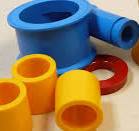
Urethane Elastomer: A Versatile Material for Demanding Applications
Urethane elastomers, commonly known as polyurethane elastomers, are materials that combine the flexibility of rubber with many of the strength and durability characteristics associated with plastics. They are used in products that need to withstand repeated movement, impact, abrasion or contact with oils and other substances. Their properties can be adjusted to suit a wide range of applications, making them valuable across industries in India and around the world.
What Is a Urethane Elastomer?
A urethane elastomer is a type of polyurethane designed to behave elastically. It can deform under load and return towards its original shape when the load is removed. Its performance depends on its chemical formulation, structure, hardness and manufacturing process.
Urethane elastomers are available in several forms. Cast polyurethane elastomers are made by mixing reactive ingredients and pouring them into a mould, where they cure. Thermoplastic polyurethane (TPU), by contrast, can be softened by heat and processed using methods such as injection moulding or extrusion. These forms have different processing requirements and are selected according to the product design and intended use.
Key Properties
One of the main advantages of urethane elastomers is the ability to balance properties that can be difficult to achieve together in other materials. Depending on the grade, they may offer:
- Abrasion resistance: Useful in parts exposed to rubbing, scraping or repeated contact.
- Load-bearing capacity: Certain grades can support substantial loads while retaining elastic behaviour.
- Impact and tear resistance: Suitable for components that experience shocks, cuts or repeated flexing.
- Elasticity and resilience: The material can absorb energy and recover its shape, subject to the formulation and operating conditions.
- Resistance to oils and chemicals: Performance varies by grade and by the specific substance, concentration, temperature and exposure time.
- Design flexibility: Hardness, colour, shape and other characteristics can be tailored to meet application requirements.
No single grade provides every property to the same degree. For example, improving one characteristic may affect another, so material selection should be based on the conditions the finished component will face.
Common Applications
Urethane elastomers are used in a broad range of industrial and consumer products. Typical applications include:
- Wheels, rollers and castor treads
- Conveyor components and industrial linings
- Seals, gaskets and flexible couplings
- Vibration-damping mounts and impact-absorbing parts
- Mining, construction and material-handling components
- Sports, footwear and recreation products
- Protective coverings and abrasion-resistant parts
In each case, the formulation and design need to reflect the operating environment. A roller used in a factory, for instance, may need a different combination of hardness, load capacity and chemical resistance from a flexible component used outdoors.
Choosing the Right Grade
Choosing a urethane elastomer involves more than specifying hardness. Important factors include the load and speed, the type of contact surface, temperature range, exposure to moisture or chemicals, and the expected service life. The component’s shape and manufacturing method also matter.
Where possible, provide a supplier with details of the application, including operating conditions and any failure history. Testing a representative sample under realistic conditions can help confirm whether the selected grade is suitable. Compatibility should be checked against the actual chemicals and temperatures involved rather than assumed from a general material description.
Processing and Quality Considerations
Cast polyurethane and TPU require different processing methods. Cast systems rely on controlled mixing, mould preparation and curing, while TPU is processed using thermoplastic equipment. In both cases, consistent material handling and process control are important for achieving reliable results.
Product quality can be affected by factors such as moisture, mixing accuracy, temperature, mould design and curing conditions. Manufacturers should follow the supplier’s technical guidance and maintain suitable quality checks for the finished component.
Safe Handling
Some ingredients used in the manufacture of polyurethane materials require careful handling. Risks depend on the specific chemicals and process, so manufacturers should consult product safety data sheets, provide appropriate training and use suitable engineering controls and personal protective equipment. Finished products should also be assessed for their intended conditions of use.
Conclusion
Urethane elastomers offer a useful combination of elasticity, durability and design flexibility. Their range of formulations makes them suitable for components that face demanding mechanical or environmental conditions. By considering the full operating environment, processing method and performance requirements, businesses can select a material that is better suited to the application and support dependable product performance.
5 Essential Tips for Mixing and Curing Urethane Elastomer Safely
- Measure resin and hardener accurately, as per the product label.
- Keep tools and materials dry; moisture can affect curing.
- Wear gloves and work in a well-ventilated area.
- Mix slowly and scrape the sides and bottom of the container.
- Allow the full recommended curing time before use.
Measure resin and hardener accurately, as per the product label.
Measure the resin and hardener accurately, following the proportions given on the product label. The correct ratio is essential for proper curing and helps achieve the urethane elastomer’s intended strength, flexibility and durability. Use suitable measuring equipment, mix thoroughly as directed, and avoid estimating quantities, as incorrect proportions may leave the material under-cured or affect its performance.
Keep tools and materials dry; moisture can affect curing.
Keep tools and materials dry when working with urethane elastomers, as moisture can interfere with the curing process and affect the finished product’s quality and performance. Store materials in sealed containers, ensure tools and moulds are clean and dry, and follow the supplier’s handling instructions.
Wear gloves and work in a well-ventilated area.
Wear gloves when handling urethane elastomer materials, and work in a well-ventilated area to reduce skin contact and exposure to vapours or dust. Follow the product’s safety data sheet for specific handling instructions, and use any additional protective equipment it recommends.
Mix slowly and scrape the sides and bottom of the container.
Mix the urethane elastomer components slowly and steadily to reduce air bubbles and avoid splashing. Pause as needed to scrape the sides and bottom of the container with a clean mixing tool, ensuring all material is incorporated evenly. Follow the manufacturer’s instructions for mixing speed and time, as thorough, consistent mixing helps achieve a uniform cure and reliable performance.
Allow the full recommended curing time before use.
Allow the urethane elastomer to cure for the full time recommended by the manufacturer before putting it into use. Handling or loading the component too early can affect its strength, elasticity and resistance to wear, and may lead to premature failure. Cure times can vary with the formulation, temperature and humidity, so always follow the product instructions and avoid relying on the surface feeling dry as an indication that curing is complete.