
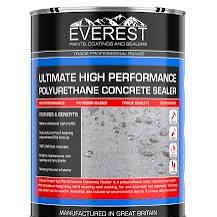
Urethane Driveway Sealer: Benefits, Uses and Application Tips
A driveway is exposed to sunlight, rain, temperature changes, vehicle fluids and regular traffic. A suitable sealer can help protect its surface and make it easier to maintain. Urethane driveway sealer, also known as polyurethane sealer, is a protective coating used mainly on concrete driveways. The right product can provide a durable finish, but it must be chosen and applied according to the driveway material and the manufacturer’s instructions.
What Is Urethane Driveway Sealer?
Urethane sealer is a liquid coating that cures to form a protective film. It is commonly used on concrete and may be clear or coloured, with finishes ranging from matt to gloss. Some products are designed as standalone coatings, while others are intended as a topcoat over a compatible primer or coating system.
Urethane products vary in formulation. For outdoor use, a UV-resistant aliphatic urethane is often preferred because it is less likely to yellow or discolour in sunlight than some aromatic products. Always check that the product is specifically rated for exterior use and vehicle traffic.
Potential Benefits
- Surface protection: A suitable coating can help reduce the effects of water, dirt and some common stains, such as oil or grease.
- Wear resistance: Urethane coatings can provide a tough surface for driveways that experience regular foot and vehicle traffic.
- Appearance: A clear or coloured finish can enhance the look of concrete and make the surface appear more uniform.
- Easier cleaning: A sealed surface may be easier to sweep or wash than untreated, porous concrete.
Performance depends on the specific product, the condition of the driveway, surface preparation and application. Sealer does not repair structural problems or prevent all staining.
Is Urethane Sealer Suitable for Every Driveway?
Urethane sealer is most often considered for concrete. It is not automatically suitable for asphalt, which generally requires a sealer formulated specifically for asphalt surfaces. Using the wrong coating can lead to poor adhesion, surface damage or premature failure. Check the product label or consult the manufacturer before applying any sealer.
For concrete, consider the age and condition of the slab, whether it has an existing coating, and whether moisture is moving through it. Cracks, spalling, oil contamination and loose material should be addressed before coating. A sealer can only perform as well as the surface beneath it.
Preparation and Application
- Check the product requirements: Confirm that the sealer is intended for exterior driveways and compatible with the concrete and any existing coatings.
- Clean the surface: Remove dirt, leaves, grease and other contaminants. Use a suitable cleaner where needed, then rinse thoroughly.
- Allow the concrete to dry: Moisture can interfere with adhesion or curing. Follow the manufacturer’s guidance on moisture levels and drying time.
- Repair defects: Fill suitable cracks and repair damaged areas with compatible materials. Allow repairs to cure as directed.
- Test a small area: A test patch helps confirm adhesion and gives an indication of the finished appearance.
- Apply in suitable conditions: Follow the specified temperature, humidity and weather requirements. Avoid applying when rain, strong wind or extreme temperatures may affect the coating.
- Respect curing times: Keep people and vehicles off the driveway for the period stated on the product label. Dry-to-touch does not always mean ready for vehicle traffic.
Use the recommended tools and application thickness. Applying too much product can cause bubbles, uneven curing or other defects. Some systems also require a primer or a particular surface profile, so do not skip these steps.
Safety Considerations
Read the product’s safety information before use. Wear the recommended protective equipment, keep the work area well ventilated and prevent the coating from contacting skin or eyes. Store products safely and keep children and pets away from the application area until the coating has cured as directed.
Maintenance and Recoating
Clean the driveway with methods compatible with the coating, and remove spills promptly. Inspect the surface periodically for peeling, wear or damage. Recoating intervals vary considerably by product, climate, traffic and preparation quality; follow the manufacturer’s recommendations rather than relying on a fixed schedule.
Choosing the Right Sealer
Before buying, check the product’s intended substrate, UV resistance, finish, slip characteristics, coverage, curing time and compatibility with existing coatings. For steep or frequently wet driveways, ask whether an anti-slip additive is recommended. If the driveway is badly cracked, damp, previously sealed or made from asphalt, seek product-specific advice before proceeding.
When correctly selected and applied, urethane sealer can be a useful way to protect and refresh a concrete driveway. Careful preparation and attention to the product instructions are essential for a durable, even finish.
Urethane Driveway Sealer FAQs: Uses, Lifespan and Comparison with Acrylic
- What is the longest lasting driveway sealer?
- Can you seal concrete with urethane?
- What is urethane sealer used for?
- How long does urethane sealer last?
- Is urethane or acrylic better for concrete sealer?
What is the longest lasting driveway sealer?
The longest-lasting driveway sealer depends on the surface, climate, traffic and quality of preparation. For concrete driveways, a high-quality, UV-resistant polyurethane (urethane) coating can offer durable protection, but no sealer lasts indefinitely; follow the manufacturer’s guidance for application and recoating. For asphalt, choose a sealer made specifically for asphalt, as polyurethane products intended for concrete may not be suitable. Proper cleaning, repairs and curing are just as important as the product itself.
Can you seal concrete with urethane?
Yes, concrete can be sealed with urethane, provided the product is specifically designed for concrete and the intended use. For an outdoor driveway, choose an exterior-grade, UV-resistant urethane and check that it can withstand vehicle traffic. The concrete should be clean, dry, properly cured and free from oil, loose material or incompatible coatings; follow the product instructions for preparation, application and curing times.
What is urethane sealer used for?
Urethane sealer is used to form a protective coating on suitable surfaces, particularly concrete driveways. It can help guard against water, dirt, everyday wear and some stains, while enhancing the surface’s appearance and making it easier to clean. Choose a product specifically rated for exterior use and vehicle traffic, and follow the manufacturer’s instructions for surface preparation and application.
How long does urethane sealer last?
Urethane driveway sealer typically lasts around 3 to 5 years, though its lifespan depends on the product, surface preparation, weather exposure, vehicle traffic and maintenance. Driveways exposed to strong sunlight, heavy use or frequent moisture may need recoating sooner. Check the manufacturer’s guidance and inspect the surface regularly for peeling, wear or loss of protection.
Is urethane or acrylic better for concrete sealer?
Urethane is generally more durable and resistant to abrasion, vehicle fluids and heavy traffic, making it a strong choice for a busy concrete driveway. Acrylic sealer is usually more affordable and easier to apply, and it can enhance the concrete’s appearance, but it may wear sooner and need more frequent reapplication. The best option depends on the driveway’s condition, the desired finish and the product’s suitability for outdoor use; also check for moisture compatibility and slip resistance, as some glossy sealers can become slippery when wet.