
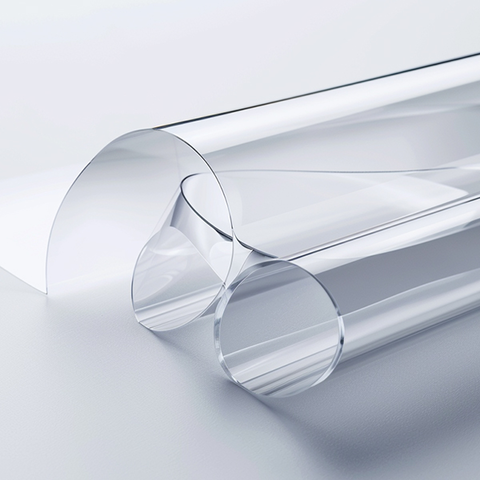
TPU Polyurethane: A Versatile Material for Modern Applications
Thermoplastic polyurethane, commonly known as TPU, is a versatile material used in products that need a balance of flexibility, toughness and durability. It belongs to the wider polyurethane family, but unlike conventional thermoset polyurethane, TPU can be softened by heat and processed again. This makes it suitable for a broad range of manufacturing methods and applications.
What Is TPU?
TPU is a thermoplastic elastomer: it combines rubber-like flexibility with the processing advantages of a thermoplastic. Its structure contains soft segments, which contribute to elasticity, and hard segments, which provide strength and resistance to wear. By adjusting its formulation, manufacturers can produce TPU grades with different levels of hardness, flexibility and performance.
TPU is available in different grades, including polyester-based and polyether-based types. The right grade depends on the intended use and the conditions the finished product will face.
Key Properties of TPU
- Flexibility and elasticity: TPU can bend and stretch, then recover its shape in many applications.
- Abrasion resistance: It can withstand rubbing and repeated contact, making it useful for components exposed to wear.
- Toughness: TPU offers good resistance to impact and tearing in suitable grades.
- Oil and chemical resistance: Performance varies by formulation, but some grades tolerate oils, greases and other substances well.
- Processability: It can be shaped using methods such as injection moulding, extrusion and blow moulding. Certain grades are also used in additive manufacturing.
- Appearance options: TPU can be produced in a range of colours and finishes, and some grades are transparent.
These properties are not identical across all TPU products. Selecting a grade requires considering factors such as temperature, exposure to chemicals, mechanical stress and the required product life.
Common Applications
TPU is used across many sectors because it can be tailored for different performance needs. Common applications include:
- Footwear soles, uppers and protective components
- Flexible hoses, tubes, seals and gaskets
- Wheels, rollers and other abrasion-resistant parts
- Protective films, cable jackets and wire insulation
- Automotive interior and exterior components
- Sports equipment, bags and wearable products
- Medical and healthcare components made from appropriate grades
- Flexible filaments and parts produced through 3D printing
How TPU Differs from Other Polyurethanes
Many familiar polyurethane foams and coatings are thermoset materials. Once cured, their chemical structure is set, so they cannot simply be melted and reshaped. TPU, by contrast, is thermoplastic and can be softened by heat for processing. This difference affects how the materials are manufactured, used and potentially recovered at the end of their service life.
TPU is also distinct from PVC, rubber and other flexible plastics. The best choice depends on the product’s required strength, flexibility, processing method, cost and environmental conditions.
TPU and Sustainability
Some TPU products can be mechanically recycled, depending on their grade, condition and the availability of suitable collection and recycling systems. Reprocessing may affect material performance, so recycled TPU is not appropriate for every application. Manufacturers may also offer grades containing recycled or bio-based content; the composition and performance should be checked for each product.
As with other plastics, responsible design, efficient material use and appropriate end-of-life handling are important. TPU should not be assumed to be biodegradable or recyclable in every local waste system. Businesses and consumers should follow product guidance and local disposal rules.
Choosing the Right TPU Grade
When specifying TPU, consider the product’s operating temperature, required flexibility and hardness, exposure to sunlight or chemicals, abrasion and impact demands, processing equipment and relevant regulatory requirements. Working with a material supplier or product engineer can help identify a grade that meets both performance and manufacturing needs.
Conclusion
TPU polyurethane is valued for combining elastomer-like flexibility with the processing versatility of thermoplastics. Its range of grades makes it useful in products from footwear and automotive components to films, cables and 3D-printed parts. Understanding the differences between grades—and assessing performance, processing and end-of-life requirements—helps ensure that TPU is used effectively.
9 Essential Tips for Choosing, Processing and Recycling TPU (Thermoplastic Polyurethane)
- TPU stands for thermoplastic polyurethane.
- Choose TPU for flexibility and good wear resistance.
- Check the Shore hardness to match your application.
- Use TPU for parts needing impact and abrasion resistance.
- Keep TPU dry before processing to reduce defects.
- Follow the supplier’s temperature range during moulding.
- Use compatible adhesives for reliable TPU bonding.
- Test chemical resistance before exposing TPU to oils or solvents.
- Recycle TPU only where suitable collection facilities are available.
TPU stands for thermoplastic polyurethane.
TPU stands for thermoplastic polyurethane, a versatile material that combines flexibility and elasticity with strength and durability. Unlike many traditional polyurethane materials, TPU can be softened by heat and shaped using processes such as injection moulding and extrusion. Its useful properties make it a popular choice for products such as footwear, phone cases, hoses, films and automotive components.
Choose TPU for flexibility and good wear resistance.
Choose TPU polyurethane when your product needs flexibility along with good wear resistance. Its elastic nature allows it to bend and stretch while helping it withstand repeated rubbing and everyday use, making it suitable for applications such as footwear, protective covers, wheels and flexible components. Select a grade that matches the product’s required hardness, operating conditions and manufacturing process.
Check the Shore hardness to match your application.
Check the Shore hardness when choosing TPU polyurethane, as it indicates how soft or firm the material is. A lower Shore hardness generally offers greater flexibility and a softer feel, while a higher value provides a firmer, more supportive material. Match the hardness to your application’s needs, such as comfort, grip, impact resistance or shape retention, and confirm the appropriate grade with your supplier.
Use TPU for parts needing impact and abrasion resistance.
Choose TPU polyurethane for parts that need to withstand repeated impacts and surface wear. Its toughness and abrasion resistance make it suitable for components such as wheels, protective covers, footwear parts and flexible machine components. Select a grade suited to the expected loads, operating conditions and manufacturing process.
Keep TPU dry before processing to reduce defects.
Keep TPU dry before processing to help reduce defects in the finished product. Moisture absorbed during storage can turn to vapour at processing temperatures, causing bubbles, surface marks or other inconsistencies. Store TPU in sealed packaging and, where recommended by the material supplier, dry it using the specified temperature and time before use. Avoid overheating, as this can damage the material.
Follow the supplier’s temperature range during moulding.
Follow the TPU supplier’s recommended temperature range during moulding. Processing temperatures that are too low can lead to poor material flow, incomplete filling or weak weld lines, while excessive heat may cause degradation, discolouration or changes in performance. Check the technical data sheet, set and monitor the machine’s temperature zones carefully, and adjust settings only in line with the supplier’s guidance and your moulding conditions.
Use compatible adhesives for reliable TPU bonding.
For reliable bonding of TPU polyurethane, choose an adhesive specifically recommended for the TPU grade and the materials being joined. TPU formulations and surface finishes can vary, so check the adhesive manufacturer’s guidance and test the bond on a sample first. Clean and dry the surfaces, and prepare them as directed; some applications may require light abrasion or a suitable primer. Follow the specified application and curing conditions to help achieve a strong, durable bond.
Test chemical resistance before exposing TPU to oils or solvents.
Before exposing TPU to oils or solvents, test its chemical resistance using the specific TPU grade and the intended substance. Contact can cause swelling, softening, discolouration or loss of strength, and performance varies by formulation, concentration, temperature and exposure time. Check the manufacturer’s compatibility guidance, then assess a small sample under realistic conditions before using the material in service.
Recycle TPU only where suitable collection facilities are available.
Recycle TPU only where suitable collection facilities are available, as not all local recycling systems can accept or process it. Check your local council’s waste guidelines or ask the product manufacturer about approved take-back options. If TPU is placed in an unsuitable recycling stream, it may contaminate other recyclable materials or be sent for disposal.