
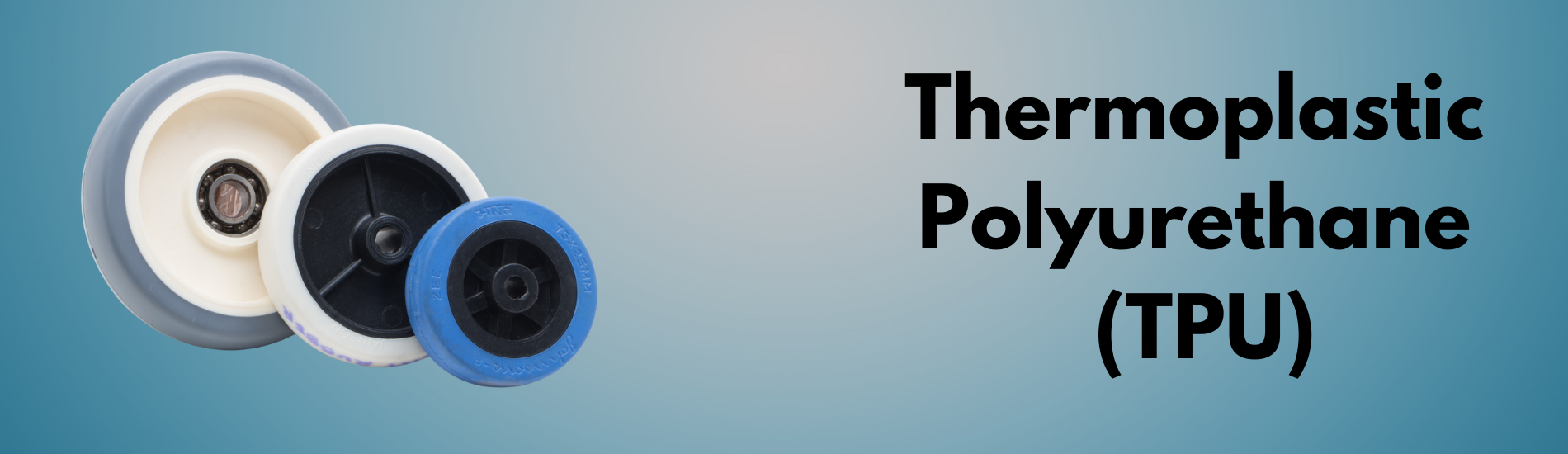
Thermoplastic TPU: Properties, Applications and Benefits
Thermoplastic polyurethane (TPU) is a versatile material that combines the flexibility of rubber with the processing advantages of thermoplastics. It is widely used in products that need to be tough, elastic and resistant to wear. From footwear and mobile-phone cases to automotive components and industrial hoses, TPU supports a broad range of applications.
What Is Thermoplastic Polyurethane?
TPU belongs to the family of thermoplastic elastomers. It can stretch like an elastomer, yet soften when heated so it can be processed using methods such as injection moulding and extrusion. Once cooled, it becomes solid again. This ability to be processed with heat distinguishes TPU from many conventional rubber materials, which usually require a permanent curing process.
TPU is made from soft and hard segments. The soft segments contribute flexibility and elasticity, while the hard segments provide strength and help the material retain its shape. By adjusting the formulation and the balance between these segments, manufacturers can produce TPU grades with different levels of hardness, flexibility and performance.
Key Properties of TPU
- Elasticity: TPU can bend and stretch, then recover its shape, depending on the grade and application.
- Abrasion resistance: It is often selected for parts exposed to repeated rubbing or surface wear.
- Toughness: Many TPU grades offer good resistance to impact and tearing.
- Flexibility: TPU can remain flexible across a range of temperatures, although performance varies by formulation.
- Oil and grease resistance: Certain grades perform well when exposed to oils, greases and other substances.
- Processability: It can be moulded or extruded using suitable thermoplastic processing equipment.
- Design versatility: TPU is available in a wide range of hardness levels, colours and finishes.
Not every TPU grade offers the same properties. Resistance to heat, UV exposure, chemicals and moisture depends on the material’s chemistry, additives and intended use.
Common Types of TPU
TPU is commonly produced using either polyester-based or polyether-based chemistry. The choice depends on the conditions the finished product will face.
- Polyester-based TPU is often chosen for its mechanical strength and resistance to oils, fuels and abrasion. Its suitability should be checked where prolonged exposure to moisture is expected.
- Polyether-based TPU is often considered for applications requiring flexibility and resistance to hydrolysis, such as products exposed to water or humid conditions.
These are general distinctions, not a substitute for testing. The right grade depends on the product design, operating environment and required service life.
How TPU Is Processed
Because TPU is thermoplastic, it can be shaped using several manufacturing processes. Common methods include injection moulding for shaped components, extrusion for films, sheets, tubes and profiles, and blow moulding for selected hollow products. TPU can also be used in additive manufacturing, including 3D printing, when the grade and equipment are compatible.
Processing conditions matter. Moisture in the material, incorrect temperature settings or unsuitable equipment can affect the appearance and performance of the finished part. Manufacturers typically follow the grade supplier’s guidance for drying, processing temperatures and storage.
Applications of Thermoplastic TPU
TPU is used across consumer, industrial and transport sectors. Typical applications include:
- Footwear: Outsoles, midsoles, heel components and protective elements.
- Consumer products: Phone cases, wearable-device components, sporting goods and flexible product housings.
- Automotive: Interior trim, protective covers, seals, cable jackets and selected under-the-bonnet components, where the grade meets the required conditions.
- Industrial products: Hoses, belts, rollers, seals, wheels and abrasion-resistant parts.
- Electrical and electronics: Cable insulation and protective components requiring flexibility and durability.
- Medical and healthcare products: Tubing and other components, where a suitable grade has been evaluated for the intended use and applicable requirements.
Benefits and Considerations
TPU can help product designers combine flexibility with durability in a single material. Its thermoplastic processing characteristics may also allow production scrap to be reprocessed in certain manufacturing settings, subject to material condition, process controls and product requirements.
However, TPU is not automatically the best choice for every application. It may require careful control of moisture and processing conditions, and some grades can be affected by prolonged exposure to heat, UV light or particular chemicals. Cost, recycling options and performance should be assessed for the specific product rather than assumed from the material name alone.
Choosing the Right TPU Grade
When selecting a TPU grade, consider the product’s hardness, flexibility, load and impact requirements, as well as its exposure to temperature, moisture, sunlight, oils and chemicals. The manufacturing method, colour, surface finish and regulatory requirements may also influence the choice.
Testing samples under realistic operating conditions is an important step. Working with a qualified material supplier and processor can help ensure that the selected grade, part design and production settings are suited to the intended application.
Conclusion
Thermoplastic TPU is a highly adaptable material that brings together elasticity, toughness and thermoplastic processability. Its range of grades makes it useful in applications from footwear and consumer products to industrial and automotive components. Understanding the differences between formulations—and matching the grade to real-world conditions—is essential to achieving reliable performance.
9 Essential Tips for Printing, Storing and Handling Thermoplastic TPU
- Choose TPU hardness (Shore A) to match the part’s flexibility needs.
- Dry TPU filament before 3D printing to reduce bubbles and poor surface finish.
- Use a heated bed and suitable adhesion settings when printing TPU.
- Print slowly to help flexible TPU feed smoothly.
- Store TPU in a sealed bag with a desiccant.
- Check chemical and temperature resistance for the intended application.
- Use proper ventilation when processing TPU at high temperatures.
- Clean TPU parts with mild soap and water unless the supplier advises otherwise.
- Follow the manufacturer’s safety and processing instructions.
Choose TPU hardness (Shore A) to match the part’s flexibility needs.
Choose the TPU hardness to suit how flexible or firm the part needs to be. Shore A is commonly used to describe the softness of flexible TPU: lower values generally indicate a softer, more pliable material, while higher values indicate a firmer material with greater resistance to deformation. Consider how the part will be used, the amount of bending or compression it must withstand, and the support it needs. Test a suitable grade in the finished design, as part thickness and shape can also affect flexibility.
Dry TPU filament before 3D printing to reduce bubbles and poor surface finish.
Before 3D printing with thermoplastic TPU filament, dry it according to the manufacturer’s recommended temperature and duration. TPU can absorb moisture from the air, and damp filament may produce bubbles, uneven extrusion and a rough surface finish. Store dried filament in a sealed container with a desiccant, and avoid overheating it during drying.
Use a heated bed and suitable adhesion settings when printing TPU.
When 3D printing thermoplastic polyurethane (TPU), use a heated bed and suitable adhesion settings to help the first layer stay firmly in place. Set the bed temperature according to the filament manufacturer’s recommendations, and choose an appropriate surface or adhesion aid for your printer. Good first-layer adhesion can reduce lifting and improve print consistency, while excessive heat or adhesive may make the finished part difficult to remove.
Print slowly to help flexible TPU feed smoothly.
Print slowly to help flexible TPU feed smoothly through the printer. A lower print speed reduces pressure on the filament and helps prevent buckling, stretching or inconsistent extrusion, resulting in a more reliable print.
Store TPU in a sealed bag with a desiccant.
Store thermoplastic TPU in a sealed bag with a desiccant to help protect it from moisture during storage. TPU can absorb moisture from the air, which may cause processing defects such as bubbles or an uneven surface when the material is heated. Keep the bag closed when the TPU is not in use, and follow the material supplier’s instructions for drying before processing.
Check chemical and temperature resistance for the intended application.
Before choosing thermoplastic TPU, check that the specific grade can withstand the chemicals and temperature range it will encounter in service. Exposure to oils, cleaning agents, moisture or prolonged heat can affect TPU grades differently, potentially changing their flexibility, strength or service life. Review the supplier’s technical data and, where possible, test the material under realistic operating conditions to ensure it is suitable for the intended application.
Use proper ventilation when processing TPU at high temperatures.
Use proper ventilation when processing thermoplastic TPU at high temperatures. Heat can produce fumes or vapours, so ensure the work area is well ventilated and follow the material supplier’s processing and safety instructions. Where required, use suitable local exhaust ventilation and protective equipment to help maintain a safe working environment.
Clean TPU parts with mild soap and water unless the supplier advises otherwise.
Clean thermoplastic TPU parts with mild soap and water to remove everyday dirt and residue. Use a soft cloth or sponge, then rinse and dry the part thoroughly. Avoid harsh cleaners or solvents unless the supplier confirms they are suitable, as cleaning products may affect the TPU’s appearance or performance.
Follow the manufacturer’s safety and processing instructions.
Always follow the manufacturer’s safety and processing instructions when working with thermoplastic TPU. Use the recommended drying and processing conditions, as incorrect temperatures or excess moisture can affect product quality. Follow guidance on ventilation, protective equipment, safe handling and storage, and consult the product’s technical and safety documentation before processing.