
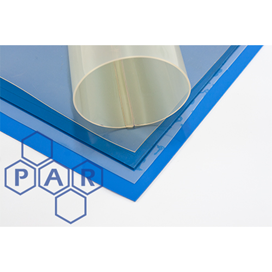
Thermoplastic Polyurethane Sheet: Properties, Uses and Selection
Thermoplastic polyurethane (TPU) sheet is a versatile plastic material valued for its combination of flexibility, toughness and resistance to wear. It is used in products that need to bend or stretch while standing up to repeated use. Available in a range of thicknesses, colours and grades, TPU sheet can be selected for applications across industries such as automotive, footwear, medical products, construction and general manufacturing.
What is TPU?
TPU is a thermoplastic elastomer. It behaves like rubber in many applications but can be processed using thermoplastic methods, such as extrusion and moulding. Unlike some materials that require chemical curing, TPU can generally be heated, shaped and cooled during manufacture. Its exact characteristics depend on the formulation and the raw materials used.
Key properties of TPU sheet
- Flexibility and elasticity: TPU sheet can bend and, depending on its grade, stretch and recover its shape.
- Abrasion resistance: It is often chosen for surfaces exposed to rubbing, scuffing or repeated movement.
- Toughness: Many grades offer good resistance to tearing, impact and repeated flexing.
- Resistance to oils and chemicals: Performance varies by formulation, so compatibility should be checked for the specific substance and conditions involved.
- Transparency and colour options: TPU sheet can be supplied in clear, translucent or coloured forms.
- Processability: It can be cut, welded, laminated or formed using suitable equipment and processing conditions.
Not every TPU sheet has the same properties. Hardness, flexibility, weathering performance, temperature range and chemical resistance can differ between grades. Technical data sheets should be consulted before selecting a material for a demanding application.
Common applications
TPU sheet is used wherever a flexible, durable surface or barrier is required. Examples include:
- Protective covers, guards and flexible enclosures
- Footwear components and sports equipment
- Automotive interior parts and protective layers
- Industrial liners, membranes and abrasion-resistant surfaces
- Inflatable products and flexible containers
- Medical and healthcare products, where the grade is specifically designed and approved for the intended use
- Laminated textiles and coated fabrics
For applications involving food contact, medical use, drinking water or other regulated environments, confirm that the particular grade meets the relevant requirements. The name “TPU” alone does not indicate regulatory approval.
Manufacturing and fabrication
TPU sheet is commonly produced by extrusion, in which softened material is passed through a die to create a continuous sheet. The sheet may then be cooled and supplied in rolls or cut sizes. Depending on the grade and design, it can be fabricated by methods such as die-cutting, heat welding, bonding or thermoforming.
Processing conditions matter. Excessive heat, unsuitable adhesives or incorrect welding settings may affect the sheet’s appearance or performance. Manufacturers should follow the material supplier’s processing guidance and test the proposed method before full-scale production.
How to choose the right TPU sheet
Before purchasing, consider the conditions the sheet will face and how it will be used. Important factors include:
- Hardness and flexibility: Choose a grade that balances support, bending and stretch requirements.
- Thickness and dimensions: Match the sheet to the required strength, weight and fabrication method.
- Exposure conditions: Check temperature, sunlight, moisture, oils, cleaning agents and other chemicals.
- Mechanical demands: Consider abrasion, impact, tear resistance and repeated flexing.
- Appearance: Specify colour, transparency, surface finish and any texture requirements.
- Compliance: Verify relevant certifications and test results for regulated applications.
- Fabrication needs: Confirm that the chosen grade can be cut, welded, bonded or formed as required.
Requesting a technical data sheet and testing samples in the intended conditions can help prevent performance issues. Where the application is critical, testing should reflect the actual environment, including temperature, load, cleaning practices and expected service life.
TPU sheet compared with other flexible materials
TPU is often compared with materials such as PVC, rubber and other thermoplastic elastomers. The best choice depends on the application. TPU may be preferred when a combination of flexibility, abrasion resistance and toughness is needed. Other materials may be more suitable where cost, temperature performance, chemical exposure or specific regulatory requirements are the main considerations. A direct comparison should use data for the precise grades being evaluated rather than broad material descriptions.
Conclusion
Thermoplastic polyurethane sheet is a useful option for products that require flexibility alongside durability. Its range of grades makes it suitable for many applications, from protective components to flexible membranes and laminated materials. Careful selection—based on the operating environment, fabrication method and applicable standards—is essential to achieve reliable performance.
6 Key Benefits of Thermoplastic Polyurethane Sheets
- Flexible and elastic
- Resists abrasion and wear
- Tough and tear-resistant
- Available in clear and coloured grades
- Can be cut, welded and formed
- Suitable for many industries
6 Disadvantages of Thermoplastic Polyurethane (TPU) Sheets
- Can cost more than some common plastics.
- May soften or deform at high temperatures.
- UV exposure can cause ageing in some grades.
- Chemical resistance varies by formulation.
- Can be difficult to bond without proper preparation.
- Moisture may affect processing and performance in certain grades.
Flexible and elastic
Thermoplastic polyurethane (TPU) sheet is flexible and elastic, allowing it to bend, stretch and adapt to different shapes without easily cracking. Depending on the grade, it can also return close to its original shape after the force is removed. This makes TPU sheet suitable for products that experience repeated movement or need a comfortable, close fit, such as protective covers, footwear components and flexible enclosures.
Resists abrasion and wear
Thermoplastic polyurethane (TPU) sheet offers strong resistance to abrasion and everyday wear, making it suitable for surfaces exposed to frequent rubbing, scuffing or movement. Its durability can help protect products from premature damage and extend their service life in applications such as protective covers, footwear, industrial liners and automotive components. Performance varies by grade and operating conditions, so the right TPU sheet should be selected for the expected level of use.
Tough and tear-resistant
Thermoplastic polyurethane (TPU) sheet is tough and tear-resistant, making it suitable for applications exposed to regular handling, friction and flexing. Its ability to withstand impact and resist tearing can help extend the service life of products such as protective covers, liners and flexible components. Actual performance depends on the TPU grade, sheet thickness and conditions of use, so it is important to select a material suited to the application.
Available in clear and coloured grades
Thermoplastic polyurethane (TPU) sheet is available in both clear and coloured grades, making it suitable for a wide range of design and functional needs. Clear grades allow visibility of the contents or components beneath the sheet, while coloured options can support product styling, identification or colour coding. This variety gives manufacturers flexibility to choose a finish that complements the product without compromising the benefits of TPU.
Can be cut, welded and formed
Thermoplastic polyurethane (TPU) sheet is easy to adapt to different product designs because it can be cut, welded and formed using suitable equipment. It can be trimmed into precise shapes, heat-welded to create strong seams, or shaped to suit curved and custom components. This versatility makes TPU sheet a practical choice for manufacturing applications that require tailored dimensions, secure joins or complex forms.
Suitable for many industries
Thermoplastic polyurethane (TPU) sheet is suitable for many industries because it combines flexibility, toughness and resistance to wear in a versatile material. Depending on the grade, it can be used in applications ranging from footwear and automotive components to protective covers, industrial liners, construction membranes and medical products. This range of uses makes TPU sheet a practical choice for businesses with different performance and fabrication needs. For specialised or regulated applications, the selected grade should be checked for the required technical properties and approvals.
Can cost more than some common plastics.
Thermoplastic polyurethane (TPU) sheet can cost more than common plastics such as PVC or polyethylene, which may increase the overall cost of a product, particularly when large quantities are required. The price depends on the TPU grade, thickness, finish and supplier, so it is worth comparing options against the performance needed. Where its flexibility, durability or wear resistance is not essential, a lower-cost material may be a more economical choice.
May soften or deform at high temperatures.
One limitation of thermoplastic polyurethane (TPU) sheet is that it may soften or deform when exposed to high temperatures. Heat can affect its shape, stiffness and performance, particularly under continuous load or prolonged exposure. The temperature at which this occurs varies by grade, so check the manufacturer’s technical data and choose a material suited to the intended operating conditions.
UV exposure can cause ageing in some grades.
Some grades of thermoplastic polyurethane (TPU) sheet can age when exposed to ultraviolet (UV) radiation from sunlight or other sources. Prolonged exposure may cause discolouration, surface changes or a gradual loss of flexibility and strength, depending on the formulation and conditions. For outdoor applications, check the grade’s UV resistance and consider a UV-stabilised material, a protective coating or shielding from direct sunlight.
Chemical resistance varies by formulation.
The chemical resistance of thermoplastic polyurethane (TPU) sheet varies by formulation, so performance cannot be assumed to be the same across all grades. Contact with oils, solvents, cleaning agents or other chemicals may cause swelling, softening, discolouration or loss of strength, depending on the material and exposure conditions. Before selecting a TPU sheet, check the manufacturer’s compatibility data and test the specific grade against the chemicals, temperatures and contact times expected in use.
Can be difficult to bond without proper preparation.
Thermoplastic polyurethane (TPU) sheet can be difficult to bond because its smooth, chemically resistant surface may prevent adhesives from forming a strong, reliable connection. The bonding process often requires careful surface preparation, such as cleaning, abrasion or the use of a suitable primer, followed by an adhesive compatible with the specific TPU grade. Incorrect preparation or unsuitable bonding materials can lead to weak adhesion or peeling over time, so testing the chosen method before production is recommended.
Moisture may affect processing and performance in certain grades.
Moisture can be a concern with certain grades of thermoplastic polyurethane (TPU) sheet, as absorbed water may affect processing and the finished material’s performance. During heating, moisture can cause defects such as bubbles or an uneven surface, while processing it without proper drying may reduce the quality of the sheet. The degree of sensitivity varies by grade, so it is important to follow the supplier’s storage and drying recommendations and check the material’s condition before processing.