
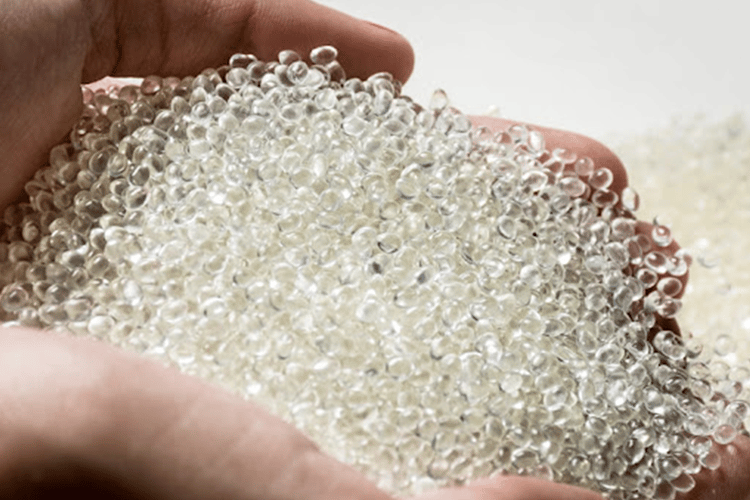
Thermoplastic Polyurethane Price in India: What Influences the Cost?
Thermoplastic polyurethane (TPU) is a versatile material used in products ranging from footwear and phone cases to automotive components, cables and medical devices. Its price in India can vary considerably depending on the grade, formulation, order size and supplier. There is no single price that applies to every type of TPU, so buyers should compare quotations for materials with matching specifications.
What is thermoplastic polyurethane?
TPU is a flexible, durable thermoplastic elastomer. It combines properties such as abrasion resistance, elasticity and impact strength, and can be processed using methods including injection moulding, extrusion and blow moulding. Different formulations are designed for different performance requirements, which is one reason prices can differ.
Key factors that affect TPU prices
- Grade and performance: General-purpose grades may cost less than TPU designed for high abrasion resistance, transparency, hydrolysis resistance, low-temperature flexibility or specialised applications.
- Hardness and formulation: Hardness, colour, additives and other formulation requirements can affect the material’s cost.
- Raw material costs: Changes in the cost of chemical feedstocks, energy and manufacturing can influence supplier prices.
- Domestic or imported supply: Import duties, exchange rates, freight and availability may affect the landed cost of imported material.
- Order quantity: Bulk purchases may attract different pricing from small orders. Minimum order quantities can also apply.
- Packaging and delivery: Packaging, transport distance, handling and delivery terms can change the final cost.
- Taxes and commercial terms: Check whether a quotation includes GST, freight and other charges, and note its validity period and payment terms.
Why prices vary between suppliers
Two products described simply as “TPU” may not be directly comparable. They could differ in hardness, colour, processing behaviour, certification, consistency or intended use. Suppliers may also quote on different bases, such as ex-works, delivered to the buyer’s location or inclusive of freight. Comparing only the headline price can therefore give an incomplete picture.
How to request an accurate quotation
To obtain a useful quotation, share the details that define the material and purchase. These may include:
- Intended application and processing method
- Required hardness, colour and grade
- Technical specifications or a reference datasheet
- Required quantity and expected order frequency
- Delivery location and preferred packaging
- Any relevant regulatory, testing or certification requirements
Ask suppliers to confirm the price per kilogram, minimum order quantity, GST treatment, freight, delivery time and quotation validity. Requesting a sample or technical datasheet can help confirm that a lower-priced grade will meet the application’s requirements.
Material price versus finished-product cost
The cost of TPU resin is only one part of the cost of a finished product. Processing losses, machine time, tooling, labour, quality checks, additives and packaging can all contribute to the final manufacturing cost. A material with a higher purchase price may still offer better value if it improves product life, reduces waste or supports more efficient processing.
Conclusion
Thermoplastic polyurethane prices in India depend on the material specification, supply conditions and quantity purchased. For a meaningful comparison, request current quotations from multiple suppliers using the same technical requirements and delivery terms. Confirm all additional charges before placing an order, as prices and availability can change over time.
9 Tips to Compare Thermoplastic Polyurethane Prices in India
- Compare prices from multiple TPU suppliers in India.
- Check whether quotes are per kg and include GST.
- Match the TPU grade to your application and hardness needs.
- Ask how additives or colour affect the price.
- Compare bulk discounts with your storage and usage needs.
- Check freight costs and delivery timelines before ordering.
- For imported TPU, consider currency and customs costs.
- Request samples and technical data before choosing a cheaper grade.
- Confirm quote validity, payment terms, and price-change conditions.
Compare prices from multiple TPU suppliers in India.
Compare prices from multiple TPU suppliers in India to understand the market and find an option that suits your budget and requirements. Ask each supplier to quote for the same TPU grade, hardness, quantity and delivery location, and check whether GST, freight and other charges are included. Comparing these details—not just the price per kilogram—can help you make a fair assessment of overall value.
Check whether quotes are per kg and include GST.
When comparing thermoplastic polyurethane (TPU) prices, check that each supplier’s quotation is based on the same unit, usually price per kilogram. Also confirm whether GST is included or charged separately, and whether freight or other fees are part of the quoted amount. This helps you compare offers accurately and understand the total cost before placing an order.
Match the TPU grade to your application and hardness needs.
Match the TPU grade to your application and required hardness to get the right balance of price and performance. A grade designed for flexibility may not suit a component that needs greater rigidity or abrasion resistance, while paying for specialised properties you do not need can increase costs unnecessarily. Share your application details and hardness range with suppliers, and compare quotations for grades with equivalent specifications.
Ask how additives or colour affect the price.
Ask suppliers how additives and colour requirements affect the thermoplastic polyurethane price. Colourants, UV stabilisers, flame retardants and other performance additives may increase the material cost, while matching a specific shade or producing a custom formulation can also affect minimum order quantities and lead times. When comparing quotes, specify the required colour and additives, and check whether the price includes them.
Compare bulk discounts with your storage and usage needs.
When comparing bulk discounts on thermoplastic polyurethane (TPU), balance the lower per-kilogram price against your storage capacity and expected usage. Buying more than you can store safely or use before the material’s recommended shelf life may lead to damaged stock, quality issues or tied-up working capital. Check the supplier’s packaging and storage guidance, estimate your regular consumption, and compare the savings with warehousing and handling costs before placing a larger order.
Check freight costs and delivery timelines before ordering.
Before placing an order for thermoplastic polyurethane (TPU), check freight costs and delivery timelines alongside the quoted price. Transport charges can significantly affect the final cost, particularly for small orders or deliveries over long distances, while delays may disrupt production schedules. Ask the supplier to confirm the delivery location, expected dispatch and arrival dates, and any extra handling or packaging charges so you can compare quotes accurately and plan your purchase with confidence.
For imported TPU, consider currency and customs costs.
When buying imported thermoplastic polyurethane (TPU), look beyond the supplier’s quoted price and calculate the full landed cost in India. Exchange-rate movements can change the rupee cost between quotation and payment, while customs duties, clearance charges, freight and applicable taxes may add to the final amount. Ask the supplier or customs broker for a detailed cost breakdown, check the quotation’s validity period and confirm which charges are included before comparing it with domestic options.
Request samples and technical data before choosing a cheaper grade.
Before choosing a lower-priced thermoplastic polyurethane (TPU) grade, request a sample and review its technical data sheet. Check that its hardness, flexibility, abrasion resistance and processing characteristics suit your application, and test it under real operating conditions where possible. This helps ensure that the lower price does not lead to quality issues, higher material waste or reduced product life.
Confirm quote validity, payment terms, and price-change conditions.
Before placing an order for thermoplastic polyurethane, check how long the supplier’s quotation remains valid, as prices may change with raw material costs, exchange rates or availability. Confirm the payment terms, including any advance payment, credit period or applicable charges, and ask which conditions could lead to a price revision. Clear agreement on these points helps avoid unexpected costs and makes it easier to compare quotations accurately.