
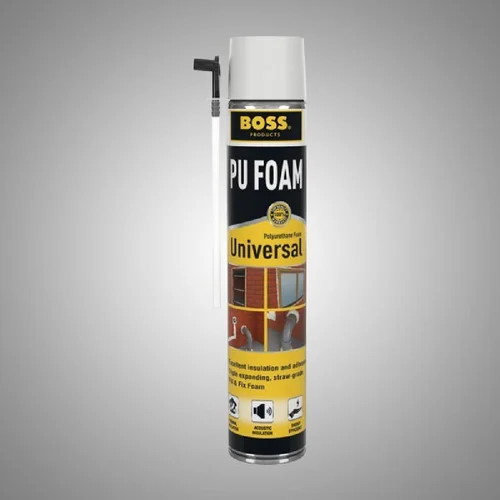
Sprayable Polyurethane Foam: Uses, Benefits and Important Considerations
Sprayable polyurethane foam (SPF) is an insulating and sealing material applied as a liquid and formed into foam on site. It is generally made by combining two components—a polyol blend and an isocyanate—using specialist spray equipment. The mixture expands and cures, creating a layer that can fit around irregular surfaces and reach areas that are difficult to insulate with boards or batts.
Types of Spray Foam
SPF is commonly described as either open-cell or closed-cell foam. Open-cell foam has a lighter, more flexible structure. Closed-cell foam is denser and more rigid, and can provide greater resistance to heat flow per unit of thickness. The right type depends on the building design, climate, intended use, moisture conditions and applicable regulations. Product performance varies, so specifications should be checked rather than assumed from the foam type alone.
Where Is It Used?
Sprayable polyurethane foam is used in a range of applications, including:
- Insulating roofs, walls, ceilings and floors
- Sealing gaps around services, joints and building elements
- Insulating cold-storage rooms, refrigerated vehicles and warehouses
- Thermal insulation for tanks, pipes and some industrial equipment
- Improving air-sealing in new construction and renovation projects
Its ability to adhere to many properly prepared surfaces makes it useful for complex shapes and hard-to-reach spaces. However, it is not suitable for every substrate or application, and the system must be selected for the conditions in which it will be used.
Potential Benefits
When correctly specified and installed, SPF can combine insulation with air sealing in one application. It can help reduce unwanted air movement through gaps and joints, which may support more consistent indoor temperatures and reduce the load on heating or cooling systems. Its seamless application can also minimise some of the gaps that may occur between separately fitted insulation pieces.
These benefits depend on the quality of the product, the design of the building and the standard of installation. Foam should not be treated as a substitute for good ventilation, moisture management or sound construction detailing.
Installation and Safety
Spray foam application requires training, suitable equipment and careful site preparation. The components must be mixed and applied in accordance with the manufacturer’s instructions, including requirements for temperature, substrate condition, thickness and curing. Surfaces typically need to be clean and dry, and the application should be checked for coverage, adhesion and defects.
Isocyanates used in SPF systems can present serious health risks during application, including respiratory and skin sensitisation. The work area should be managed to prevent exposure to applicators and other occupants. Trained professionals should use the specified personal protective equipment, follow product safety information and control access to the work area during application and curing. Re-entry times and ventilation requirements should be based on the product instructions and the project’s safety plan.
Fire, Moisture and Weathering
Polyurethane foam is a combustible material. Depending on the application and local requirements, it may need to be covered by an approved thermal or ignition barrier. The complete building assembly—not just the foam—should be assessed for fire safety.
Foam exposed to sunlight can degrade, so exterior applications generally require a suitable protective coating or covering. Moisture behaviour also needs careful consideration: some foam systems can restrict drying through a surface, and an unsuitable installation may contribute to trapped moisture or other building problems. A qualified designer should assess vapour control, drainage and ventilation for the specific project.
Choosing a Product and Installer
Before selecting SPF, confirm that the product is suitable for the intended use and local conditions. Review its technical data, safety information, declared thermal performance and installation requirements. Ask the installer about training, quality checks, curing and ventilation procedures, fire protection, and how the finished work will be inspected. Local building and fire-safety requirements should also be followed.
A Practical Insulation Option
Sprayable polyurethane foam can provide effective insulation and air sealing in suitable applications, particularly where surfaces are irregular or access is limited. Its performance depends on sound design, correct product selection and safe, professional installation. Considering these factors from the outset helps ensure that SPF contributes to a durable and comfortable building.
Sprayable Polyurethane Foam: 5 Frequently Asked Questions
- What is sprayable polyurethane foam and how does it work?
- What is the difference between open-cell and closed-cell spray foam?
- Where can sprayable polyurethane foam be used?
- Is sprayable polyurethane foam safe to install and use?
- How long does sprayable polyurethane foam last, and does it need maintenance?
What is sprayable polyurethane foam and how does it work?
Sprayable polyurethane foam (SPF) is an insulating and air-sealing material applied as a liquid using specialist equipment. Its two components react when mixed, causing the material to expand and cure into foam that adheres to the surface and fills gaps, joints and cavities. Depending on the product, the cured foam may be open-cell or closed-cell, with different properties and uses. For safe, effective results, SPF should be selected for the application and installed by trained professionals following the manufacturer’s instructions.
What is the difference between open-cell and closed-cell spray foam?
Open-cell spray foam has a lighter, softer and more flexible structure, while closed-cell spray foam is denser and more rigid. Closed-cell foam generally offers greater insulation per unit of thickness and can provide better resistance to moisture movement, but it may cost more and can affect how a wall or roof dries. Open-cell foam is often used where a flexible, lighter insulation layer is suitable. The best option depends on the building design, climate, moisture conditions and intended application, so check product specifications and seek advice from a qualified professional.
Where can sprayable polyurethane foam be used?
Sprayable polyurethane foam can be used to insulate and seal roofs, walls, ceilings and floors, as well as gaps around joints, pipes and other building services. It is also used in applications such as cold-storage rooms, refrigerated vehicles, warehouses, tanks and pipes. Because it expands to fit irregular surfaces and hard-to-reach spaces, it can suit both new construction and renovation projects. The appropriate foam type depends on the surface, moisture conditions and intended use, so product guidance and local building requirements should be checked before installation.
Is sprayable polyurethane foam safe to install and use?
Sprayable polyurethane foam can be safe to install and use when the product is suitable for the application and all safety instructions are followed. During installation, its chemical components may pose health risks, so trained professionals should use appropriate protective equipment, provide ventilation and keep occupants away from the work area for the period specified by the manufacturer. Once fully cured and correctly installed, the foam is generally suitable for normal building use, but it should be protected as required by fire-safety regulations and not cut or disturbed without suitable precautions. Always follow the product’s safety information and local building requirements.
How long does sprayable polyurethane foam last, and does it need maintenance?
When correctly specified, installed and protected from moisture, sunlight and physical damage, sprayable polyurethane foam can last for several decades. It generally requires little routine maintenance, but periodic checks are advisable to spot cracks, gaps, water ingress, damage to protective coatings or signs of deterioration. Any issues should be assessed and repaired promptly by a qualified professional, as the foam’s lifespan depends on the product, installation quality and conditions in the building.