
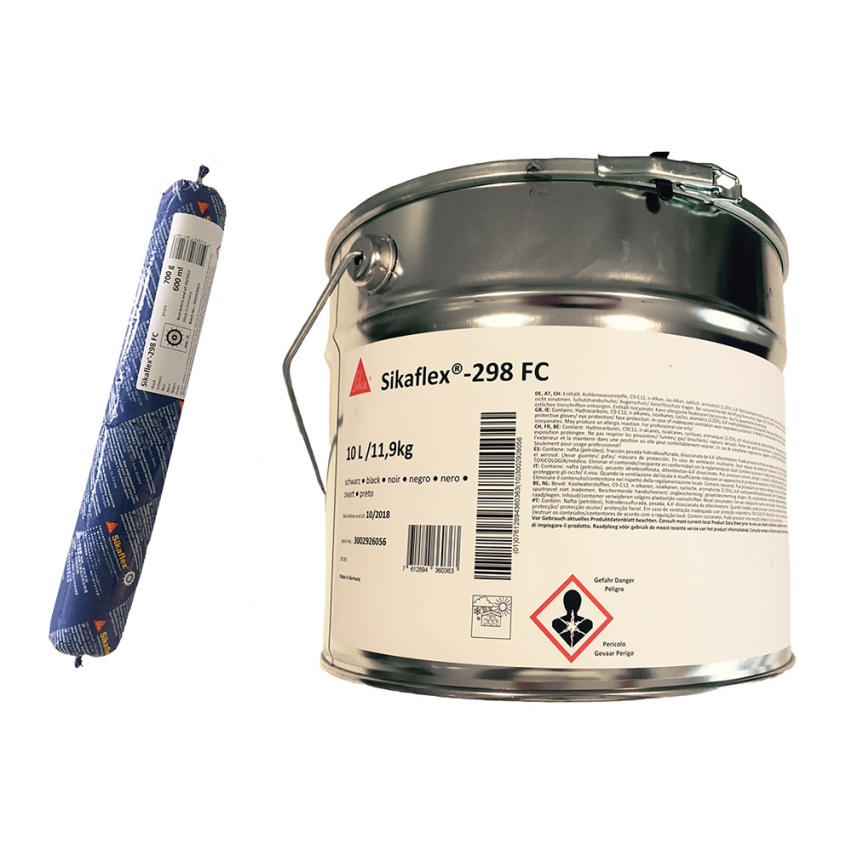
Sikaflex PU Sealant: Uses, Benefits and Application Guide
Sikaflex PU sealant is a range of polyurethane-based sealants used to seal joints and gaps in construction, building maintenance and other applications. The range includes products designed for different substrates and conditions, so the right choice depends on the joint, the materials involved and the manufacturer’s instructions.
What Is a PU Sealant?
PU stands for polyurethane. Polyurethane sealants are valued for their ability to form a flexible seal that can accommodate movement in a joint. Depending on the product, a Sikaflex sealant may be suitable for applications such as construction joints, façade joints, floor joints or general building repairs.
“Sikaflex” covers a variety of products rather than one universal sealant. Product performance, suitable uses, curing characteristics and application requirements can vary between formulations. Always check the current product data sheet for the specific product available in India.
Common Applications
Depending on the formulation, Sikaflex PU sealants may be used for:
- Sealing joints around doors and windows
- Sealing movement joints in walls, façades and other building elements
- Filling suitable joints in floors and pavements
- Sealing gaps between compatible construction materials
- Repair and maintenance work where a flexible joint seal is required
Not every product is appropriate for every application. For example, a sealant intended for a façade joint may not be suitable for a floor joint subject to traffic. Confirm the product’s intended use before starting work.
Key Benefits
- Flexibility: The cured sealant can accommodate movement within joints when correctly selected and installed.
- Adhesion: Many formulations are designed to bond to specified construction materials. Some surfaces may still require a primer.
- Durability: A suitable product, applied correctly and maintained as recommended, can help protect joints from water and weather exposure.
- Versatility: The Sikaflex range includes products for different construction and sealing requirements.
How to Apply Sikaflex PU Sealant
- Choose the correct product: Check that it is suitable for the joint type, expected movement, exposure conditions and materials.
- Prepare the joint: Remove dust, loose material, oil, grease and old sealant. Surfaces should be prepared as directed in the product data sheet.
- Use backing material where required: A backing rod can help control sealant depth and prevent the sealant from bonding to the bottom of the joint. Follow the specified joint design.
- Apply primer if specified: Primer requirements depend on the product and substrate. Do not assume that primer is unnecessary.
- Apply the sealant evenly: Use a suitable sealant gun and fill the joint without trapping air.
- Finish the surface: Tool the sealant within the time and by the method recommended by the manufacturer.
- Allow it to cure: Protect the joint from disturbance and exposure as advised on the product label and data sheet.
Safety and Storage
Read the label and safety data sheet before use. Work in a well-ventilated area, wear suitable gloves and eye protection, and avoid contact with skin and eyes. Keep the product out of reach of children. Store it in its original, sealed packaging under the conditions stated by the manufacturer, and check the expiry date before use.
Choosing the Right Sikaflex Product
Before purchasing, consider the joint’s location, dimensions, expected movement, exposure to sunlight or water, and the materials being joined. Also check whether the sealant can be painted, whether a primer is required and whether the product is suitable for the intended traffic or service conditions. For specialised applications, consult the product data sheet or contact Sika or an authorised distributor for guidance.
Conclusion
Sikaflex PU sealants provide options for a wide range of sealing needs, but the results depend on selecting the correct formulation and preparing and applying it properly. Always follow the instructions for the specific product rather than relying on general guidance alone.
7 Essential Tips for Using Sikaflex PU Sealant Safely and Effectively
- Choose the Sikaflex PU sealant grade suited to your application.
- Read the product label and technical data sheet before use.
- Ensure surfaces are clean, dry and free from dust, oil and loose material.
- Use a compatible primer where the product instructions recommend it.
- Apply within the temperature range stated on the packaging.
- Tool the bead promptly and avoid disturbing it while it cures.
- Wear suitable gloves and ensure good ventilation during application.
Choose the Sikaflex PU sealant grade suited to your application.
Choose the Sikaflex PU sealant grade suited to your application, as different products are designed for specific joints, surfaces and exposure conditions. Consider factors such as expected joint movement, indoor or outdoor use, weather exposure and whether the area will be subject to foot or vehicle traffic. Check the product label and technical data sheet to confirm suitability, surface preparation and any primer requirements before use.
Read the product label and technical data sheet before use.
Before using Sikaflex PU sealant, read the product label and technical data sheet carefully. They provide essential information on suitable applications, compatible surfaces, joint preparation, primer requirements, application conditions, curing time and safety precautions. As instructions can vary across products in the Sikaflex range, following the guidance for the specific sealant helps ensure a reliable result and safe handling.
Ensure surfaces are clean, dry and free from dust, oil and loose material.
Before applying Sikaflex PU sealant, ensure the surfaces are clean, dry and free from dust, oil, grease and loose material. Proper surface preparation helps the sealant adhere effectively and form a reliable, long-lasting seal. Remove any old sealant or contaminants, and allow damp surfaces to dry fully before application. Always follow the preparation instructions on the product’s data sheet, as some surfaces may require additional treatment or a primer.
Use a compatible primer where the product instructions recommend it.
For a strong, lasting bond, use a primer that is compatible with both the Sikaflex PU sealant and the surface being sealed—but only where the product instructions recommend it. Clean and prepare the surface as directed, then apply the primer according to its data sheet and allow it to dry for the specified time before applying the sealant. Using the wrong primer, or applying it unnecessarily, may affect adhesion and the finished seal.
Apply within the temperature range stated on the packaging.
Apply Sikaflex PU sealant only when the air and surface temperatures are within the range stated on the product packaging or technical data sheet. Applying it outside this range may affect adhesion, application and curing. Check the surface temperature as well as the weather conditions before starting, and follow the instructions for the specific product.
Tool the bead promptly and avoid disturbing it while it cures.
Tool the Sikaflex PU sealant bead promptly after application to achieve a neat finish and ensure good contact with the joint sides. Use the method recommended for the specific product, then avoid touching, moving or exposing the bead to disturbance while it cures. This helps the sealant form an even, reliable bond; check the product data sheet for its tooling window and curing guidance.
Wear suitable gloves and ensure good ventilation during application.
When applying Sikaflex PU sealant, wear suitable protective gloves to reduce skin contact, and work in a well-ventilated area. Follow the product label and safety data sheet for any additional precautions, including eye protection and safe handling.