
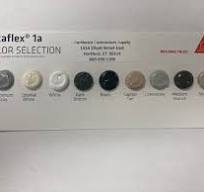
Sikaflex 1A Black: A Flexible Sealant for Construction Joints
Sikaflex 1A Black is a one-component polyurethane sealant designed for sealing joints in building and construction applications. Its black colour can suit dark façades, pavements and other surfaces where a contrasting or discreet finish is required. As product specifications and availability can vary by market, check the latest local technical data sheet before use.
What is Sikaflex 1A Black?
Sikaflex 1A is a moisture-curing, elastomeric sealant. It is supplied ready to use and is commonly used in vertical and horizontal joints where the seal needs to accommodate movement. The black version offers the same general purpose as other colour options, while providing a dark finish.
Common applications
Depending on the substrate and project requirements, Sikaflex 1A may be used for joints in materials such as concrete, masonry, metal and wood. Typical applications include:
- Expansion and control joints in concrete
- Joints around façades and building elements
- Sealing between compatible construction materials
- Selected pavement and other non-immersed joints
Always confirm that the product is suitable for the specific joint, substrate and exposure conditions. It should not be assumed to be appropriate for every application, particularly where permanent immersion, unusual chemicals or extreme temperatures are involved.
Key characteristics
- Ready to use: The one-component formulation does not require mixing.
- Flexible after curing: The cured sealant can accommodate movement within the limits stated in the product data sheet.
- Non-sag consistency: Suitable for many vertical as well as horizontal joints when applied correctly.
- Black finish: Useful where a dark sealant colour is preferred.
- Potentially paintable: Paint compatibility depends on the paint and application. A small-area test is recommended before painting.
Application basics
Good joint preparation is essential for a durable seal. Surfaces should be sound, clean and free from dust, oil, loose material and other contaminants. Use a suitable backing material where required to control the joint depth and prevent the sealant bonding to the back of the joint. Primers may be needed for certain substrates; refer to Sika’s current instructions.
Apply the sealant evenly with a compatible dispensing gun, ensuring that it makes proper contact with the joint sides. Tool the surface within the recommended working time. Curing takes place through exposure to moisture, so the time required can vary with temperature, humidity, joint dimensions and site conditions.
Safety and storage
Read the product label, safety data sheet and technical data sheet before use. Wear suitable protective equipment, provide adequate ventilation and avoid contact with skin and eyes. Store the cartridge as directed on its packaging, within the stated temperature range and shelf life. Do not use material that is past its expiry date or has been stored incorrectly.
Choosing the right sealant
Sikaflex 1A Black can be a practical option for construction joints where a flexible polyurethane seal and dark colour are required. The right choice depends on joint movement, dimensions, substrate, weather exposure and any finishing requirements. For project-specific guidance, consult the latest Sika product documentation or a qualified construction professional.
6 Essential Tips for Using Sikaflex-1a Black Sealant
- Use Sikaflex-1a Black for suitable joints as specified in the product datasheet.
- Clean surfaces and remove dust, oil, and loose material before applying.
- Use backer rod where needed to control joint depth.
- Apply steadily and tool the sealant before it forms a skin.
- Wear gloves and ensure good ventilation during application.
- Allow it to cure fully; check the label for curing time and conditions.
Use Sikaflex-1a Black for suitable joints as specified in the product datasheet.
Use Sikaflex-1a Black only for joints that are suitable for the product, and follow the application instructions and limitations in the latest product datasheet. Check that the substrate and site conditions meet the stated requirements before application.
Clean surfaces and remove dust, oil, and loose material before applying.
Before applying Sikaflex 1A Black, make sure the joint surfaces are clean, dry and sound. Remove dust, oil, grease and any loose or flaking material so the sealant can bond properly. Following the product instructions for surface preparation can help achieve a reliable, long-lasting seal.
Use backer rod where needed to control joint depth.
Use a backer rod where needed to control the depth of the joint before applying Sikaflex 1A Black. It helps create the correct sealant profile and prevents the sealant from bonding to the bottom of the joint, allowing it to move more effectively with the joint. Choose a backer rod that suits the joint width and follow the product’s current application instructions.
Apply steadily and tool the sealant before it forms a skin.
Apply Sikaflex 1A Black steadily and evenly to help fill the joint without gaps or trapped air. Smooth and tool the sealant within the working time, before a skin forms on the surface, to achieve neat contact with the joint sides and a clean finish. Follow the product’s latest technical data sheet for recommended tooling methods and timing.
Wear gloves and ensure good ventilation during application.
Wear suitable protective gloves when applying Sikaflex 1A Black to help prevent sealant from contacting your skin. Work in a well-ventilated area, as recommended in the product safety instructions, and avoid direct contact with the eyes. Always read the product label and safety data sheet before use.
Allow it to cure fully; check the label for curing time and conditions.
Allow Sikaflex 1A Black to cure fully before exposing it to movement, moisture or finishing work. Curing time can vary depending on temperature, humidity and joint dimensions, so check the product label and follow the recommended curing conditions for the best results.