
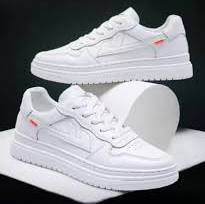
Shoes: Comfort, Style and Everyday Protection
Shoes are an essential part of daily life. They protect the feet, support movement and help people feel comfortable in a wide range of settings. From walking to work and playing sport to attending a celebration, the right pair can make a noticeable difference to both comfort and confidence.
A Shoe for Every Occasion
Shoes are designed for different activities and environments. Sports shoes offer cushioning and support for exercise, while formal shoes are often chosen for work or special occasions. Sandals and slippers allow greater airflow in warm weather, and sturdy boots can provide added coverage on rough or wet ground. Choosing footwear suited to the activity can help improve comfort and reduce unnecessary strain on the feet.
Finding the Right Fit
A good fit is one of the most important features of a shoe. Footwear that is too tight may cause rubbing or discomfort, while shoes that are too loose can feel unstable. Feet may change in size over time, so it can be helpful to check the fit periodically. When trying on shoes, make sure there is enough room for the toes to move and that the heel feels secure. Since feet can swell during the day, trying shoes on later in the day may also help with fit.
Materials and Construction
Shoes are made from a variety of materials, including leather, fabric, rubber and synthetic materials. Each has different qualities in terms of flexibility, breathability, durability and care. The sole, stitching and overall construction also affect how a shoe feels and how well it holds up to regular use. When buying a pair, consider where and how often it will be worn, as well as the local climate.
Care for Longer Wear
Simple care can help keep shoes in good condition. Allowing footwear to dry naturally after use, cleaning it according to its material and storing it in a well-ventilated place can help maintain its appearance. Rotating between pairs, where possible, gives shoes time to air out. Always follow the care instructions provided by the manufacturer.
Choosing Thoughtfully
Comfort and suitability should come before appearance alone. It can also be useful to consider durability, repairability and the materials used when making a purchase. Well-chosen shoes can support everyday activities, complement personal style and serve their purpose for a long time.
Whether simple or specialised, shoes play an important role in daily life. A pair that fits well and suits its intended use can make walking and standing more comfortable, while helping protect the feet wherever the day leads.
8 Benefits of Wearing Shoes: Protection, Comfort, Support and Style
- Protect feet from rough surfaces and weather.
- Provide comfort during walking and standing.
- Offer support for everyday activities.
- Help prevent slips with suitable soles.
- Come in styles for different occasions.
- Sports shoes support active movement.
- Quality shoes can last for years with care.
- Shoes let people express personal style.
5 Common Drawbacks of Shoes: Poor Fit, Low Support, Wear, Heat and Cost
- Poorly fitting shoes can cause blisters and discomfort.
- Some shoes offer little support for long periods of walking.
- Low-quality footwear may wear out quickly.
- Certain materials can feel hot or lack breathability.
- Shoes can be expensive to replace regularly.
Protect feet from rough surfaces and weather.
Shoes help protect feet from rough surfaces and changing weather. Their sturdy soles act as a barrier against stones, uneven ground and hot pavements, while the upper part can shield the feet from dust, rain and cold. The right footwear makes walking outdoors more comfortable and helps reduce the risk of cuts, scrapes and other minor injuries.
Provide comfort during walking and standing.
Well-designed shoes provide comfort and support during walking and standing. Their cushioning helps absorb impact, while a supportive sole can reduce pressure on the feet and legs. A good fit also helps prevent rubbing and discomfort, making it easier to stay on your feet throughout the day.
Offer support for everyday activities.
Shoes offer support for everyday activities such as walking, standing and travelling. A well-fitting pair can cushion the feet, provide grip on different surfaces and help people move comfortably throughout the day. Choosing shoes suited to the activity can also reduce strain and make daily tasks easier.
Help prevent slips with suitable soles.
Shoes with suitable soles can help prevent slips by providing better grip on different surfaces. Tread patterns and materials designed for traction can be especially useful on wet, smooth or uneven ground. Choosing footwear suited to the conditions can make walking feel steadier and help reduce the risk of slipping.
Come in styles for different occasions.
Shoes come in styles to suit different occasions, making it easy to find the right pair for every part of the day. Comfortable trainers are ideal for exercise and casual outings, while formal shoes complement office wear and special events. Sandals and slippers are popular choices for warm weather and relaxed settings, and boots offer extra coverage in cooler or rainy conditions. With so many designs available, shoes can provide practical comfort while complementing different outfits and personal styles.
Sports shoes support active movement.
Sports shoes are designed to support active movement during exercise and everyday activities. Their cushioned soles help absorb impact, while flexible materials allow the feet to move comfortably. Many styles also provide grip and stability, which can be useful when running, walking or playing sport. Choosing sports shoes that fit well and suit the activity can help make movement more comfortable.
Quality shoes can last for years with care.
Quality shoes can last for years when cared for properly, making them a worthwhile investment. Regular cleaning, suitable storage and allowing shoes to dry naturally can help preserve their materials and shape. Replacing worn laces or repairing the soles when needed may also extend their useful life, reducing the need to buy new pairs as often.
Shoes let people express personal style.
Shoes are a simple way to express personal style. From bright colours and bold designs to classic, understated pairs, the right footwear can reflect a person’s tastes and complement an outfit. Whether chosen for comfort, tradition or fashion, shoes allow people to add a distinctive touch to their everyday look.
Poorly fitting shoes can cause blisters and discomfort.
Poorly fitting shoes can make even a short walk uncomfortable. Shoes that are too tight may rub against the skin, while loose footwear can cause the feet to slide around, leading to blisters, soreness and irritation. Choosing the right size and fit helps keep feet comfortable and reduces the risk of these problems.
Some shoes offer little support for long periods of walking.
Some shoes provide little support during long periods of walking. Thin soles, poor cushioning or a lack of arch support can leave the feet feeling tired and uncomfortable, especially on hard surfaces. Choosing well-fitting footwear with suitable cushioning and support can make walking more comfortable.
Low-quality footwear may wear out quickly.
Low-quality footwear may wear out quickly, especially with regular use. Soles can become thin or separate, stitching may come undone, and the material may crack or lose its shape. This can mean replacing shoes more often, increasing costs and creating extra waste. Choosing a well-made pair suited to its intended use can offer better durability and value over time.
Certain materials can feel hot or lack breathability.
Some shoes are made from materials that do not allow enough air to circulate around the feet. This can make them feel hot and uncomfortable, particularly in warm or humid weather, and may cause the feet to sweat more than usual. Choosing breathable materials, such as mesh or lightweight fabrics, can help keep feet cooler and more comfortable.
Shoes can be expensive to replace regularly.
Shoes can be expensive to replace regularly, particularly when they are worn every day or needed for specific activities such as running, work or formal occasions. Frequent replacement can put pressure on household budgets, while cheaper options may not always provide the comfort or durability required. Choosing well-made shoes, caring for them properly and repairing them when practical can help extend their life and reduce the cost over time.