
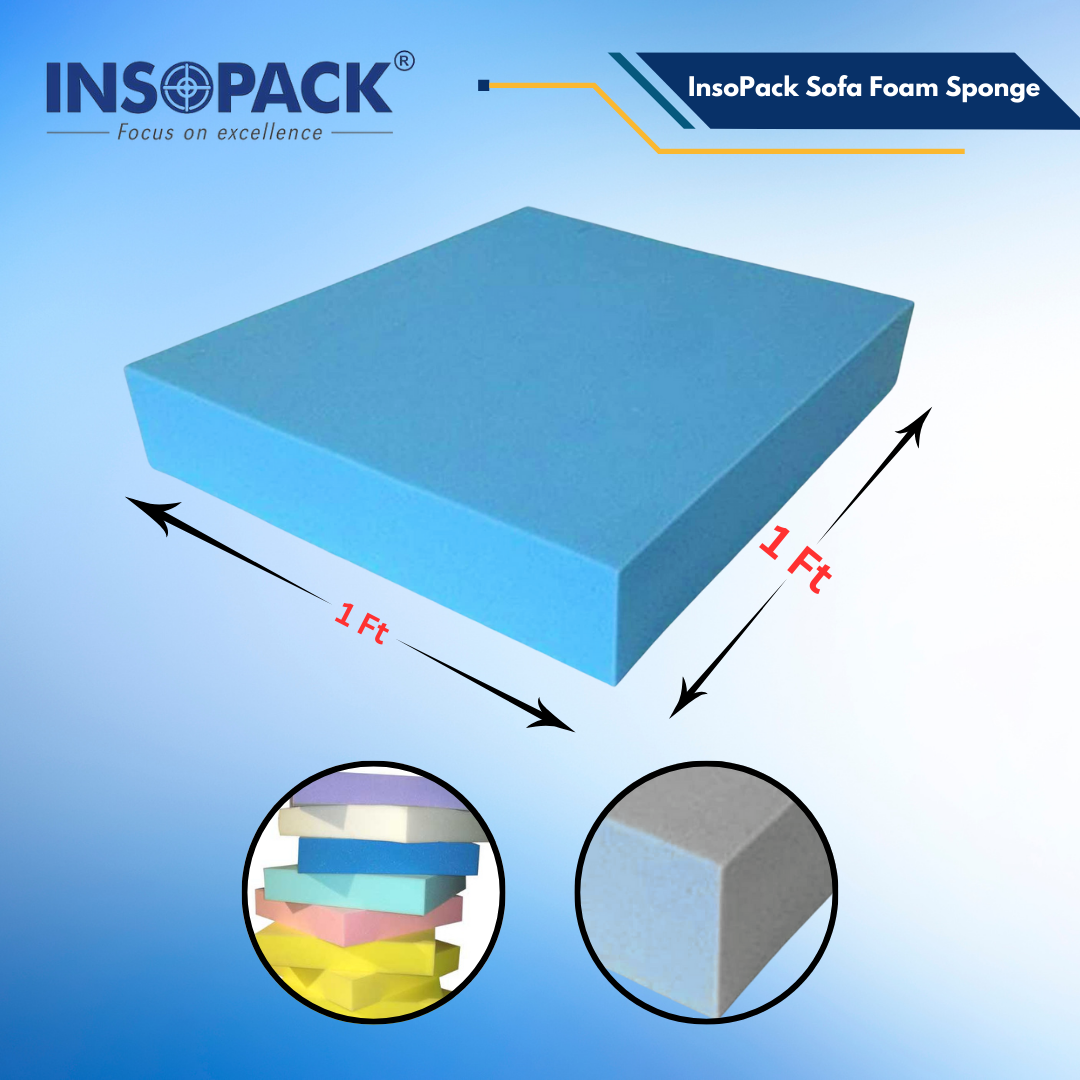
PU Foam Block: Uses, Types and How to Choose
A PU foam block is a block of polyurethane foam made by reacting polyols with isocyanates and other ingredients. Depending on its formulation and production process, it can be soft and flexible or firm and rigid. Flexible PU foam blocks are widely used in furniture, bedding, packaging and automotive interiors, while rigid foam is commonly used for insulation and protective applications.
What Is a PU Foam Block?
PU stands for polyurethane, a versatile polymer that can be produced in a range of densities, firmness levels and cell structures. Flexible foam is often manufactured in large blocks, sometimes called slabstock, which can then be cut into sheets, cushions, profiles or custom shapes.
The finished foam’s performance depends on factors such as its formulation, density, firmness, cell structure and intended use. These characteristics can be adjusted to meet different application requirements.
Common Types of PU Foam Blocks
- Flexible PU foam: Soft, resilient foam commonly used in seating, mattresses, cushions and upholstery.
- High-resilience foam: Designed to provide greater support and bounce than many conventional flexible foams. It is often selected for seating and bedding.
- High-density foam: A broad description for foam with more material per unit volume. It may be chosen for applications where durability or support is important, but density alone does not determine firmness or quality.
- Rigid PU foam: Firm, shape-retaining foam used in applications such as thermal insulation, depending on its construction and specifications.
- Special-purpose foam: Formulated for particular needs, such as acoustic control, packaging or specific performance requirements. The suitability of a product should be confirmed with its technical documentation.
Where Are PU Foam Blocks Used?
PU foam blocks are used across a wide range of industries. Flexible foam is commonly converted into:
- Sofa, chair and mattress components
- Seat cushions and backrests
- Automotive seating, headrests and interior padding
- Upholstery, quilting and furnishing products
- Protective inserts and packaging components
- Custom-cut products for commercial and industrial uses
Rigid PU foam may be used for insulation or other applications where a firm, lightweight material is required. The correct type depends on the product’s design, operating conditions and applicable standards.
Key Properties to Consider
When comparing PU foam blocks, look beyond appearance and price. Important specifications may include:
- Density: The mass of foam per unit volume. It is useful for comparing material quantities, but does not by itself indicate firmness or comfort.
- Firmness or indentation force: A measure of how much force is needed to compress the foam under a specified test method.
- Resilience: How well the foam recovers after compression.
- Compression set: The extent to which the foam remains compressed after a defined test.
- Airflow and cell structure: These can affect ventilation and the foam’s behaviour in use.
- Dimensions and tolerances: Important when blocks will be cut or fitted into a finished product.
- Compliance and safety information: Check relevant test reports, product documentation and requirements for the intended market or application.
How to Choose the Right PU Foam Block
- Define the application. Decide whether the foam is for seating, bedding, packaging, insulation or another purpose.
- Specify the required feel and support. For cushioning, assess firmness and comfort as well as density.
- Consider expected use. A product used frequently may need different durability characteristics from one used occasionally.
- Check dimensions and processing needs. Confirm block size, cutting requirements and any limits on the finished shape.
- Request technical data. Ask the supplier for specifications and test methods, and compare like with like.
- Review safety and handling guidance. Follow the supplier’s instructions for storage, cutting and use, particularly where chemical or fire-safety requirements apply.
Manufacturing and Cutting
Flexible PU foam blocks are commonly produced using a controlled foaming process and then left to cure before further processing. Once ready, the blocks can be cut to size using suitable equipment. Cutting methods may include horizontal or vertical slicing, contour cutting and other forms of machining, depending on the product design.
Consistent results depend on appropriate equipment, trained operators and careful control of the material. Manufacturers and processors should follow product-specific safety procedures and keep relevant technical and safety information accessible.
Care, Storage and Safety
Store PU foam blocks in a clean, dry area and protect them from damage, contamination and prolonged exposure to conditions that may affect the material. Follow the supplier’s guidance for temperature, stacking and storage time. During processing, use suitable equipment and follow workplace safety requirements.
Foam products can differ in their fire behaviour. Do not assume that a PU foam block is fire-resistant or suitable for a regulated application without checking the specific product documentation and applicable standards.
Conclusion
PU foam blocks are versatile materials that can be made for a wide range of cushioning, furnishing, packaging and insulation applications. Choosing the right block means matching its type and tested properties to the intended use. By checking specifications, dimensions, safety information and supplier guidance, buyers can make a more informed choice for their product or project.
8 Essential Tips for Choosing, Handling and Storing PU Foam Blocks
- Choose the foam density to suit your use.
- Check the block size before ordering.
- Store foam in a cool, dry place.
- Keep blocks away from flames and heat.
- Use a sharp knife for clean cuts.
- Wear a mask when cutting foam.
- Avoid prolonged direct sunlight.
- Recycle or dispose of foam responsibly.
Choose the foam density to suit your use.
Choose the PU foam block density according to how it will be used. Higher-density foam contains more material per unit volume and may be better suited to applications requiring greater durability, such as frequently used seating. Lower-density foam may work for light-duty cushioning or packaging. However, density alone does not determine firmness or comfort, so check the foam’s firmness and other specifications as well.
Check the block size before ordering.
Check the PU foam block’s dimensions before placing an order. Confirm the length, width and height, along with any permitted size variations, to ensure the block suits your cutting plan, equipment and storage space. If you need specific finished pieces, share the required measurements with the supplier and verify them before confirming the order. This can help avoid material wastage, processing delays and extra costs.
Store foam in a cool, dry place.
Store PU foam blocks in a cool, dry place to help protect them from moisture, heat and potential damage. Keep the blocks away from direct sunlight, heaters and damp areas, and follow the supplier’s storage guidance to help maintain their condition until they are ready to use.
Keep blocks away from flames and heat.
Keep PU foam blocks away from open flames, sparks and high heat, as they may ignite or be damaged by excessive temperatures. Store them in a cool, well-ventilated area, away from heaters and hot equipment, and follow the supplier’s handling and fire-safety guidance.
Use a sharp knife for clean cuts.
Use a sharp knife when cutting a PU foam block to help achieve clean, even edges and reduce tearing or compression. Cut slowly and steadily on a stable, protected surface, keeping your hands clear of the blade. For thicker blocks or repeated cuts, use suitable cutting equipment and follow the manufacturer’s safety guidance.
Wear a mask when cutting foam.
Wear a suitable mask when cutting a PU foam block to reduce the risk of breathing in fine particles. Work in a well-ventilated area, use appropriate cutting equipment and follow the foam supplier’s safety guidance. A mask should be part of your protective equipment, alongside any other precautions required for the job.
Avoid prolonged direct sunlight.
Avoid prolonged exposure to direct sunlight, as ultraviolet rays and heat can cause PU foam to discolour, become brittle or lose some of its performance over time. Store the foam block in a cool, shaded place, away from windows and other strong sources of heat, and cover it when it is not in use.
Recycle or dispose of foam responsibly.
Recycle or dispose of PU foam blocks responsibly to reduce waste and support more sustainable resource use. Where possible, reuse clean offcuts or check with local recycling facilities and your supplier about collection or recycling options, as services vary by area and foam type. Do not burn foam or put it in waterways, and follow local waste-management rules for any material that cannot be recycled.