
Polyurethane Foam Glue: Uses, Benefits and Application Tips
Polyurethane foam glue is an adhesive used to bond foam materials and, in some formulations, to attach insulation boards and other building products to common surfaces. It is valued for its strong bond, versatility and ability to fill small gaps. The right product depends on the materials being joined and the conditions in which the bond will be used.
What Is Polyurethane Foam Glue?
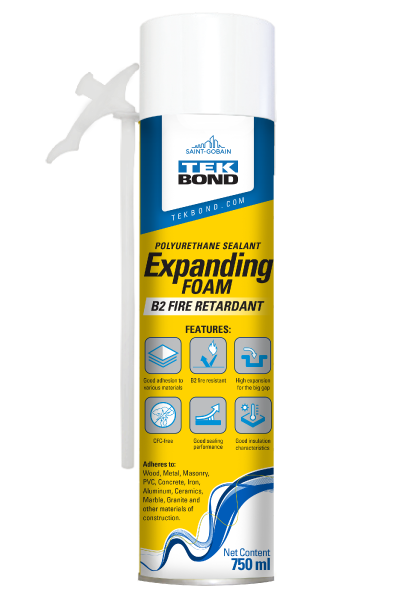
Polyurethane (PU) foam glue is an adhesive based on polyurethane chemistry. Products may be supplied as a ready-to-use adhesive, a cartridge-applied foam adhesive or a two-component system. Some expand as they cure, while others are designed to form a thinner, more controlled bond line. These products are not all interchangeable, so always check the label and technical data sheet.
Common Applications
- Bonding compatible foam boards used for insulation
- Fixing certain construction panels to approved surfaces
- Joining foam components in furniture, upholstery and packaging
- Filling small gaps where the product is specifically designed for that purpose
For delicate foam, such as expanded polystyrene (EPS), use an adhesive explicitly labelled as compatible. Some solvent-based adhesives can damage or dissolve foam. When bonding insulation boards, confirm that the glue is suitable for the board type, substrate and intended indoor or outdoor conditions.
Key Benefits
- Strong adhesion: Formulated products can bond a range of compatible materials.
- Gap filling: Certain expanding products can fill minor voids, subject to the manufacturer’s instructions.
- Convenient application: Cartridge or canister formats can make application easier on larger projects.
- Versatility: Different formulations are available for construction, industrial and general-purpose uses.
How to Apply It
- Check compatibility: Read the product label and confirm suitability for both surfaces.
- Prepare the surfaces: Remove dust, oil, loose particles and moisture unless the instructions specify otherwise.
- Apply as directed: Use the recommended bead size, coverage and application method. Avoid applying more than needed, particularly with expanding products.
- Position and secure: Bring the parts together within the stated working time. Use temporary support or clamping if required.
- Allow it to cure: Keep the joint undisturbed for the period specified by the manufacturer. Temperature and humidity can affect curing.
- Clean up safely: Follow the product instructions for removing uncured adhesive. Cured PU may be difficult to remove.
Safety and Storage
Use PU foam glue in a well-ventilated area and follow the safety instructions on the packaging. Wear suitable gloves and eye protection, and avoid contact with skin and eyes. Some polyurethane products contain reactive ingredients that can cause irritation or sensitisation. Keep them away from children, heat and ignition sources where the label requires it. Store the product as directed, and do not use it beyond its stated shelf life.
Choosing the Right Product
Before buying, consider the foam type, the surface being bonded, whether the joint will be indoors or outdoors, and whether flexibility, water resistance or gap filling is required. A small compatibility test on an inconspicuous area can help identify problems before full application. For structural or safety-critical work, select a product approved for that specific use and consult a qualified professional.
Conclusion
Polyurethane foam glue can provide a practical solution for bonding compatible foam and construction materials. Choosing the correct formulation and following the application and safety instructions are essential for a reliable result.
Polyurethane Foam Glue FAQs: Best Adhesives, Uses and Disadvantages
- What glue is best for polyurethane foam?
- What are the disadvantages of using polyurethane glue?
- What is polyurethane glue used for?
- What is the best glue for polyethylene foam?
- What is the best glue for polyurethane foam?
- What glue is good for polyethylene foam?
What glue is best for polyurethane foam?
The best glue for polyurethane foam is usually an adhesive specifically labelled as suitable for flexible PU foam, such as a foam upholstery adhesive. Choose a water-based or solvent-based product according to the foam and surfaces being joined, and check the manufacturer’s instructions for compatibility, flexibility and curing time. Test it on a small, hidden area first, as some adhesives may damage or stiffen the foam.
What are the disadvantages of using polyurethane glue?
Polyurethane glue has a few disadvantages to consider: it can expand while curing, so excess glue may squeeze out or push lightweight parts out of position. It usually needs moisture to cure and may require clamping, while full curing can take longer than with some other adhesives. Uncured glue can be difficult to remove from skin, clothing and surfaces, and cured adhesive is also hard to clean up. Some formulations may irritate the skin or cause sensitisation, so gloves, good ventilation and careful handling are important. It can also be more expensive than basic glues and may not suit every foam or plastic, making it essential to check material compatibility and the product instructions before use.
What is polyurethane glue used for?
Polyurethane glue is used to bond a range of compatible materials, including wood, metal, concrete, ceramics and some plastics and foams. Depending on the product, it may also be used for insulation boards, panels and other construction applications. Some formulations expand as they cure and can fill small gaps, but they are not suitable for every surface—check the product label, especially when working with foam, as certain adhesives can damage it.
What is the best glue for polyethylene foam?
The best glue for polyethylene foam is an adhesive specifically labelled for polyethylene (PE) or low-surface-energy plastics, as ordinary polyurethane foam glue and many general-purpose adhesives may not bond reliably to its smooth, chemically resistant surface. For a stronger bond, some products may require a primer or surface treatment, such as corona or flame treatment; follow the manufacturer’s instructions and take appropriate safety precautions. Check compatibility with the foam and the surfaces being joined, and test on a small area first.
What is the best glue for polyurethane foam?
The best glue for polyurethane foam is an adhesive specifically labelled as suitable for PU foam and the materials being joined. For flexible foam, a foam-compatible water-based or contact adhesive is often suitable, while rigid insulation boards may require a purpose-made PU construction adhesive. Avoid ordinary solvent-based glues unless the manufacturer confirms they are foam-safe, as some can damage the foam. Check the product instructions and test it on a small area first.
What glue is good for polyethylene foam?
Polyethylene foam has a low-energy surface, so ordinary polyurethane foam glue and many general-purpose adhesives may not bond reliably. Choose an adhesive specifically labelled for polyethylene or polyolefin foam, and check that it is compatible with the foam’s density and intended use. Some products require a primer or surface treatment, while solvent-based adhesives may damage the foam. Always follow the manufacturer’s instructions and test the adhesive on a small area first.