
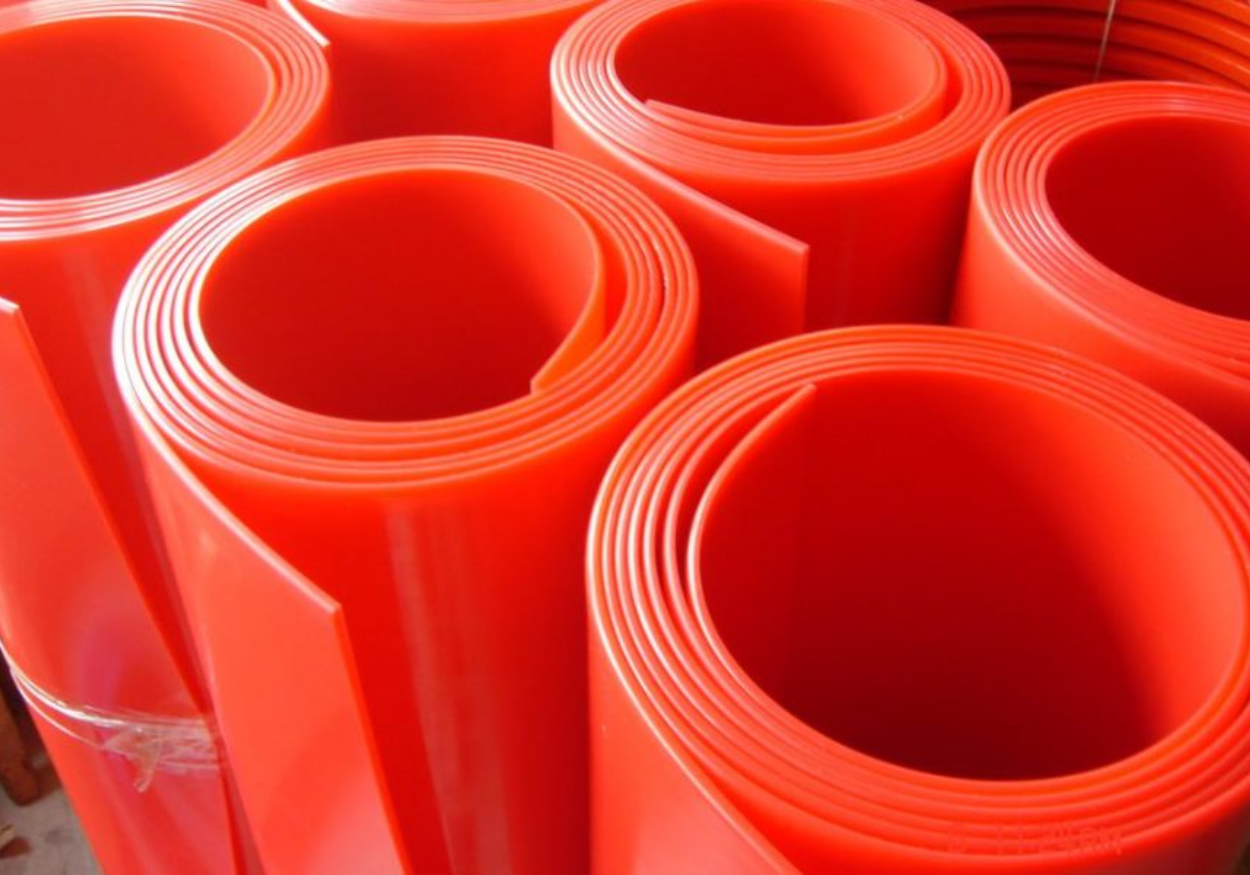
Polyurethane Resin: Properties, Types and Applications
Polyurethane resin is a versatile polymer used to make products that range from flexible foams and protective coatings to strong adhesives and durable cast components. Its properties can be adjusted to suit different applications, making it valuable across industries such as construction, automotive, furniture, footwear, electronics and manufacturing.
What is polyurethane resin?
Polyurethane is a family of polymers formed through a chemical reaction between compounds containing isocyanate groups and compounds containing hydroxyl groups, commonly called polyols. The choice of ingredients and the formulation determine the material’s final characteristics. Polyurethane resin may be formulated as a liquid for casting, coating or bonding, or processed into foams and other solid products.
Unlike a single, standard material, polyurethane resin describes a broad range of formulations. These can be designed to be soft or rigid, flexible or tough, and either solid or cellular.
Common types
- Cast polyurethane resin: Poured into a mould and cured to create parts, prototypes, rollers, wheels and other components.
- Polyurethane coating resin: Applied to surfaces to provide protection against abrasion, moisture, chemicals and weathering, depending on the formulation.
- Polyurethane adhesive resin: Used to bond materials such as wood, metal, concrete, rubber and some plastics.
- Flexible and rigid foam systems: Used in products such as furniture cushioning, insulation panels and appliance insulation.
- Water-based polyurethane: A coating or adhesive option that uses water as its main carrier, though its performance and environmental profile depend on the complete formulation.
Key properties
The performance of polyurethane resin varies by type, but common advantages include:
- Good resistance to wear and abrasion
- Strong adhesion to many substrates
- Flexibility or rigidity tailored to the application
- Resistance to impact and repeated movement
- Useful insulating properties in foam applications
- Options for resistance to water, oils and certain chemicals
- Ability to be moulded or applied in different ways
These characteristics are formulation-dependent. For example, not every polyurethane resin is suitable for prolonged exposure to sunlight, high temperatures or aggressive chemicals.
Where polyurethane resin is used
In construction, polyurethane products are used in sealants, flooring systems, protective coatings and insulation. Automotive and transport manufacturers use them in seating, interior components, seals and durable elastomeric parts. In furniture and bedding, polyurethane foams provide cushioning and support. Footwear applications include soles and other components that need a balance of comfort, flexibility and wear resistance.
Polyurethane resins are also used in industrial rollers, wheels, moulded parts, electrical encapsulation and repair systems. The appropriate product depends on the service conditions, the materials being joined or coated, and the manufacturing process.
Choosing the right resin
Before selecting a polyurethane resin, consider the following:
- End use: Identify the loads, movement, impact and expected service life.
- Exposure: Check whether the part will face water, oils, chemicals, sunlight or temperature changes.
- Substrate compatibility: Confirm that the resin will bond to or work with the surface material.
- Processing requirements: Review mixing ratios, pot life, curing time, application method and mould requirements.
- Performance specifications: Ask for relevant data, such as hardness, tensile strength, elongation, abrasion resistance and temperature range.
- Compliance: Check applicable product, workplace and end-use requirements, particularly for food-contact, medical or building applications.
Testing the resin under representative conditions is often the best way to confirm suitability. Product data sheets and safety data sheets should be reviewed before use.
Handling and safety
Uncured polyurethane systems may contain substances that require careful handling. Some formulations use isocyanates, which can be hazardous if inhaled or if they contact the skin or eyes. Follow the manufacturer’s safety instructions, provide suitable ventilation, use the specified protective equipment and ensure that workers are trained in safe handling. Do not rely on odour as an indication of safety.
Mixing and curing should be carried out according to the product instructions. Incorrect proportions, unsuitable temperatures or poor moisture control can affect the final result. Spills and waste should be managed in accordance with the safety data sheet and local regulations.
Environmental considerations
Polyurethane products can offer long service life and help reduce replacement needs in some applications. However, the environmental impact depends on the raw materials, manufacturing process, product lifespan and end-of-life options. Recycling can be challenging for some cured polyurethane materials, although recovery and recycling technologies continue to develop. Buyers can ask suppliers about recycled or bio-based content, emissions, durability and available end-of-life pathways.
Conclusion
Polyurethane resin is not one material but a broad family of polymers that can be engineered for a wide range of uses. Its combination of durability, design flexibility and processing options makes it useful in many sectors. Choosing the right formulation—and handling it safely—depends on understanding the application, exposure conditions and performance requirements.
Polyurethane Resin FAQs: Composition, Uses, Epoxy Comparison, Safe Application and Curing Time
- What is polyurethane resin and how is it made?
- What are the common uses of polyurethane resin?
- What is the difference between polyurethane resin and epoxy resin?
- How do you mix and apply polyurethane resin safely?
- How long does polyurethane resin take to cure?
What is polyurethane resin and how is it made?
Polyurethane resin is a versatile polymer used in coatings, adhesives, cast components and foams. It is generally made by reacting compounds called polyols with isocyanates; the formulation may also include catalysts, pigments and other additives to achieve the required properties. Depending on its ingredients and processing, the resin can be made flexible or rigid and supplied as a one- or two-component system. As some formulations contain hazardous chemicals before curing, they should be handled according to the manufacturer’s instructions and safety data sheet.
What are the common uses of polyurethane resin?
Polyurethane resin is used in a wide range of products because it can be formulated to be flexible, rigid, durable or protective. Common applications include protective coatings for floors and other surfaces, adhesives and sealants, moulded parts, rollers and wheels, and components for the automotive, furniture and footwear industries. It is also used in flexible and rigid foams for cushioning and insulation, as well as in electrical and industrial applications. The best type depends on the required performance, the materials involved and the conditions in which the product will be used.
What is the difference between polyurethane resin and epoxy resin?
Polyurethane resin is generally more flexible and impact- and abrasion-resistant, making it suitable for applications such as elastomeric parts, flexible coatings and moulded components. Epoxy resin is typically more rigid and is valued for its strong adhesion, dimensional stability and good resistance to many chemicals, so it is often used in structural bonding, protective coatings and composites. The exact performance of both materials depends on the formulation and curing conditions, so the best choice should be based on the application and the manufacturer’s product specifications.
How do you mix and apply polyurethane resin safely?
Mix and apply polyurethane resin in a well-ventilated area, following the manufacturer’s instructions and safety data sheet for the exact mixing ratio, mixing time, working life and curing conditions. Wear the specified protective gloves, eye protection and clothing; where the safety data sheet requires respiratory protection, use a properly selected and fitted respirator. Measure components accurately, mix thoroughly without splashing, and avoid skin or eye contact and inhalation of vapours or aerosols. Keep the product away from heat and ignition sources where specified, and never clean resin from skin with solvents. Allow it to cure as directed, and dispose of leftover material and containers according to the product guidance and local regulations.
How long does polyurethane resin take to cure?
The curing time for polyurethane resin depends on its formulation, mixing ratio, temperature, humidity and the thickness of the application. Some products become touch-dry or suitable for handling within a few hours, while full curing may take 24–72 hours or longer. Cooler conditions can slow curing, and incorrect mixing can affect the final strength and finish. Always follow the manufacturer’s instructions and product data sheet for the recommended curing time before handling, sanding or putting the finished item into service.