
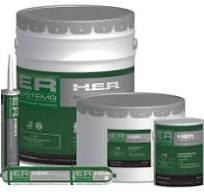
HER Polyurethane Roof Sealant: A Practical Guide to Protecting Your Roof
Roofs are exposed to intense sunlight, heavy rain, temperature changes and everyday wear. Over time, these conditions can lead to cracks, gaps and leaks around joints or fittings. HER polyurethane roof sealant is designed for sealing roof details and helping protect vulnerable areas from water ingress. Before use, always check the product label and technical data sheet to confirm that it is suitable for your roof material and application.
What Is Polyurethane Roof Sealant?
Polyurethane roof sealant is a flexible sealing material used to fill and protect joints, cracks and gaps. Once cured, it forms a durable seal that can accommodate some movement in the joint. This flexibility makes polyurethane sealants useful in areas exposed to changing temperatures and weather, such as roof edges, flashing and connections around pipes or vents.
Where Can It Be Used?
Depending on the product’s specifications, HER polyurethane roof sealant may be suitable for applications such as:
- Sealing joints and seams on roofs
- Closing gaps around vents, pipes and other roof penetrations
- Sealing flashing and roof-to-wall connections
- Repairing small cracks or gaps in compatible roofing materials
Compatibility varies between products and surfaces. Check the manufacturer’s guidance before applying the sealant to metal, concrete, masonry, tiles, or existing coatings. It is not a substitute for repairing damaged roofing structures or replacing severely deteriorated materials.
How to Apply Roof Sealant
- Inspect the area: Identify the source of the leak and check whether the roof needs repair beyond sealing.
- Prepare the surface: Remove loose material, dust, oil and old, failing sealant. The surface should meet the product instructions for cleanliness and dryness.
- Apply carefully: Use the recommended applicator and apply a continuous bead to the joint or gap. Follow the specified joint dimensions and application method.
- Allow it to cure: Keep the area protected from rain, dust and disturbance for the time stated on the product label. Curing time may vary with temperature, humidity and application thickness.
- Check the finish: Once cured, inspect the seal and confirm that the repair is complete before the roof is exposed to water.
Important Safety and Storage Tips
Read the safety instructions before use. Wear suitable gloves and eye protection, and ensure good ventilation. Avoid contact with skin and eyes. Store the product as directed and keep it away from children. Roof work can be hazardous, particularly on wet, steep or fragile surfaces; use appropriate fall protection or engage a qualified roofing professional.
Choosing the Right Sealant
For a reliable result, select a sealant intended for the specific roofing material and conditions. Check details such as substrate compatibility, application temperature, curing time, movement capability, exposure limits and whether a primer is required. If the roof is leaking over a large area or shows signs of structural damage, a professional inspection is recommended.
Conclusion
HER polyurethane roof sealant can be a practical option for sealing suitable roof joints and gaps when it is correctly selected and applied. Careful surface preparation, adherence to the manufacturer’s instructions and safe working practices are essential for a lasting repair. Always refer to the latest product documentation for exact uses and limitations.
HER Polyurethane Roof Sealant: Frequently Asked Questions
- What is HER polyurethane roof sealant used for?
- Which roofing materials is HER polyurethane roof sealant compatible with?
- How should I prepare a roof surface before applying HER polyurethane roof sealant?
- How long does HER polyurethane roof sealant take to cure?
- Can HER polyurethane roof sealant be applied in wet weather?
What is HER polyurethane roof sealant used for?
HER polyurethane roof sealant is used to seal suitable roof joints, seams, cracks and gaps, helping prevent water from entering vulnerable areas. Depending on the product specifications and the roofing material, it may also be used around flashing, vents and pipe penetrations. Check the product label for surface compatibility and application instructions, and consult a roofing professional if the damage is extensive.
Which roofing materials is HER polyurethane roof sealant compatible with?
HER polyurethane roof sealant may be suitable for materials such as metal, concrete, masonry or tiles, but compatibility depends on the specific product and surface finish. Check the HER product label or technical data sheet for approved substrates and whether a primer is required; if unsure, test a small, inconspicuous area or consult the supplier before application.
How should I prepare a roof surface before applying HER polyurethane roof sealant?
Before applying HER polyurethane roof sealant, remove dust, dirt, loose paint and any old, failing sealant from the area, then ensure the surface is clean and prepared as specified on the product label. Check for oil, grease or other contaminants and remove them using a method suitable for the roofing material. The surface should be dry unless the product instructions state otherwise, and any damaged sections should be repaired before sealing. Follow the manufacturer’s guidance on compatible surfaces, primer requirements and application conditions.
How long does HER polyurethane roof sealant take to cure?
HER polyurethane roof sealant’s curing time depends on the product formulation, sealant thickness, temperature, humidity and surface conditions. It may form a surface skin before it is fully cured, so avoid exposing or disturbing the sealed area until the recommended curing period has passed. Check the product label or technical data sheet for the exact time and application conditions.
Can HER polyurethane roof sealant be applied in wet weather?
HER polyurethane roof sealant should generally be applied to a clean, dry surface, as moisture or rain during application may affect adhesion and curing. Avoid applying it in wet weather unless the product label or technical data sheet specifically permits it, and protect the sealant from rain until it has cured as directed.