
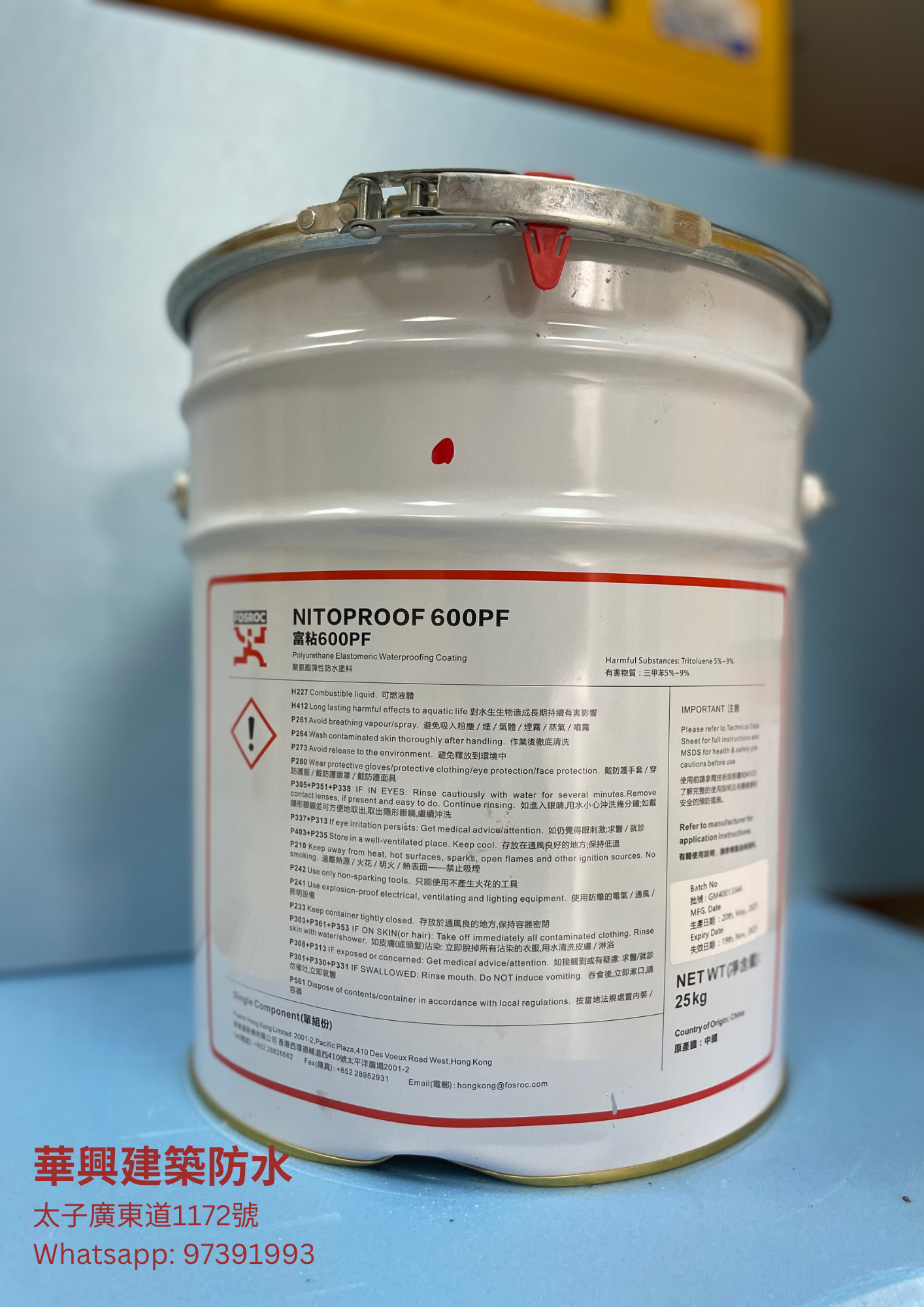
Fosroc Polyurethane Coating: Uses, Benefits and Application Considerations
Polyurethane coatings are used to protect concrete and other suitable surfaces from wear, moisture, chemicals and weathering. Fosroc offers construction and protection systems for a range of applications, and the right polyurethane coating depends on the substrate, site conditions and performance requirements. Always check the current product data sheet for the specific Fosroc product being considered.
What is a polyurethane coating?
A polyurethane coating is a protective layer formed from polyurethane-based materials. Depending on its formulation, it may provide a hard-wearing finish, flexibility, resistance to abrasion or protection against exposure to water and selected chemicals. Some systems are designed for indoor use, while others are intended for exterior exposure or particular industrial environments.
Where can it be used?
Subject to the product specification and project requirements, polyurethane coatings may be considered for areas such as:
- Industrial floors exposed to regular foot or light vehicle traffic
- Car parks, service areas and other concrete surfaces
- Protective applications where resistance to abrasion or weathering is required
- Selected roofs, balconies or external surfaces as part of a specified coating system
Not every polyurethane coating is suitable for every application. Factors such as standing water, UV exposure, chemical contact, movement in the substrate and traffic levels can affect product selection and system design.
Potential benefits
Depending on the formulation and installation, a polyurethane coating may offer:
- A protective finish that can help reduce surface wear
- Resistance to moisture and selected chemicals
- Flexibility to accommodate limited movement in some applications
- A smooth, cleanable surface in suitable environments
- Colour and finish options specified for the project
These properties vary by product. They should not be assumed without checking the relevant Fosroc technical documentation.
Surface preparation and application
Successful coating performance depends greatly on preparation and application. The surface generally needs to be sound, clean and free from dust, oil, curing compounds, loose material and other contaminants. Concrete may require mechanical preparation to achieve the surface profile specified for the coating system. Any cracks, joints or damaged areas should be assessed and treated using compatible materials.
Application conditions matter too. Substrate moisture, ambient temperature, humidity, ventilation and the time between coats can affect curing and adhesion. Follow the product data sheet for mixing, coverage, pot life, application method, re-coating intervals and curing times. Avoid applying the coating when site conditions fall outside the stated limits.
Choosing the right Fosroc system
Before selecting a coating, identify the surface material, expected traffic, exposure conditions, required finish and maintenance needs. A Fosroc representative or qualified applicator can help assess whether a polyurethane coating is suitable and whether a primer, repair mortar or additional layer is required. For larger or critical projects, a trial area can help confirm appearance, adhesion and application method.
Safety and maintenance
Read the product safety information before use. Applicators should use the recommended personal protective equipment and provide suitable ventilation, particularly in enclosed spaces. Store and handle materials as directed, and prevent uncured product from entering drains or waterways.
After installation, inspect the coated surface periodically for wear, damage or loss of adhesion. Clean it using methods compatible with the coating, and repair local damage promptly to help maintain the protective system.
Conclusion
A Fosroc polyurethane coating may be a suitable option where a project needs a durable protective finish, but performance depends on choosing the correct product and applying it to a properly prepared surface. Consult the latest Fosroc product data sheet and obtain project-specific technical advice before specifying or installing a coating.
Fosroc Polyurethane Coating: 7 FAQs on Uses, Surfaces, Benefits, Preparation, Application, Curing and Maintenance
- What is Fosroc polyurethane coating used for?
- Which surfaces can Fosroc polyurethane coating be applied to?
- What are the key benefits of Fosroc polyurethane coating?
- How should a surface be prepared before applying Fosroc polyurethane coating?
- How many coats of Fosroc polyurethane coating are required?
- How long does Fosroc polyurethane coating take to dry and cure?
- How should Fosroc polyurethane coating be maintained after application?
What is Fosroc polyurethane coating used for?
Fosroc polyurethane coatings are used to protect suitable surfaces, such as concrete floors, roofs and other building areas, from wear, moisture, weathering and selected chemicals. The exact applications and level of protection depend on the specific product and site conditions, so check the relevant Fosroc product data sheet before choosing a coating.
Which surfaces can Fosroc polyurethane coating be applied to?
Fosroc polyurethane coatings can be applied to suitable, properly prepared surfaces such as concrete and, depending on the specific product, certain metal or other substrates. The surface must be sound, clean and free from dust, oil, loose material and other contaminants; primers or additional preparation may be required. As suitability varies across Fosroc products and applications, check the relevant product data sheet or consult Fosroc for advice before applying the coating.
What are the key benefits of Fosroc polyurethane coating?
Fosroc polyurethane coatings can provide a durable protective finish that helps surfaces resist abrasion, moisture, weathering and selected chemicals. Depending on the product and application, they may also offer flexibility, good adhesion and an easy-to-clean surface, making them suitable for various construction and industrial settings. Benefits vary by product, so check the relevant Fosroc product data sheet to confirm its properties and suitability for your project.
How should a surface be prepared before applying Fosroc polyurethane coating?
Before applying a Fosroc polyurethane coating, ensure the surface is sound, dry and free from dust, oil, grease, curing compounds, loose material and other contaminants. Concrete may need mechanical preparation, such as grinding or shot blasting, to achieve the surface profile specified in the product data sheet. Repair cracks, voids and damaged areas with compatible materials, and make sure the surface moisture and site conditions are within the product’s recommended limits. Follow the latest Fosroc instructions for any primer, preparation method and application requirements, as these can vary by product and substrate.
How many coats of Fosroc polyurethane coating are required?
The number of coats required depends on the specific Fosroc polyurethane product, the surface condition and the protective performance required. Some systems may call for a primer followed by two coats, while others have different application requirements. Check the latest product data sheet for the specified coat count, coverage and re-coating interval, and follow it to achieve the required film thickness and performance.
How long does Fosroc polyurethane coating take to dry and cure?
The drying and curing time for a Fosroc polyurethane coating varies by product, coat thickness, temperature, humidity and ventilation. A surface may be touch-dry before it is ready for foot traffic, vehicle traffic or chemical exposure, so these stages should not be treated as the same. Check the latest product data sheet for the specific coating and site conditions, and allow the stated full-curing time before putting the surface into service.
How should Fosroc polyurethane coating be maintained after application?
After application, maintain a Fosroc polyurethane coating by inspecting it regularly for wear, cracks, peeling or other damage, and repairing affected areas promptly using compatible materials. Clean the surface with methods and cleaning agents approved for the specific product, avoiding abrasive tools or chemicals that could damage the finish. Follow the relevant Fosroc product data sheet for maintenance guidance, and seek technical advice if the coating is exposed to heavy traffic, chemicals or unusual conditions.