
Aliphatic Polyurethane: Properties, Uses and Key Considerations
Aliphatic polyurethane is a family of polyurethane materials valued for their resistance to sunlight, colour stability and weathering performance. It is used in applications where a finish or component must retain its appearance and performance outdoors or under exposure to ultraviolet (UV) light.
What is aliphatic polyurethane?
Polyurethanes are produced by reacting compounds containing hydroxyl groups, such as polyols, with isocyanates. In aliphatic polyurethane, the isocyanate component is based on an aliphatic or cycloaliphatic structure. Common examples include hexamethylene diisocyanate (HDI), isophorone diisocyanate (IPDI) and hydrogenated MDI (H12MDI).
The choice of raw materials and formulation determines the final material’s hardness, flexibility, chemical resistance and other properties. As a result, “aliphatic polyurethane” does not refer to one single product: it can describe coatings, elastomers, adhesives, sealants and other polyurethane systems.
Why choose an aliphatic polyurethane?
A major advantage is its generally better resistance to UV-related yellowing and colour change than that of many aromatic polyurethane systems. Aromatic polyurethanes can discolour when exposed to sunlight, while aliphatic systems are often selected when the original colour and appearance need to last. Their actual performance depends on the full formulation, application conditions and exposure environment.
Depending on the formulation, aliphatic polyurethane can also offer:
- Good resistance to outdoor weathering
- A durable, abrasion-resistant surface
- Flexibility combined with toughness
- Resistance to water and selected chemicals
- Good gloss and colour retention
Common applications
Aliphatic polyurethane is used across a range of industries. Typical applications include:
- Protective coatings: Topcoats for metalwork, equipment, flooring and infrastructure, where appearance and weather resistance are important.
- Automotive and transport: Coatings and finishes for vehicle components, commercial vehicles and transport equipment.
- Construction: Protective finishes for façades, floors and other surfaces exposed to the elements.
- Elastomers and sealants: Flexible components and joints that require durability, with properties tailored to the intended use.
- Adhesives: Bonding systems for applications where a polyurethane adhesive’s flexibility and toughness are useful.
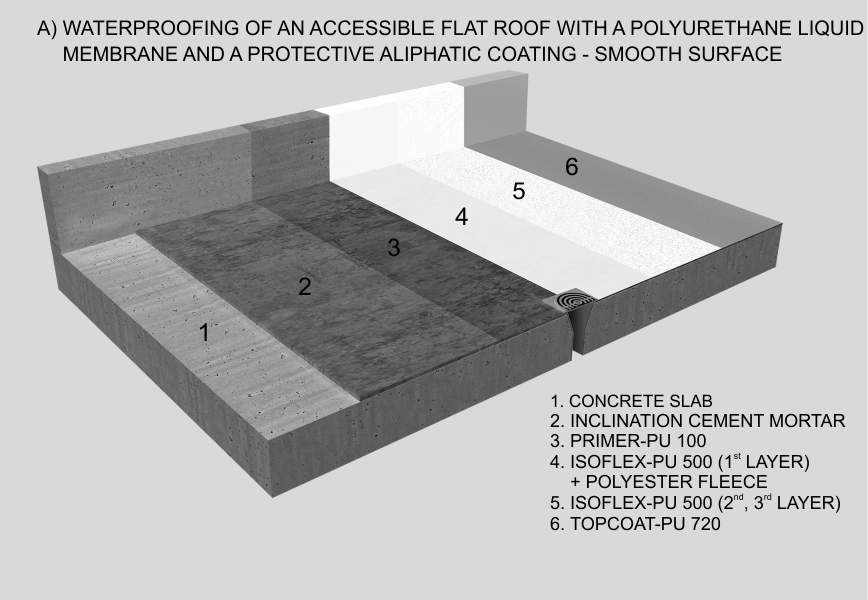
In many coating systems, an aliphatic polyurethane is used as the topcoat over a primer or intermediate layer. The complete coating system—not just the topcoat—must be selected to suit the substrate, environment and required service life.
Aliphatic and aromatic polyurethane compared
The distinction mainly relates to the structure of the isocyanate used. Aromatic polyurethane systems are widely used where cost, mechanical performance or specific processing characteristics are priorities. However, many aromatic systems are more prone to UV-induced yellowing. Aliphatic systems are commonly preferred for visible surfaces exposed to sunlight, although they may cost more and are not automatically the best choice for every application.
Selection and application considerations
When choosing an aliphatic polyurethane, consider the substrate, exposure to sunlight and moisture, expected chemical contact, temperature range, required finish and application method. Also check whether the product is a one-component or two-component system, as mixing, curing time and application requirements can differ.
Good surface preparation and correct application are essential. Moisture, contamination, incorrect mixing ratios or unsuitable curing conditions can affect adhesion and the final finish. Always follow the product’s technical data sheet and the supplier’s recommendations.
Safety and handling
Some polyurethane products contain reactive isocyanates, which can present health risks, particularly during handling or spray application. Use the safety measures specified in the product safety data sheet, including appropriate ventilation, protective equipment and training. Safe handling requirements vary by product and application.
Conclusion
Aliphatic polyurethane offers a useful combination of durability and colour stability, making it a popular choice for coatings and other products exposed to sunlight and weather. Selecting the right formulation—and applying it correctly—is key to achieving the required performance. For a specific project, compare product data and consider the conditions the material will face throughout its service life.
7 Essential Tips for Choosing and Applying Aliphatic Polyurethane
- Choose aliphatic polyurethane for better UV and colour stability outdoors.
- Match the coating grade to the surface and intended use.
- Prepare the surface well; remove dust, oil and loose material.
- Follow the specified mixing ratio and pot life.
- Apply within the recommended temperature and humidity range.
- Use suitable gloves, eye protection and ventilation during application.
- Allow the full curing time before heavy use or exposure to water.
Choose aliphatic polyurethane for better UV and colour stability outdoors.
For outdoor applications exposed to sunlight, choose an aliphatic polyurethane to help maintain colour and appearance over time. Compared with many aromatic polyurethane systems, aliphatic formulations generally offer better resistance to UV-related yellowing and colour change. Performance varies by product and exposure conditions, so check the technical data sheet to ensure the coating is suitable for your application.
Match the coating grade to the surface and intended use.
Choose an aliphatic polyurethane coating grade that suits both the surface and its intended use. Consider the substrate, such as metal, concrete or wood, along with the expected exposure to sunlight, moisture, chemicals and abrasion. The right grade can help ensure good adhesion, durability and appearance, while following the manufacturer’s surface preparation and application instructions supports reliable performance.
Prepare the surface well; remove dust, oil and loose material.
Proper surface preparation is essential for aliphatic polyurethane to adhere well and perform as intended. Before application, remove all dust, oil, grease and other contaminants, and scrape or sand away any loose or flaking material. Ensure the surface is clean and dry, following the product manufacturer’s instructions for the substrate and preparation method.
Follow the specified mixing ratio and pot life.
Follow the manufacturer’s specified mixing ratio carefully to ensure the aliphatic polyurethane cures and performs as intended. Mix only the quantity that can be applied within the stated pot life, as the product may thicken or become unusable once this period has passed. Do not add extra thinner or hardener unless the product instructions specifically allow it, and observe the recommended temperature and application conditions.
Apply within the recommended temperature and humidity range.
Apply aliphatic polyurethane within the temperature and humidity range specified in the product’s technical data sheet. Conditions that are too hot, cold or humid can affect application, adhesion and curing, and may lead to surface defects or reduced performance. Check site conditions before starting, and follow the manufacturer’s guidance for the substrate and application method.
Use suitable gloves, eye protection and ventilation during application.
During the application of aliphatic polyurethane, use suitable chemical-resistant gloves and eye protection to help prevent skin and eye contact. Ensure the work area is well ventilated, especially when applying products by spray, and follow the product label and safety data sheet for specific precautions.
Allow the full curing time before heavy use or exposure to water.
Allow aliphatic polyurethane to cure fully before putting the surface or component to heavy use or exposing it to water. Although it may feel dry to the touch, the material can need additional time to develop its intended strength, durability and resistance. Follow the manufacturer’s instructions for curing time, and allow for temperature and humidity conditions, which can affect the process.